
Last updated October 15, 2026
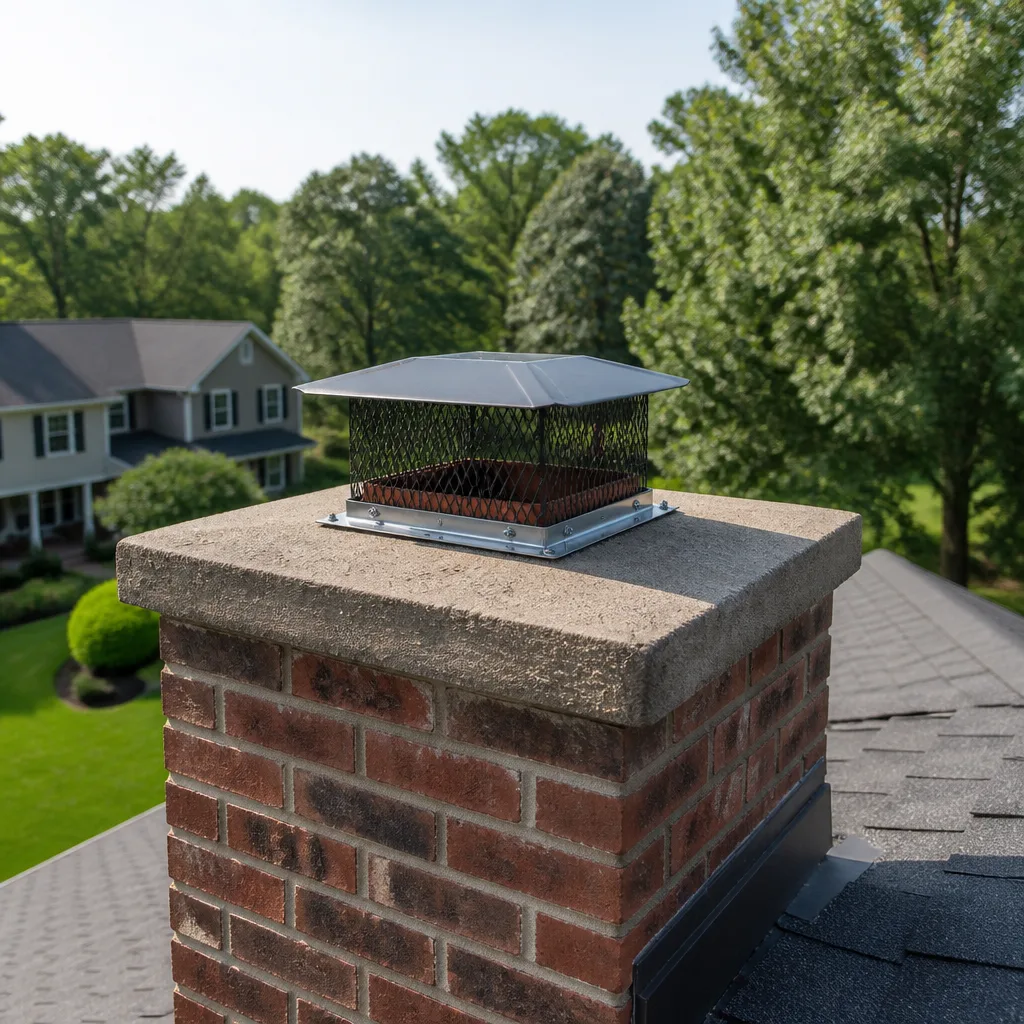 Sweep & inspection
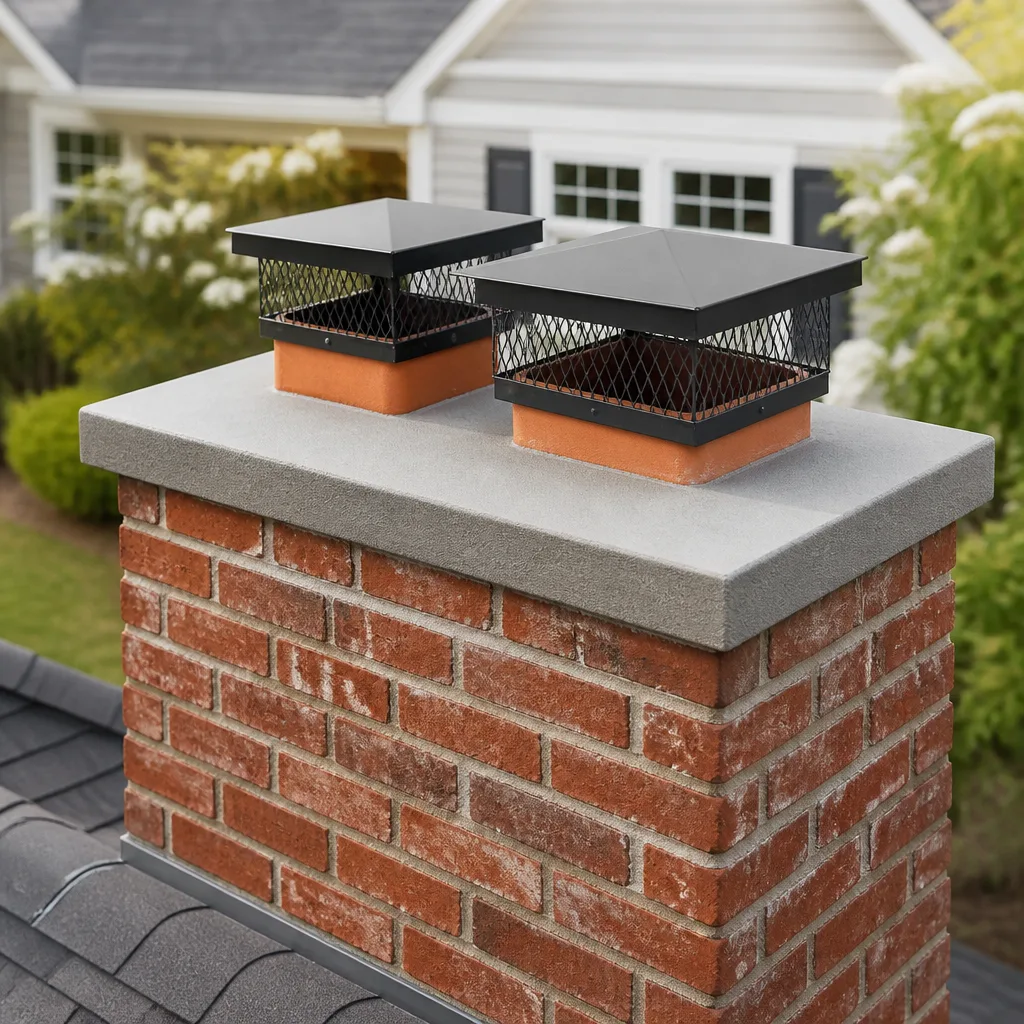 Caps & crowns
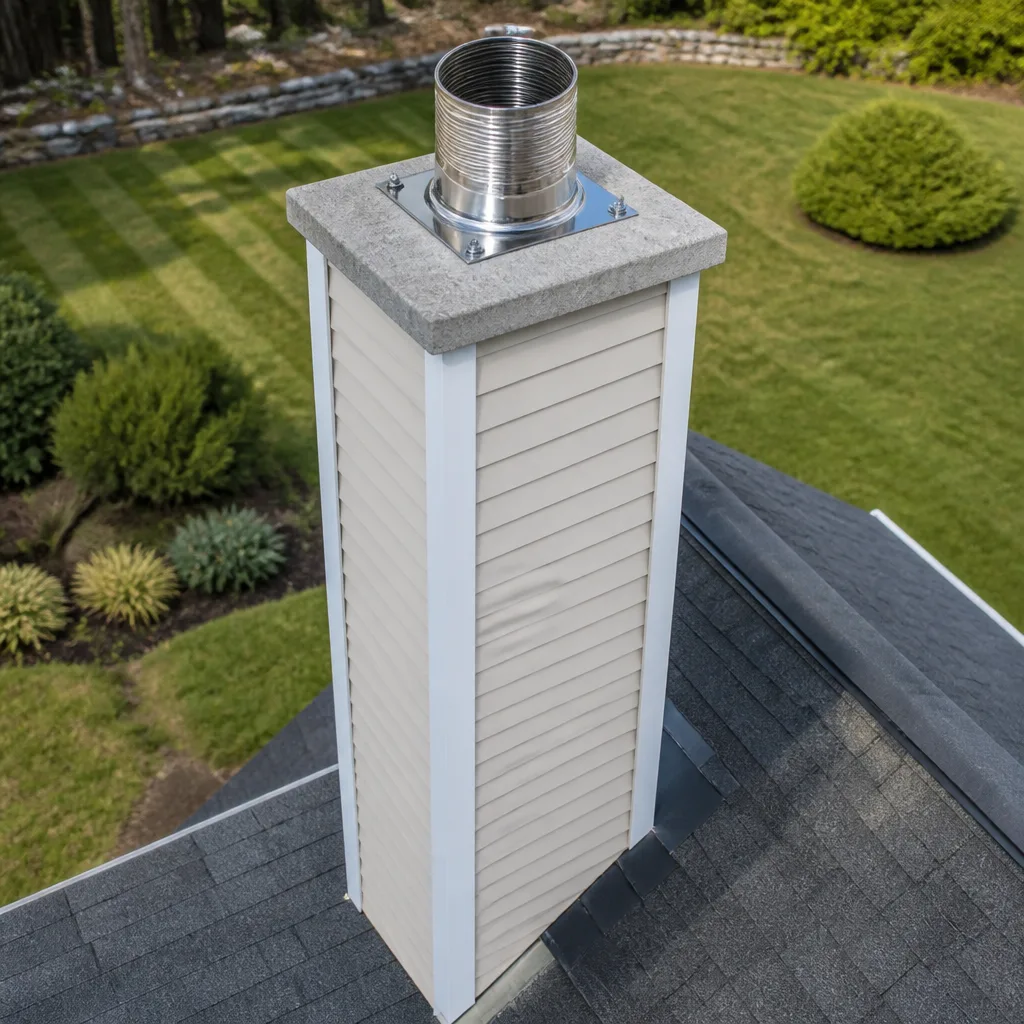 Flue relining
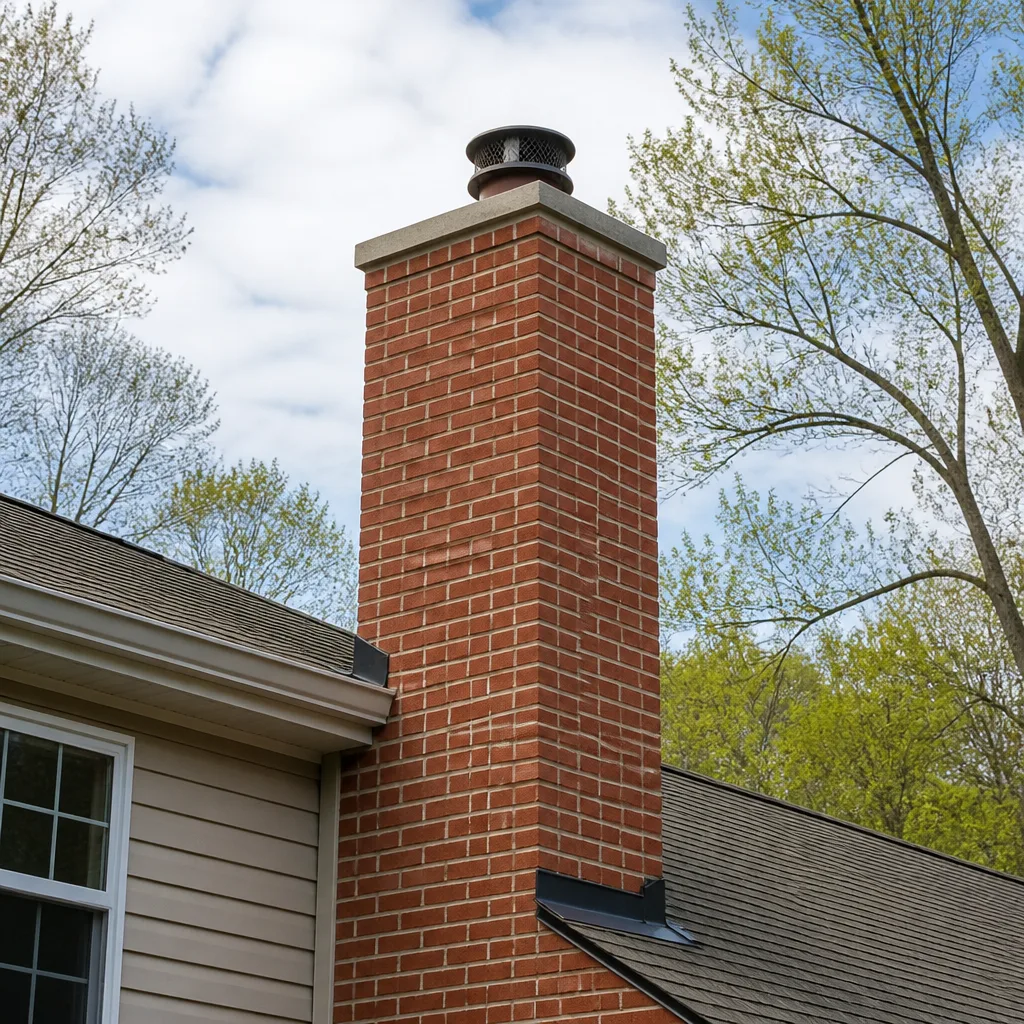 Masonry repair
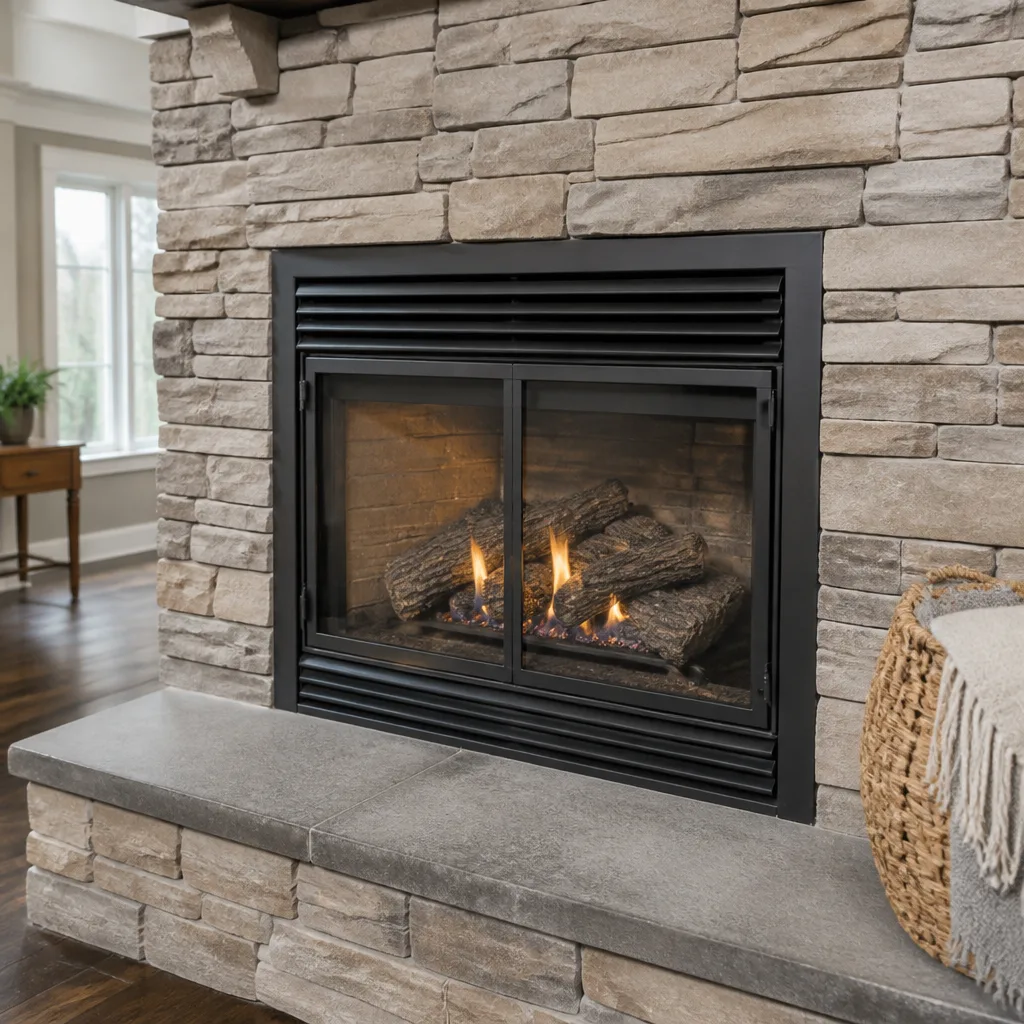 Gas fireplace service
Level 1 sweep and inspection to the NFPA 211 annual standard - flue, crown, cap, and flashing checked and photographed
Chimney sweep logs do not sweep chimneys. They loosen some creosote - which then falls where a brush and vacuum still have to collect it.
Chimney Cleaning Warning Signs: A Alpharetta Homeowner’s Reference Guide
Most chimney warning sign guides show you the aftermath: the scorched flue, the smoke-filled living room, the fire department in the driveway. This guide is different because the signs that matter in Alpharetta show up quietly, six to eighteen months before anything dramatic happens. A white stain on exterior brick. A smell that only appears on humid afternoons. A damper that doesn’t sit quite right. Homeowners in Milton, Crabapple, and Windward miss these signals every season, not because they’re careless, but because nobody ever told them what to look for. By the time you finish reading, you’ll know exactly where to look, what you’re seeing, and whether it’s a call-now issue or a watch-it-until-fall item. For more guides & resources, visit our blog.
Quick Answer
The most reliable chimney cleaning warning signs in Alpharetta are white mineral staining on exterior brick (efflorescence), a campfire-like or sharp acrid odor that appears when the air is humid, dark flaky buildup visible at the firebox, smoke entering the room during use, and a damper that sticks or sits open. Any one of these signals means creosote, moisture, or airflow problems have already begun, and a chimney sweep in Alpharetta typically resolves them for $189 to $349 depending on the extent. For a full breakdown of what to expect, see our Complete Guide to Chimney Cleaning in Alpharetta.
Styles & brands we work with
Table of Contents
- Efflorescence: The White Stain Nobody Takes Seriously
- The Odor Map: What Creosote Smells Like at Each Stage
- Draft Reversal: When Smoke Comes Back Into the Room
- Damper Diagnosis: Clean It or Replace It?
- Firebox Flakes and Soot: Reading What Falls Down
- The Exterior Tell: Spalling, Cracks, and Rust Streaks
- Take Action Now vs. Monitor: A Decision Table
- Common Mistakes to Avoid
- When to Call a Professional
Efflorescence: The White Stain Nobody Takes Seriously
Efflorescence is a white, chalky deposit that appears on exterior brick or stone. It looks like someone dusted your chimney with powdered sugar. Most Alpharetta homeowners assume it’s cosmetic, maybe even paint over it. Here’s the problem: efflorescence is physical evidence that water has been moving through your chimney structure long enough to dissolve salts from the mortar and carry them to the surface. The stain is not the issue. The water migration is.
In Alpharetta’s climate, with wet springs and humid summers, efflorescence typically shows up on chimneys where the crown (the concrete cap on top) has hairline cracks, or where flashing (the metal seal where the chimney meets the roof) has begun to pull away. Water enters through those cracks, soaks through the masonry, and evaporates on the surface, leaving the salt behind. Each cycle of wetting and drying widens the cracks slightly. What you’re seeing is a slow-motion structural problem.
Where to look
- Exterior brick above the roofline: White streaks or patches that reappear after rain.
- Interior brick around the firebox: White crust on the firebrick where the wall meets the fireplace opening.
- The crown itself: Hairline cracks visible from the ground with binoculars, or from a ladder if you’re comfortable with heights.
Take action now or monitor?
If the efflorescence covers more than a few bricks and reappears within a season of being cleaned off, call for a chimney inspection in Alpharetta. Water intrusion left alone leads to spalling (brick faces popping off), liner corrosion, and eventually structural repair costs that dwarf the price of resealing a crown. A standard chimney sweep typically runs $189 to $249 in Alpharetta, and during that visit a technician can confirm whether the crown or flashing is the water source. If the staining is faint and localized, note it and check again after the next heavy rain.
The Odor Map: What Creosote Smells Like at Each Stage
Creosote is the residue left behind when wood smoke condenses on the inside of your chimney. It’s not one substance; it’s a family of compounds that changes character as it accumulates. And it has a distinct odor profile at each stage. Understanding what you’re smelling tells you how urgent the situation is.
Stage 1 creosote: flaky, dusty, light brown or gray
This is the earliest stage, common after a season or two of use. It smells like a mild campfire, but only under specific conditions. In a dry Alpharetta summer, you may not smell it at all. When the humidity climbs above 70 percent, as it does regularly in July and August, the moisture activates the creosote and you’ll catch a faint smoky smell near the fireplace, especially on days when the AC is running and the house is closed up. This is normal aging, not an emergency. But it’s the cheapest possible time to sweep. A standard chimney sweep removes Stage 1 creosote in about 45 minutes, and the price range in Alpharetta is $189 to $249. If you’re weighing whether to tackle this yourself, our DIY vs Professional Chimney Cleaning guide covers what Alpharetta homeowners should know.
Stage 2 creosote: granular, tar-like, dark brown
At this stage the creosote has begun to fuse into a hardened, granular coating. The smell becomes more assertive: it reads as burnt wood mixed with something sharper, almost like asphalt on a hot day. You’ll notice it even on dry days, and it will intensify within an hour of rain when the air pressure drops and pushes air down the flue. Rainy-day odor is a reliable indicator of Stage 2 buildup. A sweep at this stage usually falls in the $249 to $349 range because it takes chemical treatment or rotary tools to break the glaze off the flue walls.
Stage 3 creosote: hard, shiny, tar-glazed
Stage 3 is the dangerous one. The creosote has baked into a hard, glossy coating that resembles black glass. The smell is acrid and chemical, like hot roofing tar or a burnt skillet left on the stove overnight. On a rainy day it can be strong enough to notice from the next room. Stage 3 creosote is not just a cleaning problem; it’s a fuel load. If a flue fire starts, this is what burns. Removal typically requires rotary cleaning or chemical treatment, sometimes both, and often costs more than a standard sweep. If this is what you’re smelling, do not use the fireplace until it’s inspected.
We’ve worked in hundreds of Alpharetta homes where the homeowner told us the smell “comes and goes.” That pattern, intermittent odor tied to humidity and rain, is textbook creosote activation. It rarely fixes itself.
Draft Reversal: When Smoke Comes Back Into the Room
A working chimney pulls smoke up and out. When smoke enters the room instead, professionals call it draft reversal, and Alpharetta homeowners describe it in two ways: a puff of smoke when the fire is first lit, or a steady trickle that gets worse as the fire builds. Both are telling you something specific.
What draft reversal indicates
- Flue blockage: Creosote, animal nesting, or debris has narrowed the flue so much that smoke can’t rise fast enough. A narrowed flue is also a chimney fire waiting for its ignition source.
- Pressure issues in the house: Modern Alpharetta homes are tighter than older ones. Bath fans, range hoods, and HVAC systems can create negative pressure that competes with the chimney for air. If you light a fire and the smoke hangs in the firebox or drifts into the room, try cracking a window near the fireplace. If that fixes it, the issue is house pressure, not the chimney itself.
- Cold flue on a cold start: A cold column of air sits in the chimney and blocks the upward flow until the flue warms. This is common on the first cold night of the season in Alpharetta. It’s usually transient, but if it happens every time, the flue may be oversized for the firebox, or there’s a downdraft issue at the cap.
- Damper malfunction: A damper that won’t stay fully open, or one that has warped, restricts the flue opening and pushes smoke into the room.
Occasional cold-start smoke is not a crisis. Smoke that recurs every burn, or smoke that appears even after the fire is established, points to blockage or a structural issue. That’s a job for a real inspection. Our team at Flint Chimney Co Alpharetta has seen draft reversal in every part of Alpharetta, from older brick chimneys near downtown to newer prefab units in Windward, and the cause is rarely guessed correctly without looking.
Damper Diagnosis: Clean It or Replace It?
The damper is the metal plate inside the throat of the chimney that opens and closes the flue. When it’s open, smoke exits. When it’s closed, it seals the chimney so heated air stays in the house. A damper that doesn’t work correctly is either an energy leak, a smoke problem, or both. Here’s how to tell the difference between a damper that needs cleaning and one that needs replacement.
Signs the damper needs cleaning
- It moves but with resistance: Soot and creosote have built up along the damper track or the hinge. The mechanism works, but it’s gummed up. A cleaning resolves it.
- It closes but you can see a thin gap of light: Debris is preventing a full seal. Cleaning out the seating surface usually fixes it.
- You hear gritty or scraping sounds when moving the lever: That’s soot particles being dragged across metal. Normal after a few seasons of use.
Signs the damper needs replacement
- The damper plate is warped or visibly corroded: Heat and moisture have distorted the metal. Once warped, it will never seal properly again.
- The lever is disconnected or spins freely: The linkage between the handle and the damper plate has failed. This is mechanical, not a cleaning issue.
- You can see daylight through the closed damper from the firebox, even after cleaning: The seating surface itself is deformed. A replacement damper, installed as part of a chimney repair, is the fix.
During a routine Chimney Sweep in Alpharetta, the technician will scrape the damper seating surfaces as part of the service. If they find warp or corrosion, they’ll show you before recommending replacement, and the written price comes before any work begins.
Firebox Flakes and Soot: Reading What Falls Down
After a fire burns out and the chimney cools, gravity does something useful: it drops evidence into the firebox. Flakes of creosote, bits of mortar, and soot accumulate under the damper. What you find down there tells you what’s happening up inside the flue.
What the debris means
- Thin, papery black flakes: Stage 1 creosote shedding off the flue walls. This is the earliest visual warning and the cheapest to address. A standard sweep handles it.
- Shiny, hard black shards that crumble when pressed: Stage 2 or early Stage 3 creosote. Denser, more stubborn, and more flammable. Professional removal recommended without delay.
- Gray or tan grit, like coarse sand: This is mortar dust from deteriorating joints inside the flue or smoke chamber. It means the internal masonry is degrading, and the chimney needs more than a sweep. A Chimney Inspection in Alpharetta can scope the flue with a camera and identify exactly where the mortar is failing.
- Small pieces of terra cotta or metal flake: Terracotta indicates a cracked flue tile. Metal flake suggests a prefab chimney liner or metal damper component is corroding. Both are structural red flags.
Take action now or monitor?
Papery flakes mean schedule a sweep before burning season. Hard shards mean stop using the fireplace and call for service. Grit, terra cotta fragments, or metal flakes mean stop using it and get a professional assessment of the flue condition. In Alpharetta, the window between comfortable outdoor weather and the first indoor fire is short; waiting until November means competing with every other homeowner who discovered the same flakes in September.
The Exterior Tell: Spalling, Cracks, and Rust Streaks
The outside of your chimney is a health report you can read from the ground. Alpharetta’s freeze-thaw cycles in late winter and the heavy spring rains combine to stress exterior masonry in predictable ways. The damage shows up in three forms.
Spalling brick
Spalling is what happens when moisture inside bricks freezes, expands, and pops the brick face off. You’ll see shallow pits in the brick, broken brick faces on the ground below the chimney, or patches where the brick surface has simply flaked away. Spalling is never purely cosmetic; it means water is inside the masonry, and the structural integrity of the chimney is degrading. Left alone, a spalling chimney in Alpharetta will eventually require partial rebuild.
Vertical or stair-step cracks
Vertical cracks running up the chimney chase often indicate thermal stress or settlement. Stair-step cracks following the mortar joints suggest the chimney’s foundation or the firebox structure is moving. Both warrant a professional look. Small hairline cracks can sometimes be repointed; larger shifting needs structural assessment.
Rust streaks below the crown or flashing
Rust streaks mean water has found a path around metal and is carrying iron oxide down the brick. This usually points to failed flashing or a compromised chimney cap. The repair is generally straightforward, but it requires roof access. A Chimney Repair in Alpharetta with proper flashing replacement costs significantly less than the interior water damage that follows if it’s ignored.
Take action now or monitor?
Rust streaks: call now. Water is getting in and each storm makes it worse. Spalling: call now if more than a few brick faces are affected. Minor cracks: photograph them and compare month to month; if they’re growing, call.
Take Action Now vs. Monitor: A Decision Table
Here’s the shortest possible version of this guide, organized by urgency-think of it as your Chimney Sweep Maintenance Checklist for Alpharetta Homeowners. Print it or just remember the columns.
| Warning Sign | What It Means | Action |
|---|---|---|
| Faint campfire smell, humid days only | Stage 1 creosote | Schedule a sweep this season |
| White efflorescence, small area | Early water intrusion | Monitor after next rain; call if it spreads |
| White efflorescence, large or recurring | Active water migration | Call for inspection |
| Papery black flakes in firebox | Stage 1 creosote shedding | Schedule a sweep before next burn |
| Hard shiny shards in firebox | Stage 2-3 creosote | Stop using fireplace; call now |
| Smoke entering room on cold start | Cold flue or minor pressure issue | Try cracking a window; note the pattern |
| Smoke entering room every burn | Blockage or flue sizing problem | Stop using fireplace; call for inspection |
| Rust streaks on exterior | Failed flashing or cap | Call now |
| Grit or mortar dust in firebox | Deteriorating internal mortar | Stop using fireplace; call now |
Common Mistakes to Avoid
- Painting over efflorescence. It hides the symptom for a season and lets water keep moving through the masonry. The stain comes back through the paint, and the underlying crack widens.
- Assuming a gas fireplace never needs a sweep. Alpharetta homes with vented gas logs still accumulate soot, debris, and sometimes bird nesting in the flue. Gas burns cleaner than wood, but the chimney still needs periodic inspection.
- Waiting until the first cold snap to schedule. November in Alpharetta is a scramble for chimney service. Booking in September or October means available scheduling and a chimney ready on day one.
- Ignoring a damper that sticks open. An open damper in August is an open hole in your building envelope, pulling conditioned air out and sending your HVAC bill up. It’s not just a fireplace problem.
- Using creosote-sweeping logs as a substitute for mechanical cleaning. These products can help loosen Stage 1 creosote, but they do not remove it. The loosened material still needs to be physically swept out. Relying on them alone leaves you with a flue full of loosened fuel.
- Judging chimney condition by the last time the previous owner said it was swept. Past maintenance schedules don’t tell you what’s in the flue today. If you bought the house in Alpharetta’s hot real estate market and haven’t had an inspection, get one before your first fire.
- Treating chimney odors as a homeowner problem you should solve with air freshener. The smell is data. Masking it means the creosote keeps accumulating, and the conversation shifts from a $189 sweep to a much larger repair.
When to Call a Professional
Any of the call-now items on the decision table justify a service call this week: hard shiny creosote shards, recurring smoke entering the room, rust streaks, mortar grit falling into the firebox, or large areas of efflorescence that reappear after cleaning. The common thread is that these are not self-correcting problems. They indicate conditions inside or around the flue that keep getting worse, and they don’t resolve with a season of disuse.
Flint Chimney Co Alpharetta offers free estimates in Alpharetta, and every job receives a written price before any work begins. Call (762) 600-1468 and a live person answers, day or night.
See the difference
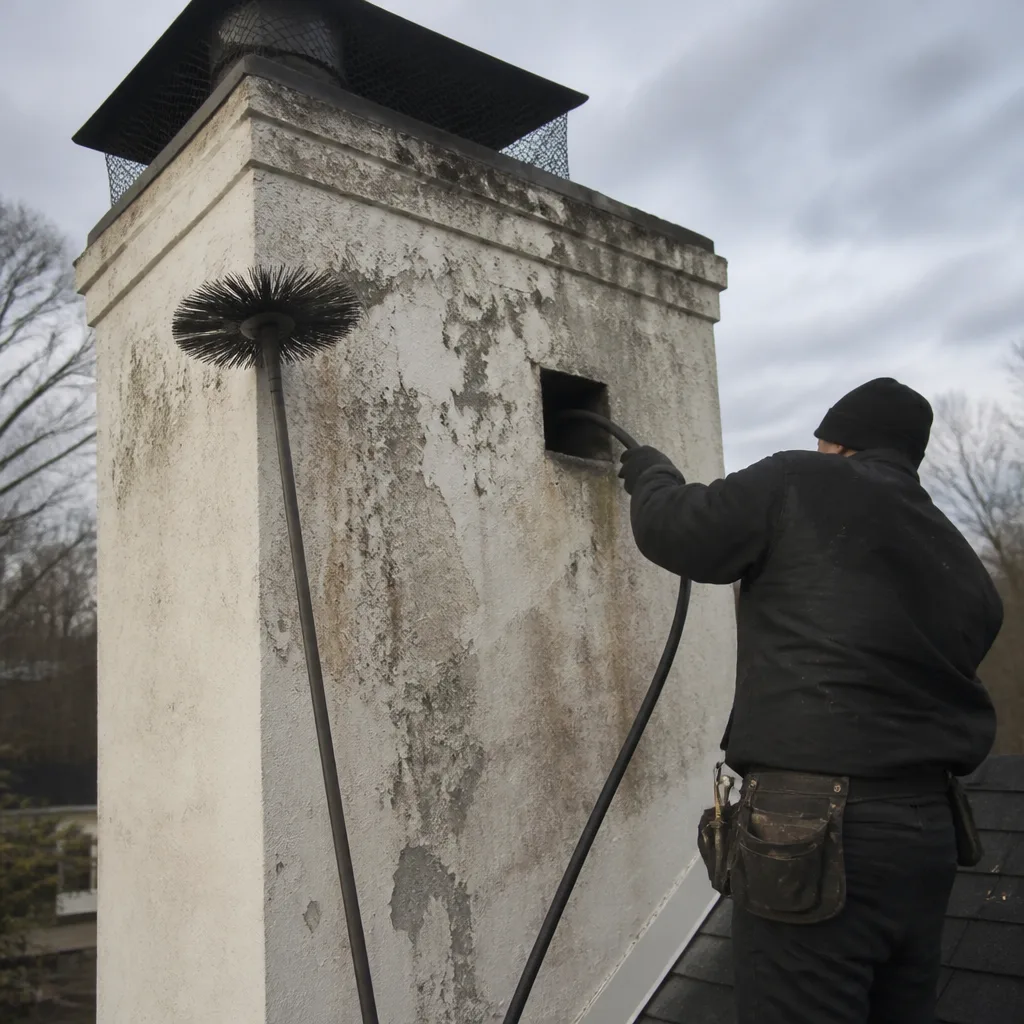 Before
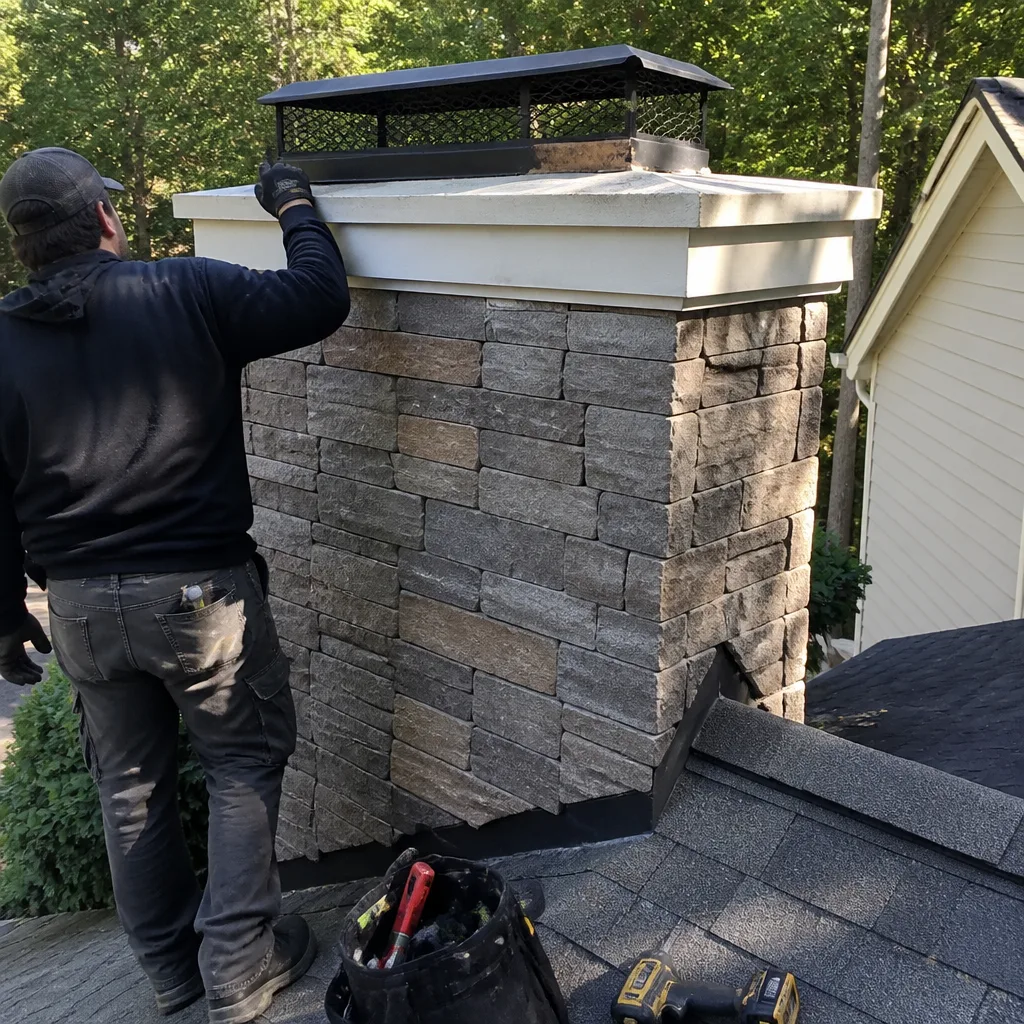 After
After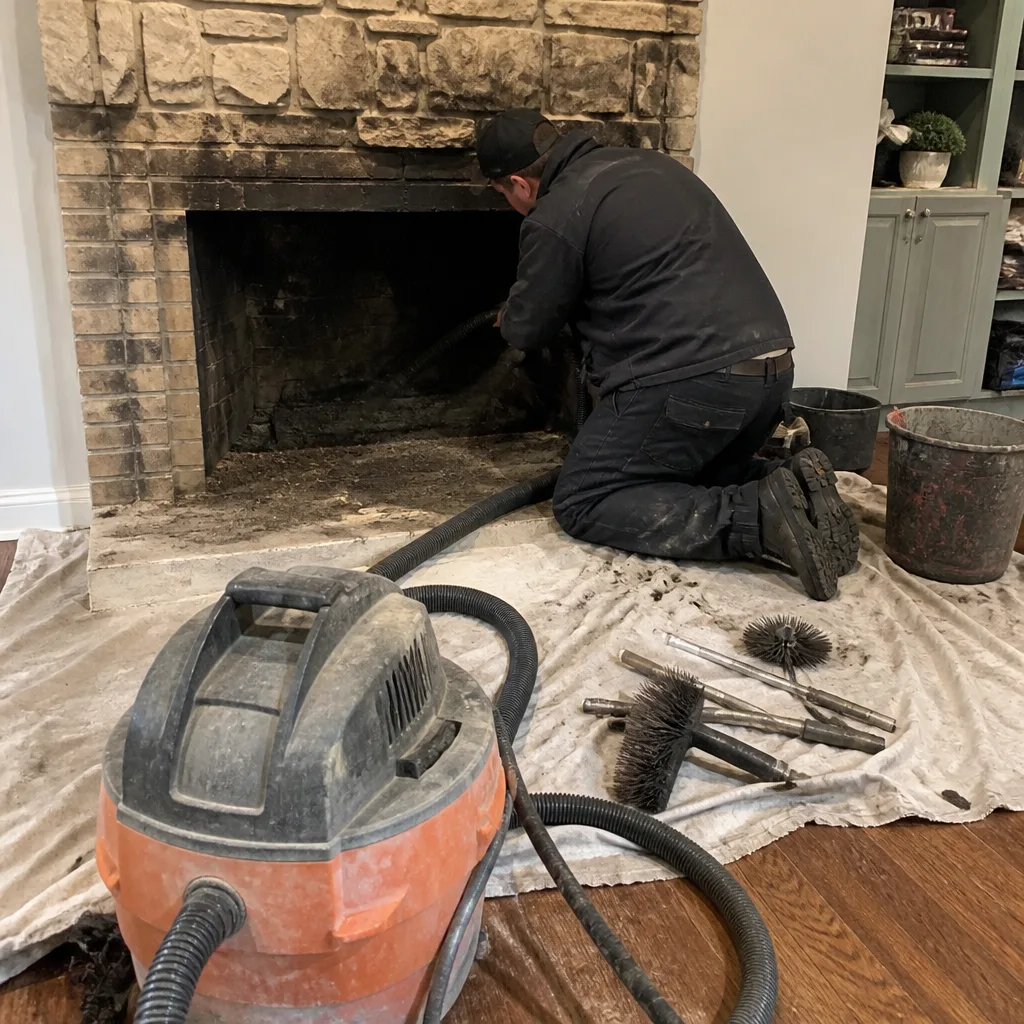 Before
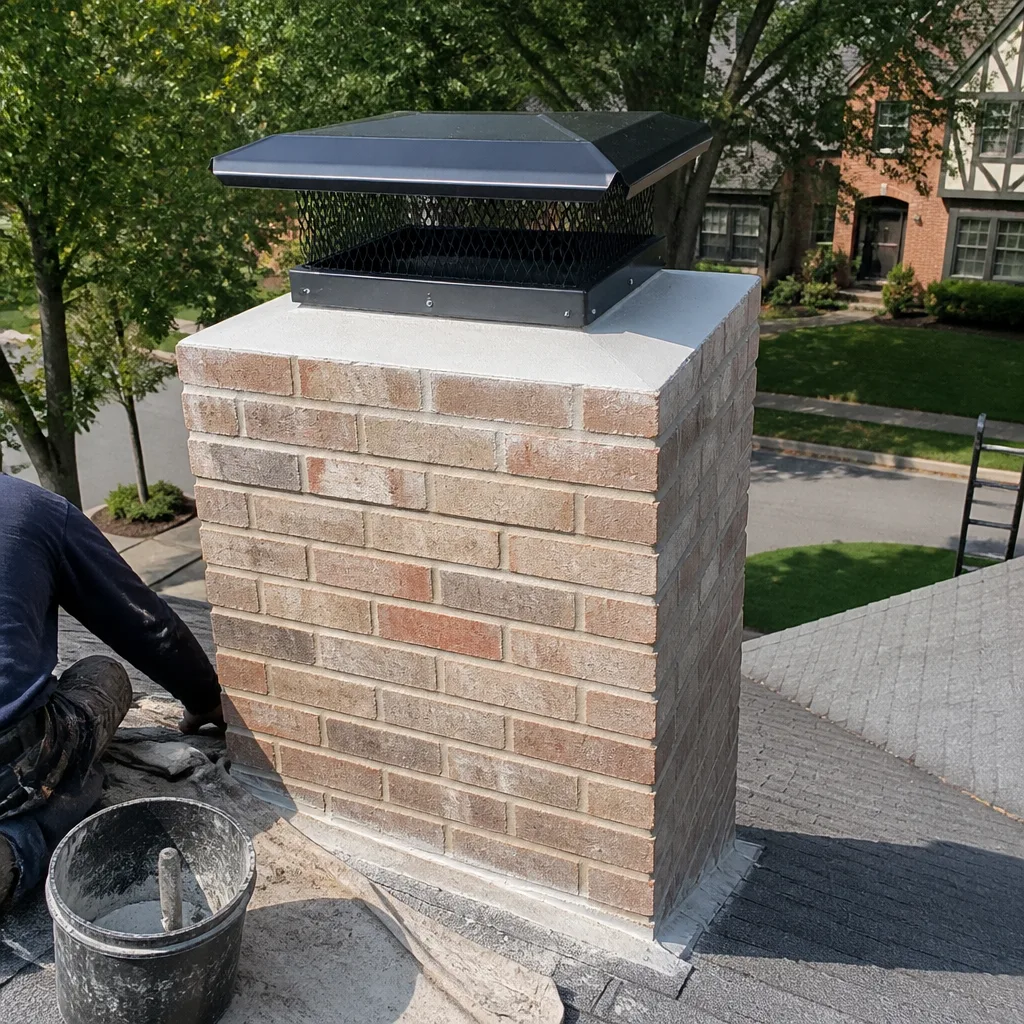 After
After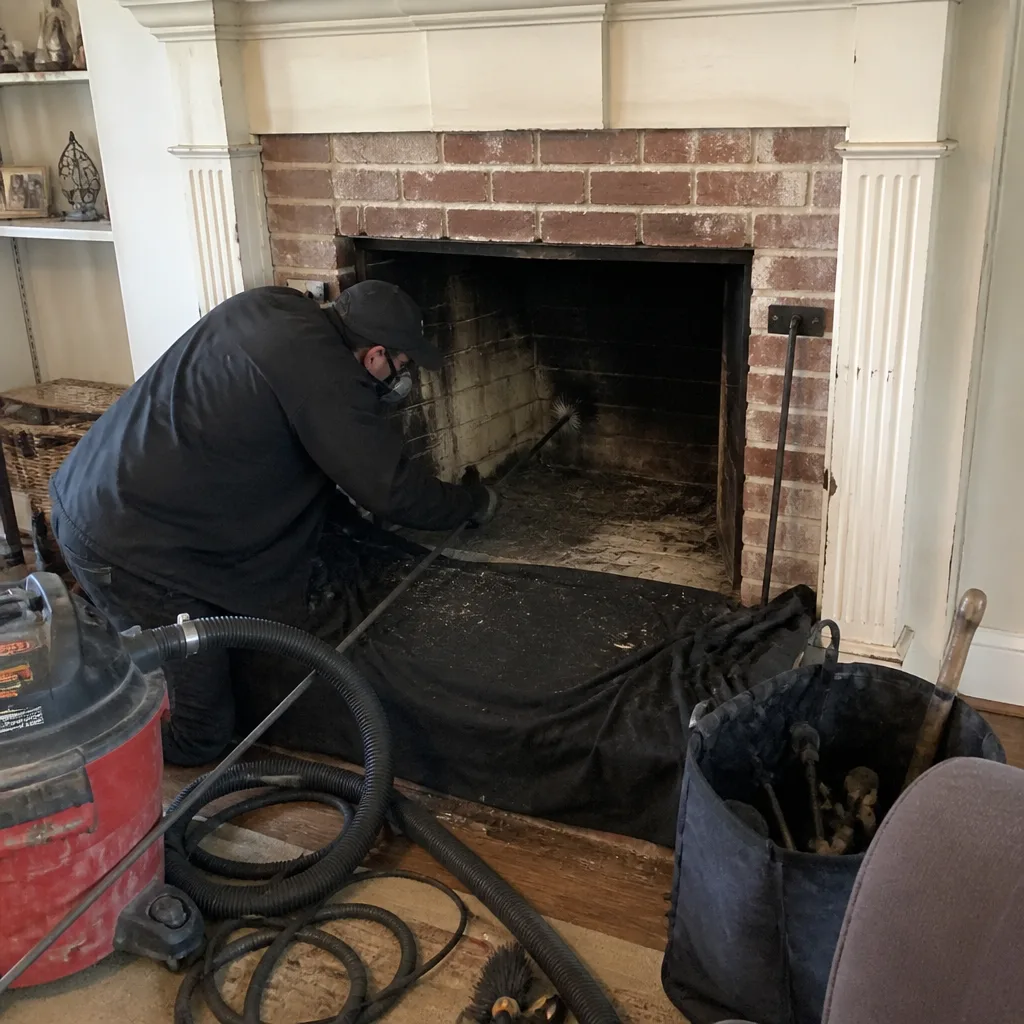 Before
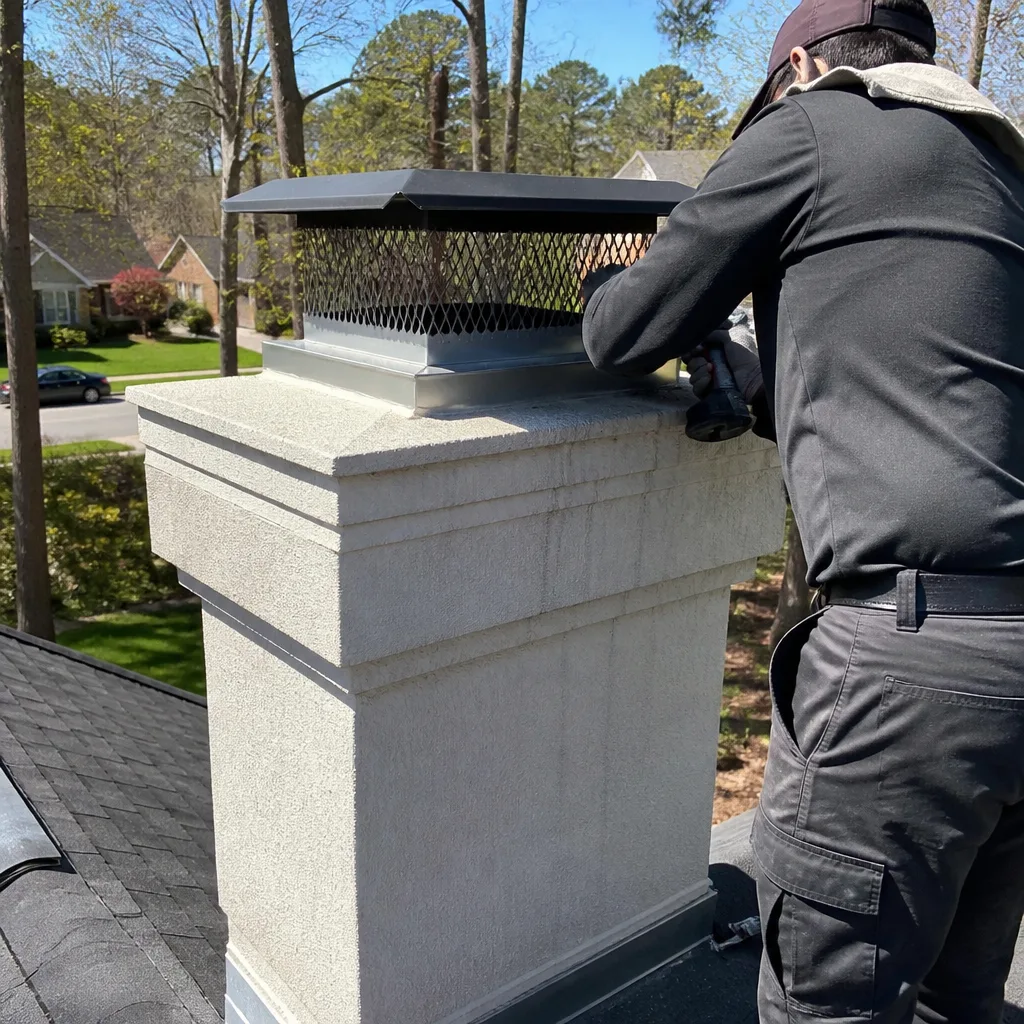 After
AfterFrequently Asked Questions
The most reliable indicator is a 1/8-inch or thicker layer of creosote buildup on the flue walls, which you can check by scraping the flue above the damper with a fireplace poker and measuring what comes off. Other signs that mean it’s time for a sweep include a strong campfire or tar-like smell from the fireplace on humid or rainy days, black flakes accumulating in the firebox, and smoke entering the room during use. If you see any of these, call (762) 600-1468 to schedule a sweep in Alpharetta.
A dirty chimney smells like a campfire that never fully went out, sometimes with an acrid, tar-like edge that gets sharper on humid or rainy days. The smell is creosote activating with moisture, and it means the flue has accumulated enough residue to require professional cleaning.
The National Fire Protection Association standard, which chimneysweeps in Alpharetta follow, is an annual inspection with cleaning performed when creosote reaches 1/8 inch of buildup. Wood-burning fireplaces used more than once a week through the season usually need a sweep every year. A standard chimney sweep in Alpharetta typically runs $189 to $249.
Creosote accumulates to a fuel load that can ignite into a chimney fire, which reaches temperatures high enough to crack flue tiles, melt metal liners, and spread to the house structure. Even without a fire, the narrowing flue degrades draft performance, pushing smoke and carbon monoxide into the living space. The risk is not theoretical; it compounds with every burn.
Sometimes. A fast-burning chimney fire can sound like a freight train and shoot flames from the chimney top. But slow-burning chimney fires happen quietly, heating the flue to damaging temperatures without visible drama. The damage shows up later as cracked flue tiles or warped metal, which is why annual inspection matters even if you’ve never seen flames.
Yes, though the frequency may be lower. Even occasional fires produce creosote, and an unused flue can collect animal nesting, leaves, and debris. A Chimney Inspection in Alpharetta confirms the condition before you light the first fire of the season, which is the cheapest way to catch problems before they interfere with the few burns you do have.
The Bottom Line
Your chimney talks constantly. The white stain on the brick, the smell that appears on humid days, the flakes in the firebox, the smoke that hesitates at the damper; every one of these is a piece of evidence. None of it requires panic. But all of it requires attention. The difference between a $209 sweep and a $4,000 repair is usually just time. The earlier you read the signs, the cheaper the solution. We’re at the other end of the phone.
Contact Flint Chimney Co Alpharetta
If any of the warning signs in this guide match what you’re seeing at your Alpharetta home, call (762) 600-1468 for a free estimate. A live person answers, every time. We provide written pricing before any work begins, and every repair carries our 365-Day Done Right Promise in writing.
Written by Hank Delano, Owner at Flint Chimney Co Alpharetta, serving Alpharetta since 2002.