
Last updated October 15, 2026
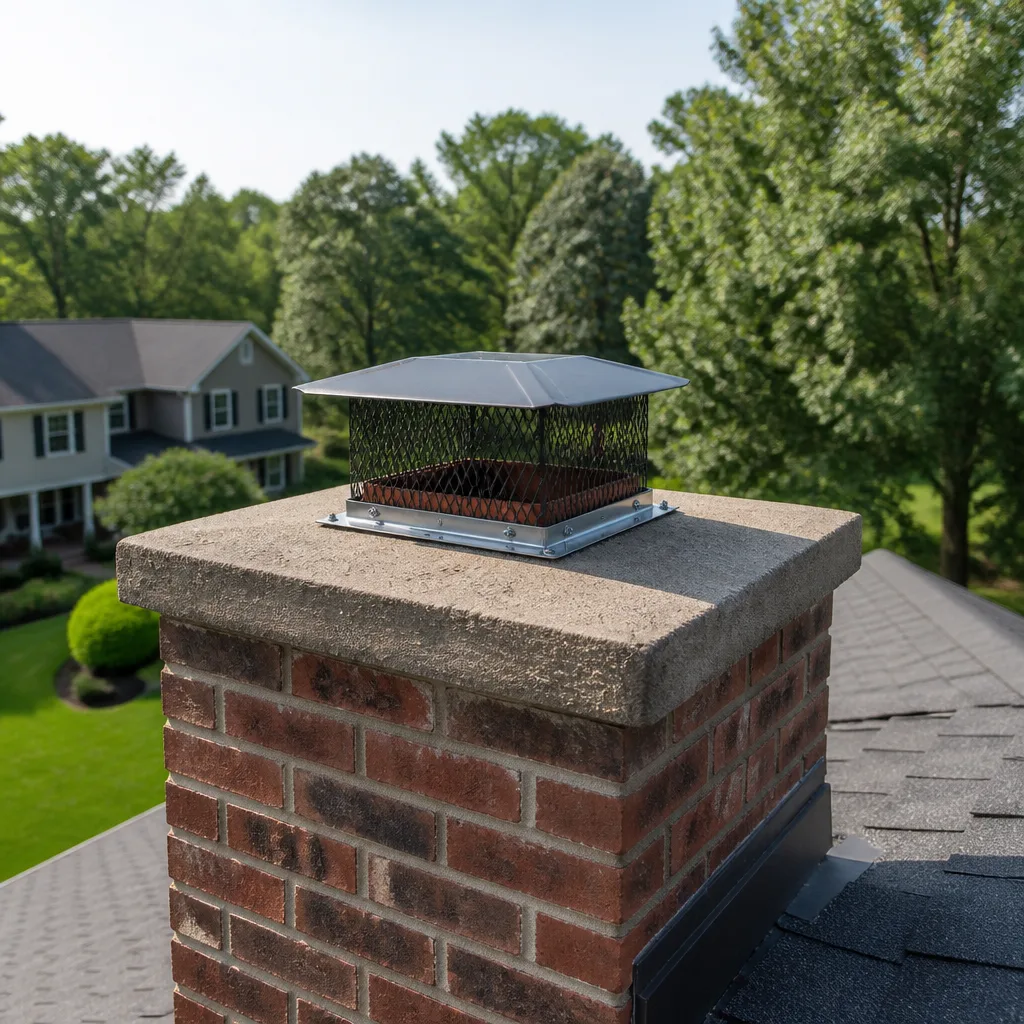 Sweep & inspection
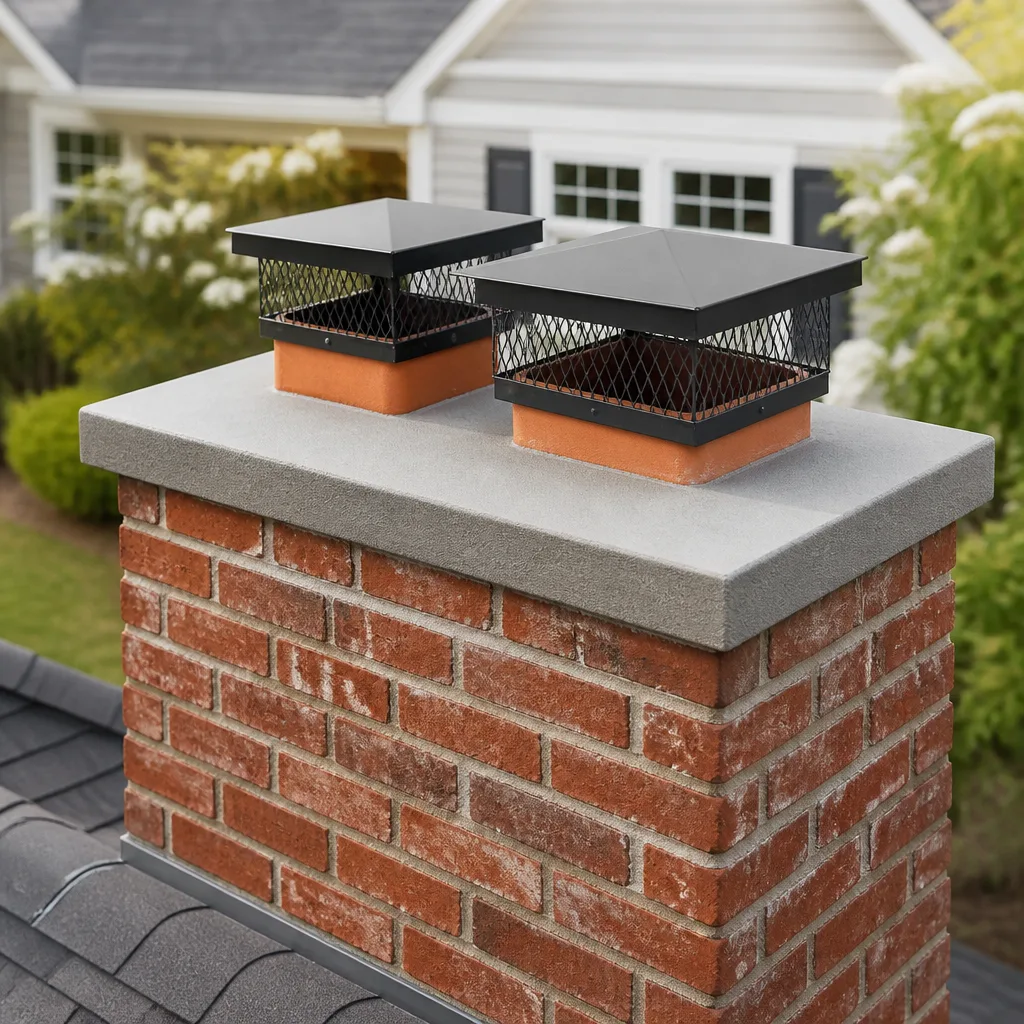 Caps & crowns
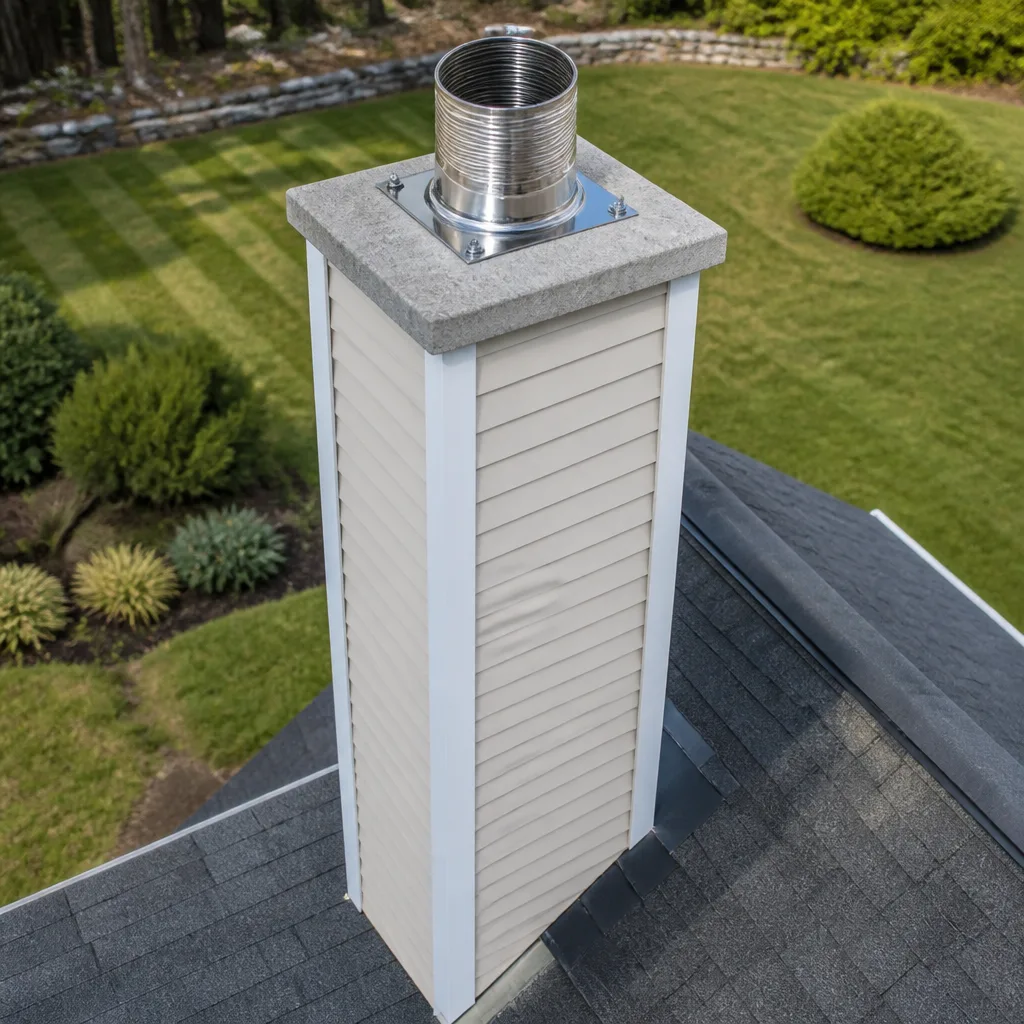 Flue relining
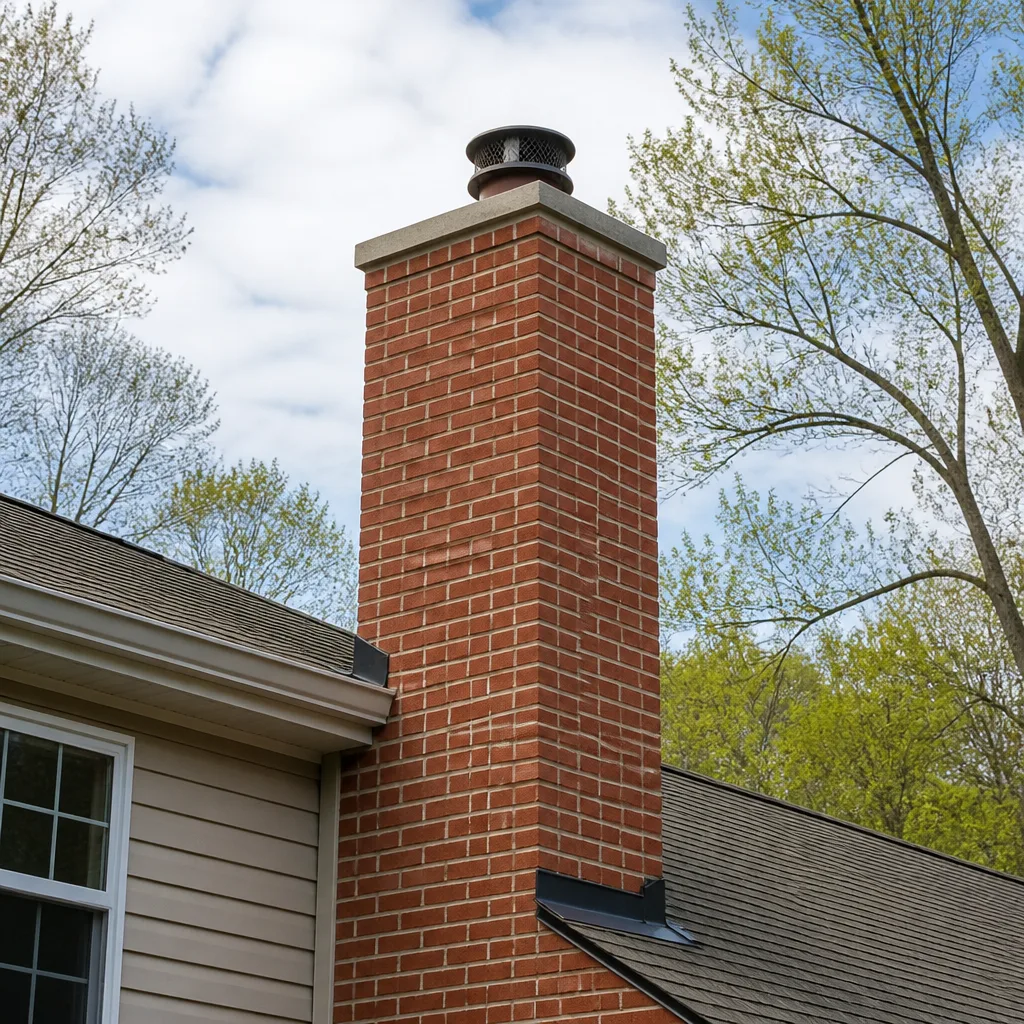 Masonry repair
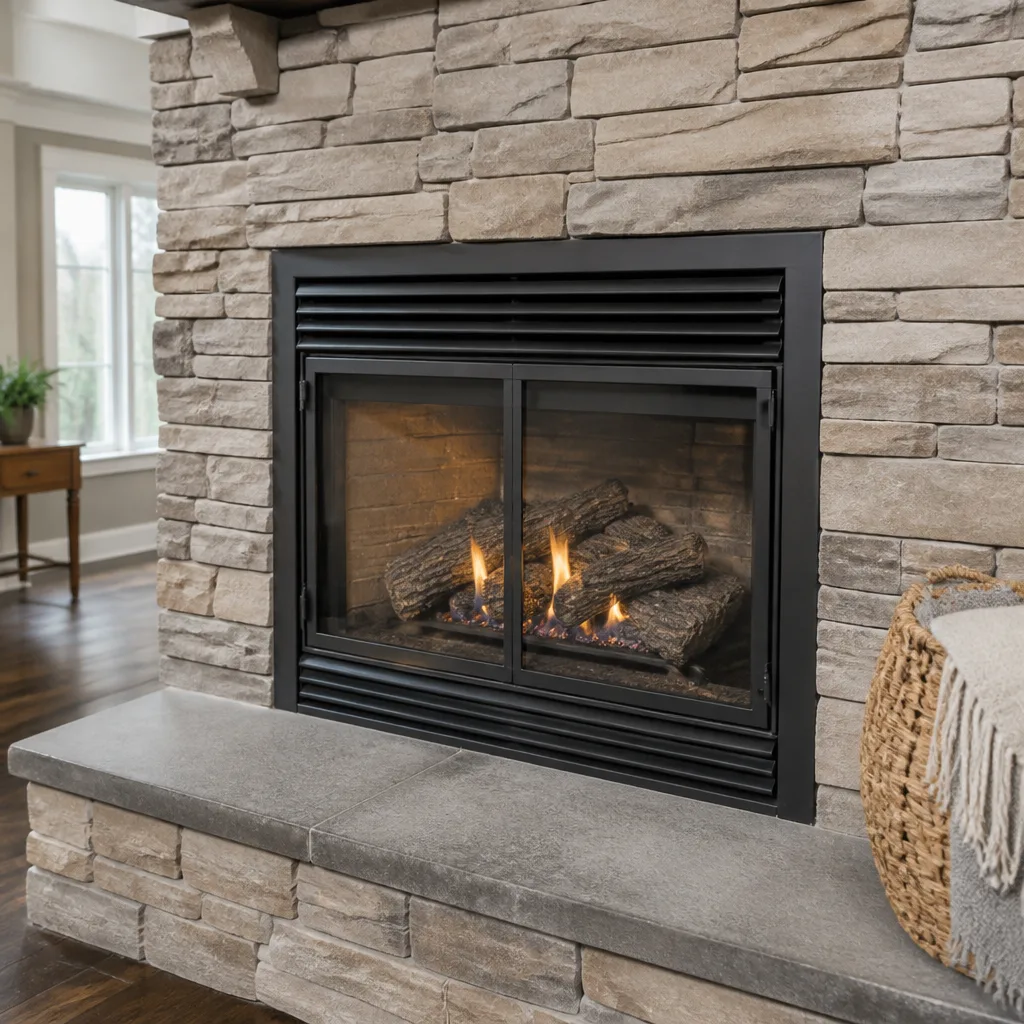 Gas fireplace service
Level 1 sweep and inspection to the NFPA 211 annual standard - flue, crown, cap, and flashing checked and photographed
Chimney sweep logs do not sweep chimneys. They loosen some creosote - which then falls where a brush and vacuum still have to collect it.
The Complete Guide to Chimney Cleaning in Alpharetta
The CSIA estimates that 25% of home heating fires involve chimneys that were “recently serviced.” Read that again. A cleaning happened, but apparently not the right one. That’s the quiet failure hiding in most chimney work across Alpharetta: a brush went up, a check got cashed, and the actual conditions inside the flue never got documented. This guide is built to change what you demand from a chimney cleaning. You’ll learn what a real sweep includes, what creosote actually looks like when it’s dangerous, what Alpharetta’s humidity and tree canopy do to your flue, and what should be in writing before anyone steps onto your roof.
Styles & brands we work with
Quick Answer
Chimney cleaning in Alpharetta, GA typically costs $189 to $329 for a standard sweep with a Level 1 inspection, and should include a written scope of work, a condition report on the flue liner, and a stated guarantee before the job starts. A proper cleaning removes creosote at all three stages. The right company puts the price, scope, and guarantee terms in writing on your invoice before any work begins.
Table of Contents
- The Difference Between a Sweep and a Level 1 Inspection
- Creosote Stages: What They Look Like and Why Stage 2 Changes Everything
- Why Alpharetta Chimneys Build Up Creosote Faster
- What a Written Pre-Job Scope Document Must Contain
- The Garrison Standard: Why a Written Guarantee Changes the Transaction
- What a Proper Chimney Cleaning Actually Involves: Step by Step
- What Chimney Cleaning Costs in Alpharetta
- Common Mistakes to Avoid
- When to Call a Professional
- Frequently Asked Questions
- The Bottom Line
Key Takeaways
- A Level 1 inspection is not a premium add-on. It’s the minimum standard for any sweep where the chimney’s condition hasn’t changed since the last service.
- Stage 2 creosote is where a standard brush job stops being sufficient. It changes scope, tools, and cost.
- Alpharetta’s humidity and dense tree canopy create faster creosote accumulation than drier, open-lot regions.
- The Garrison Standard means a documented, written guarantee on repairs, valid for one full year. If a covered repair fails, the return visit is free.
- Never accept a chimney cleaning where the price wasn’t written down before the work began.
The Difference Between a Sweep and a Level 1 Inspection
Most homeowners in Alpharetta use “sweep” and “inspection” interchangeably. They’re not the same thing. A sweep removes material: soot, creosote, debris, and sometimes a dead animal or nesting material. An inspection evaluates the chimney’s structural and functional condition. You can do one without the other, but you shouldn’t.
A basic sweep without an inspection is exactly the scenario the CSIA statistic points to. The brush goes up, the flue gets cleaner, and nobody looks at the cracked tile liner three feet above the damper. The homeowner gets a receipt that says “swept.” Six months later, heat escapes through that crack into the framing.
A Level 1 inspection, as defined by the National Fire Protection Association’s NFPA 211 standard, is the entry-level inspection performed during routine maintenance. It covers the readily accessible portions of the chimney interior and exterior. Specifically:
- Visual check of the flue liner from the top and bottom using a flashlight and mirror, or a basic camera where accessible.
- Confirmation that the chimney is free of obstructions and combustible deposits before and after the sweep.
- Basic appliance and connector inspection for the fireplace or stove attached to the chimney.
- Exterior check of the chimney structure: cap present, crown condition, brick and mortar condition visible from the ground or roof edge.
Here’s the plain translation: a Level 1 inspection confirms the chimney can do its job the way it’s currently set up. It is not an invasive inspection. It doesn’t require opening walls, removing drywall, or running a camera through every foot of the flue. But it does require the technician to actually look, not just sweep.
In Alpharetta, where many homes were built in the 1980s through the early 2000s, tile liners are common. Those liners crack with age and thermal cycling. A Level 1 inspection catches visible cracking at the top and bottom. A camera inspection, which is a step beyond, catches cracking in the middle third that a mirror can’t reach. Our Chimney Inspection in Alpharetta page goes deeper on when a Level 2 inspection is warranted.
The point: never pay for a sweep that doesn’t include at minimum a Level 1 inspection. It’s not an upsell. It’s the floor. If a company quotes you a sweep price without an inspection, ask what they’re actually not looking at.
Creosote Stages: What They Look Like and Why Stage 2 Changes Everything
Creosote is the condensed residue of wood smoke: unburned wood particles, tar droplets, and water vapor that coat the inside of the flue as the smoke cools on its way up. It forms in three recognizable stages, and each stage changes the cleaning method, the time required, and the price.
Stage 1 creosote is a fine, dusty, flaky soot. It brushes off easily with a standard wire brush. This is what most people picture when they think of chimney sweeping. A routine sweep handles Stage 1 without issue.
Stage 2 creosote is a different animal. It’s a shiny, tar-like glaze that forms when flue temperatures sit in the 250°F to 450°F range during frequent, low-intensity fires. It doesn’t flake. It hardens. A standard wire brush won’t remove it. It requires rotary cleaning heads, chemical treatments, or both. Stage 2 also changes the risk profile: this is the stage where creosote can ignite under the right conditions.
Stage 3 creosote is a hardened, glossy coating that looks like black glass. It’s concentrated fuel. At this stage, mechanical removal can damage the flue liner if not done carefully. Chemical removal followed by rotary cleaning is typical. Stage 3 also signals that the homeowner’s burning habits or the chimney’s draft need to change.
Here’s the part most guides skip: a company that quotes you $149 over the phone and then discovers Stage 2 has a choice to make. They either do the wrong job, leave the Stage 2 in place, and bill you anyway, or they stop and tell you the scope changed. The Garrison Standard exists for exactly this moment. Scope changes get documented. The price changes only when the work changes, and only with your written approval.
In Alpharetta, we see a lot of Stage 2 in fireplaces used occasionally during mild winters. Homeowners build small, damp fires to take the chill off a February evening. Those low-temperature fires produce exactly the conditions that cook creosote into a glaze. A fireplace that gets ten or fifteen small fires a season can accumulate Stage 2 faster than one that burns hot and steady.
Why Alpharetta Chimneys Build Up Creosote Faster
Alpharetta’s climate and geography do two things to a chimney that homeowners in drier, flatter regions don’t face as aggressively. Both affect how quickly creosote builds and how well a chimney drafts.
First, humidity. Metro Atlanta summers run 60% to 80% relative humidity as a baseline. That moisture gets into masonry. When fall arrives and you light a fire, the first several burns spend their heat driving that absorbed moisture out of the brick and mortar, not heating your living room. In the flue, that moisture mixes with smoke residue and accelerates creosote adhesion. Dry flues let creosote flake and fall. Damp flues let it stick and build. Alpharetta’s humid summers prep your chimney for faster accumulation each fall.
Second, tree canopy. Alpharetta is one of the more heavily treed suburbs in north Fulton County. The tree cover is part of what makes the city attractive, but it also means several things for your chimney. Lowered sun exposure means chimneys stay cooler and damper in winter. Overhanging branches drop leaves, twigs, and pollen onto the chimney crown. Leaves break down into acidic debris that sits on the crown and attacks the mortar. And significant canopy can interfere with draft, especially on still, windless days when smoke doesn’t have the air pressure differential to move efficiently.
There’s also a third factor specific to Alpharetta’s housing stock: the gas conversion trend. Over the past fifteen years, many Alpharetta homeowners in subdivisions built in the 1980s and 1990s have converted their wood-burning fireplaces to gas inserts or gas logs. This is a practical choice, and it changes the chimney’s needs. Gas logs produce less creosote, but they still produce byproducts. More importantly, when a wood flue is converted to vent a gas appliance, the old masonry flue often needs a proper liner system rated for gas exhaust. A sweeping company that doesn’t understand gas venting is not the company you want evaluating that conversion.
What does this mean for how often you should have your chimney cleaned in Alpharetta? The standard NFPA guidance is annual inspection, with cleaning when creosote accumulation reaches 1/8 inch or more. In Alpharetta’s climate, a wood-burning fireplace used regularly should be swept before the burn season, not after. The humidity cycle means you want the flue dry and clean before the first fire, not trying to burn off summer moisture while creosote feeds on it.
What a Written Pre-Job Scope Document Must Contain
This is the section your competitors don’t write. Most chimney guides tell you to “get a quote” or “hire a certified sweep.” Fine advice, but incomplete. A quote is a number. A scope document is a contract. Here’s what a written pre-job scope should contain before any tool comes off the truck:
- A specific price for the specified work. Not a range, not an estimate pending review. The exact dollar figure for the sweep and Level 1 inspection. If the technician finds Stage 2 creosote or a cracked liner, the scope changes � and any change gets its own written authorization with its own price before the new work begins. No surprises at the door.
- A description of the work to be performed. “Sweep flue, remove creosote, clean smoke chamber, remove debris from firebox, perform Level 1 inspection.” If those words aren’t written down, the technician can do less work and you have no written benchmark to object to.
- Flue liner condition notes. This is the document’s most important line. A legitimate scope document includes a section for the technician to note what the liner looks like at the time of service: cracking, spalling, joint separation, or “no visible defects from accessible vantage points.” If the company won’t put liner condition in writing, they’re not doing an inspection. They’re doing a brush pass.
- Guarantee terms. The warranty language should be on the document, not in a salesperson’s mouth. What’s covered, for how long, and what the homeowner gets if the repair fails. Flint Chimney Co Alpharetta puts the 365-Day Done Right Promise on every repair: written, valid for one full year, with a free return visit if a covered repair fails within that period.
- Materials to be used, where applicable. If the scope involves a repair component, the document should name the materials. Not “new liner,” but the specific brand and model. A company that writes “DuraFlex” or “Olympia Chimney” on the scope is committing to a specified product before the job starts. That’s how a professional operates.
- Technician identity. The name of the person who will do the work. Background-checked, uniformed, and accountable. You should know exactly who is walking through the door before they arrive.
That’s the transaction. Any company that resists putting those six items in writing is telling you something. It’s telling you they want to keep the details fluid so they can decide later what the job actually costs and what was actually done. Homeowners in Alpharetta have been burned by that model for decades. A written scope is the fix.
The Garrison Standard: Why a Written Guarantee Changes the Transaction
The Garrison Standard is the operating code for every Garrison Partners location, including Flint Chimney Co Alpharetta. In plain words, it’s a commitment to documented accountability. It says: the price is written before work starts, the scope is written before work starts, and the guarantee is written before work starts.
Why does that matter structurally? Because a verbal guarantee is not a guarantee. A verbal guarantee is a sentence that evaporates the moment a repair fails six months later. When a company says “we stand behind our work,” you have nothing to enforce. When a company writes “this repair is guaranteed for one full year, and if it fails within that period we return at no charge,” you have a contract.
The 365-Day Done Right Promise is the specific guarantee Flint Chimney Co Alpharetta puts on every repair. It is a written document included with the invoice. It states the repair, the date, and the coverage period: one full year. If a covered repair fails during that year, the return visit is free. No charge, no argument, no negotiation. This is the difference between a tradesperson who hopes the work holds and one who is willing to bet a return visit on it.
Here’s what that changes for you as a homeowner. When a chimney company operates under a written guarantee, several things follow automatically:
- The company is incentivized to do the repair correctly the first time. A callback is a real cost.
- The materials used matter to the company. A cheap liner that fails in eight months triggers a free return visit. A DuraFlex or Copperfield liner that lasts twenty years doesn’t. The guarantee naturally pushes toward better materials.
- The inspection is more honest. If a technician knows the company is on the hook for a year, they don’t gloss over a hairline crack. They document it.
That last point is the one most homeowners miss. A guarantee doesn’t just protect you after the repair. It disciplines the repair itself. It changes what the technician writes down at the time of service. That’s the structural difference between the Garrison Standard and a verbal “yes, we’ll take care of you.”
This discipline extends to how Flint approaches the three core services. A Chimney Sweep in Alpharetta includes the written scope and Level 1 inspection by default. A Chimney Repair in Alpharetta includes the written guarantee, every time. There’s no tier where you pay extra to get things in writing. The documentation is the baseline.
What a Proper Chimney Cleaning Actually Involves: Step by Step
When we train technicians at Flint Chimney Co Alpharetta, the process is standardized. Here’s what a disciplined chimney cleaning looks like from the first phone call to the moment the technician leaves your driveway:
- The call. You reach a live person, not a voicemail tree. Flint Chimney Co Alpharetta maintains live phone coverage 24 hours a day, seven days a week. You describe the fireplace or stove, how often you burn, and any issues you’ve noticed. The scheduler confirms the appointment window.
- The arrival. A background-checked, uniformed technician arrives at the scheduled time. You know who is at your door before you open it: name, company, and vehicle identification.
- The pre-job walkthrough. The technician looks at the fireplace, the chimney from the ground, and asks about burn history. This is when creosote staging gets an initial read. If there’s visible Stage 3 glaze or the homeowner describes symptoms like smoke backing into the room, the technician notes it.
- The written scope. Before any tools leave the truck, the technician writes the scope document. Price, work description, guarantee terms, and the material brands to be used if repairs are part of the job. You read it. You approve it. Then work begins.
- The interior prep. Drop cloths and floor protection go down. The firebox is sealed to contain dust. A high-powered vacuum with a HEPA filter stages near the opening to catch airborne particulate.
- The sweep. The flue is brushed from the top down or bottom up depending on the setup. Soot and creosote are pulled into the vacuum, not pushed into the room. The smoke chamber and damper assembly get attention. This is where a lot of companies cut corners. The smoke chamber collects more debris than most homeowners realize.
- The Level 1 inspection. With the flue clean, the technician inspects the liner, damper, smoke chamber, firebox, cap, crown, and exterior masonry from accessible points. Liners get a visual assessment. Any cracking, spalling, or joint separation goes in writing on the post-job report.
- The post-job report. You get documentation of what was done, what was found, and what the liner looks like. If repairs are recommended, they’re written down with specific pricing and the material brands specified. You’re never asked to make a repair decision at the door with a verbal pressure pitch.
- Cleanup and departure. Drop cloths come up. The firebox is clean. The area around the fireplace looks like it did before the technician arrived, minus the creosote.
Note what’s missing from that list: ambiguity, pressure, and surprise line items. Every step is defined, documented, and communicated.
What Chimney Cleaning Costs in Alpharetta
Chimney cleaning prices in Alpharetta typically fall between $189 and $329 for a standard sweep with a Level 1 inspection on a single-flue fireplace. That range varies based on the flue’s length, the creosote stage, and whether there’s a screened cap or spark arrestor that needs removal for access.
Here’s a realistic breakdown of what you should expect to see on a written quote in the Alpharetta market:
| Service | Typical Alpharetta Price Range | Notes |
|---|---|---|
| Standard sweep + Level 1 inspection | $189 – $329 | Single flue, Stage 1 creosote, cap accessible |
| Stage 2 creosote removal (add-on) | $75 – $150 | Rotary cleaning or chemical treatment required |
| Stage 3 creosote removal (add-on) | $150 – $300 | Hardened glaze; chemical soak + rotary work |
| Dryer vent cleaning (bundled) | $49 – $89 | Often bundled at a discount with a sweep |
| Chimney cap replacement | $150 – $400 | Stainless steel caps; depends on flue size and brand |
| Flue relining (repair, not cleaning) | $2,500 – $6,000+ | Full liner replacement; material brand matters |
Those numbers are Alpharetta-market ranges based on what we see across north Fulton and south Forsyth counties. A chimney in a 1990s subdivision home off Windward Parkway will price differently than a newer build on a larger lot, but the labor range doesn’t swing wildly. The variables are flue height, accessibility, creosote stage, and whether the cap or damper needs repair.
One more note on cost: the cheapest quote is rarely the cheapest outcome. If a company quotes $99 for a sweep and inspection in Alpharetta, they’re either not doing a real inspection, not paying for proper insurance, or planning to make up the difference with repair revenue once they’re on the roof. The written scope document is your protection against exactly that model.
Common Mistakes to Avoid
- Booking a sweep without an inspection. A brush pass and a bill is not a service. You need the Level 1 inspection to document liner condition. Without it, you’re paying for the appearance of maintenance rather than maintenance.
- Accepting a verbal quote as a final price. In Alpharetta, where the chimney trade has no shortage of independent operators, the “price changed when I got here” story is common enough to have a pattern. Written scope first. Always.
- Waiting until winter to schedule. Alpharetta’s spring and summer are ideal for chimney work. The flue is dry, access is easier, and you’re ahead of the fall rush. Homeowners who call in November wait longer and pay more.
- Ignoring Stage 2 gloss as “normal buildup.” That shiny, tar-like coating is not normal. It’s a fuel-rich deposit that changes the cleaning method and the risk profile. Pretending it’s Stage 1 leads to inadequate cleaning and a false sense of safety.
- Converting to gas logs without evaluating the flue. Gas conversions are popular across Alpharetta’s subdivisions, but the flue needs to be assessed for gas venting compatibility. An unlined masonry flue venting gas exhaust is a real durability problem inside the brickwork.
- Choosing a sweep based on price alone. The difference between a $99 sweep and a $250 sweep is inspection, documentation, insurance, and guarantee. The cheaper option isn’t cheaper if it misses a cracked liner.
- Not asking for the guarantee in writing. Every reputable Alpharetta chimney company should be able to state their guarantee terms in writing. If they can’t, walk.
When to Call a Professional
Chimney cleaning is not a DIY weekend project. The tools alone (rotary cleaning heads, HEPA vacuums, proper brushes sized to the flue) cost more than a professional sweep. More importantly, working on a roof in Alpharetta’s summer heat or winter rain is dangerous without proper training and fall protection. And creosote inhalation is a genuine respiratory irritant that demands proper containment.
Call a professional if you’ve never had the chimney inspected since buying the home, if you smell a campfire-like odor in the house during humid summer weeks, if you see black flakes falling into the firebox, if smoke backs into the room during fires, or if it’s simply been more than a year since the last cleaning. For help choosing the right company, see our How to Hire a Chimney Cleaning Contractor in Alpharetta: A Step-by-Step Guide. Flint Chimney Co Alpharetta offers free estimates in Alpharetta. Call (762) 600-1468 to schedule a sweep with a written scope and a real inspection.
Frequently Asked Questions
A standard chimney sweep with a Level 1 inspection in Alpharetta typically costs between $189 and $329, depending on flue height, creosote stage, and cap accessibility. Higher stages of creosote add $75 to $300. For an exact quote on your specific chimney, call (762) 600-1468. Estimates are free and the price is written before any work starts.
The NFPA standard is to inspect annually and clean when creosote reaches 1/8 inch or more. In Alpharetta’s humid climate, a wood-burning fireplace used regularly should be swept before burn season each year. For year-round maintenance tips, see our Seasonal Chimney Cleaning Care for Alpharetta: Year-Round Homeowner’s Guide. Fireplaces used only occasionally may go two seasons between cleanings if the inspection shows minimal accumulation, but the annual inspection should still happen.
A sweep removes creosote and debris from the flue. An inspection evaluates the chimney’s structural and functional condition, including the flue liner, damper, cap, and exterior masonry. A proper chimney cleaning includes both by default. A sweep without an inspection is incomplete service.
Only if the inspection shows cracking, spalling, joint separation, or improper sizing for the appliance. A legitimate Alpharetta chimney company should be able to show you the damage, either with photos or a camera feed. If a company recommends a liner replacement without visual evidence, get a second opinion. Nothing should be recommended without proof you can see.
The Garrison Standard is the operating code followed by Flint Chimney Co Alpharetta and every Garrison Partners location. It requires a written price before work starts, a written scope of work, and a written guarantee on every repair. The guarantee, called the 365-Day Done Right Promise, is valid for one full year and includes a free return visit if a covered repair fails within that period.
Yes, in one specific way. Alpharetta’s tree canopy and summer humidity create conditions that accelerate creosote adhesion compared to more open, drier areas like parts of Cobb or Cherokee County. The cleaning itself isn’t different, but the buildup pattern is. Chimneys in heavily treed Alpharetta neighborhoods often need more attention to crown cleanliness and draft than chimneys in open settings.
The Bottom Line
Chimney cleaning in Alpharetta is a documented transaction, not a handshake. For more guides & resources on protecting your home, explore our blog. You should know the price before the work starts, know what a Level 1 inspection covers, know what stage of creosote you’re dealing with, and know the guarantee terms in writing. The companies that refuse to provide those things are the ones the CSIA statistic is talking about. Flint Chimney Co Alpharetta operates under The Garrison Standard: written price, written scope, written guarantee, every time. Call (762) 600-1468 for a free estimate. You’ll know the number before anyone climbs a ladder.
Written by Hank Delano, Owner at Flint Chimney Co Alpharetta, serving Alpharetta since 2002.
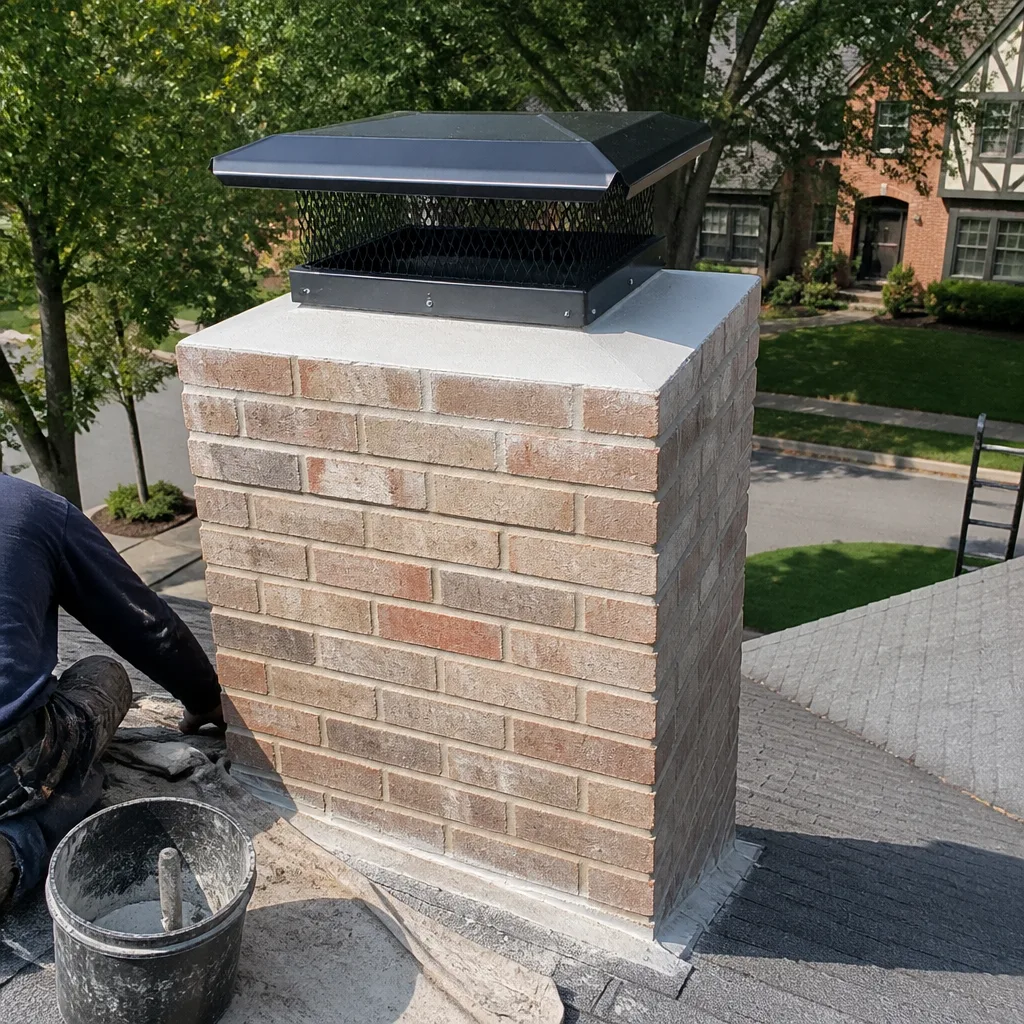
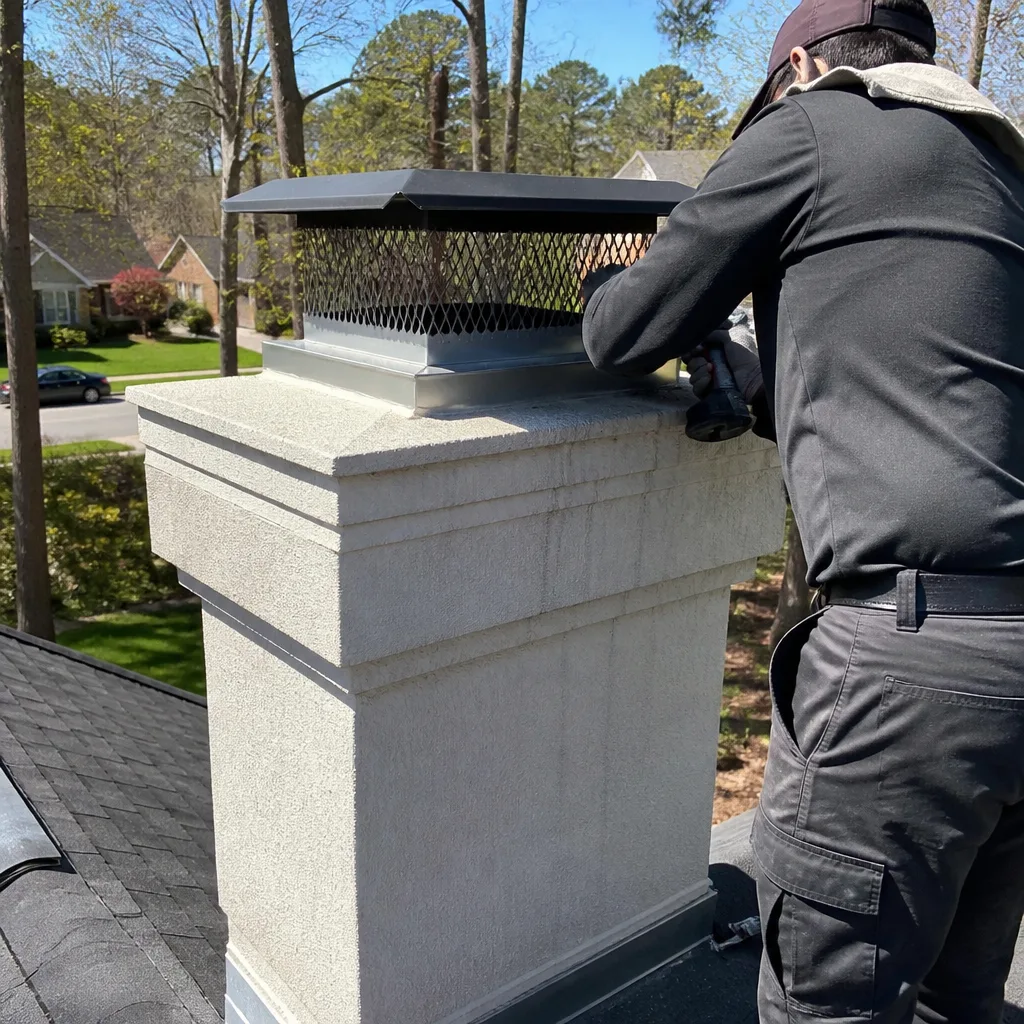
See the difference
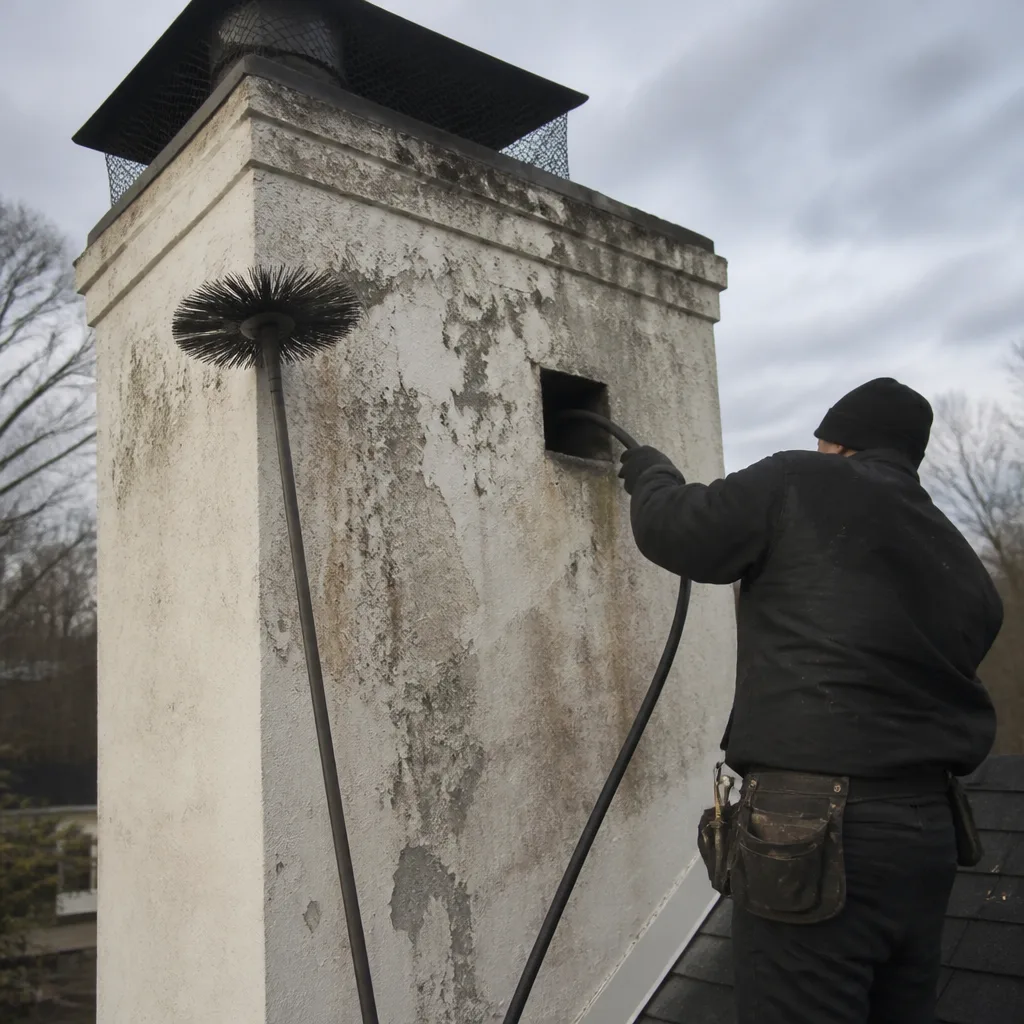 Before
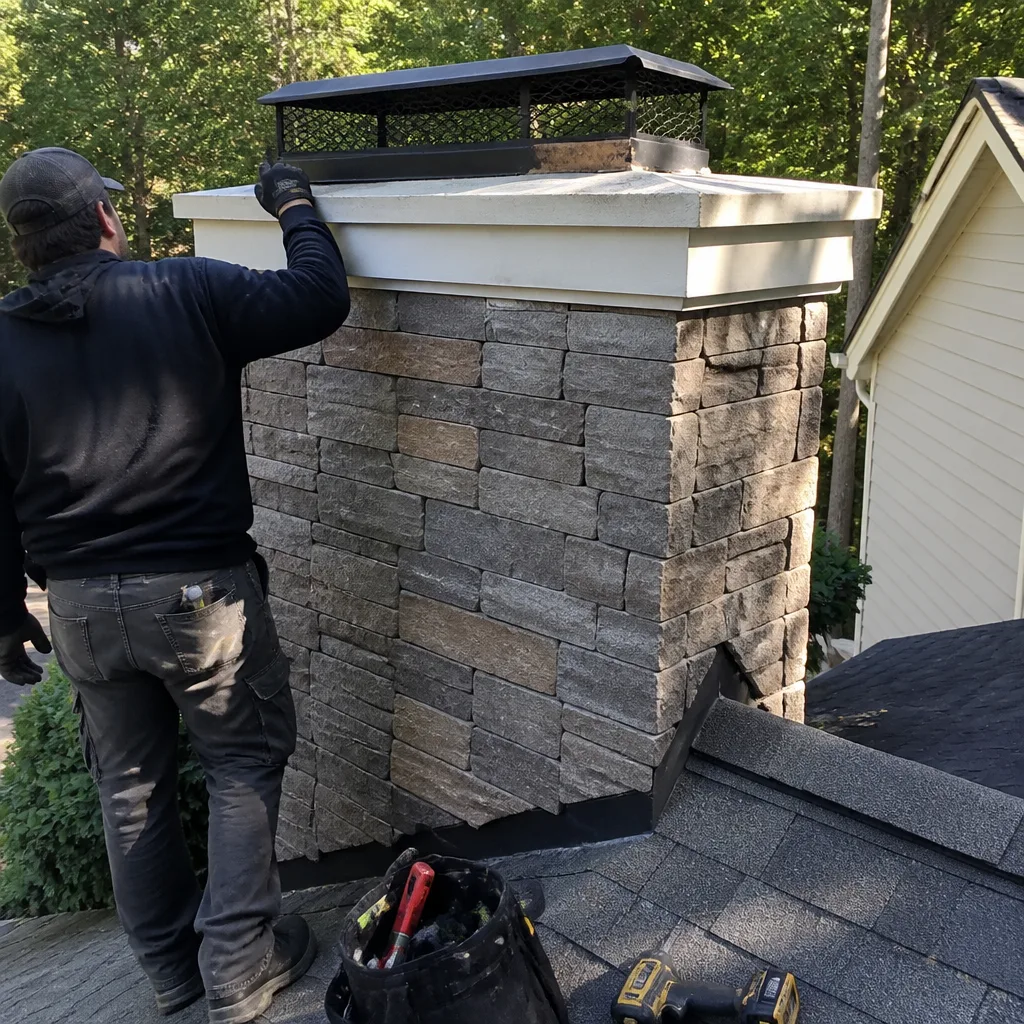 After
After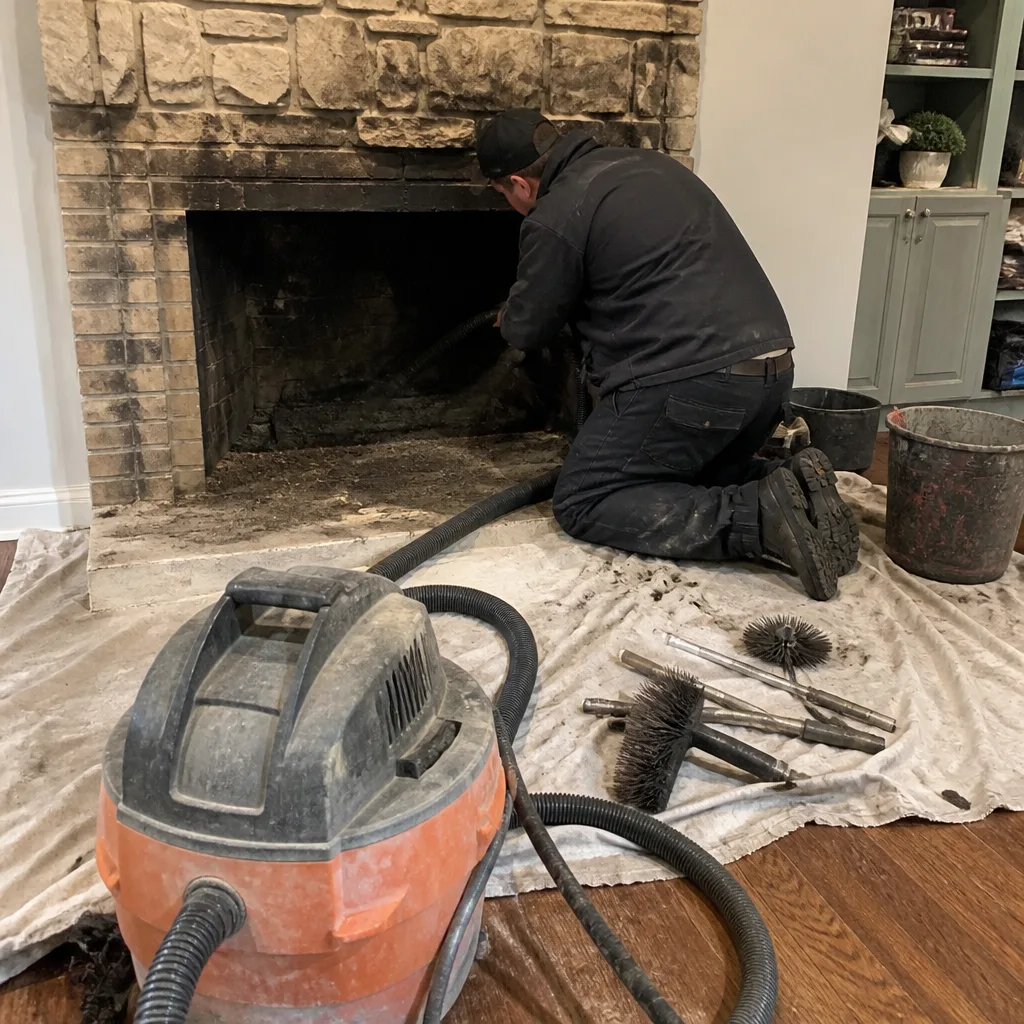 Before
 After
After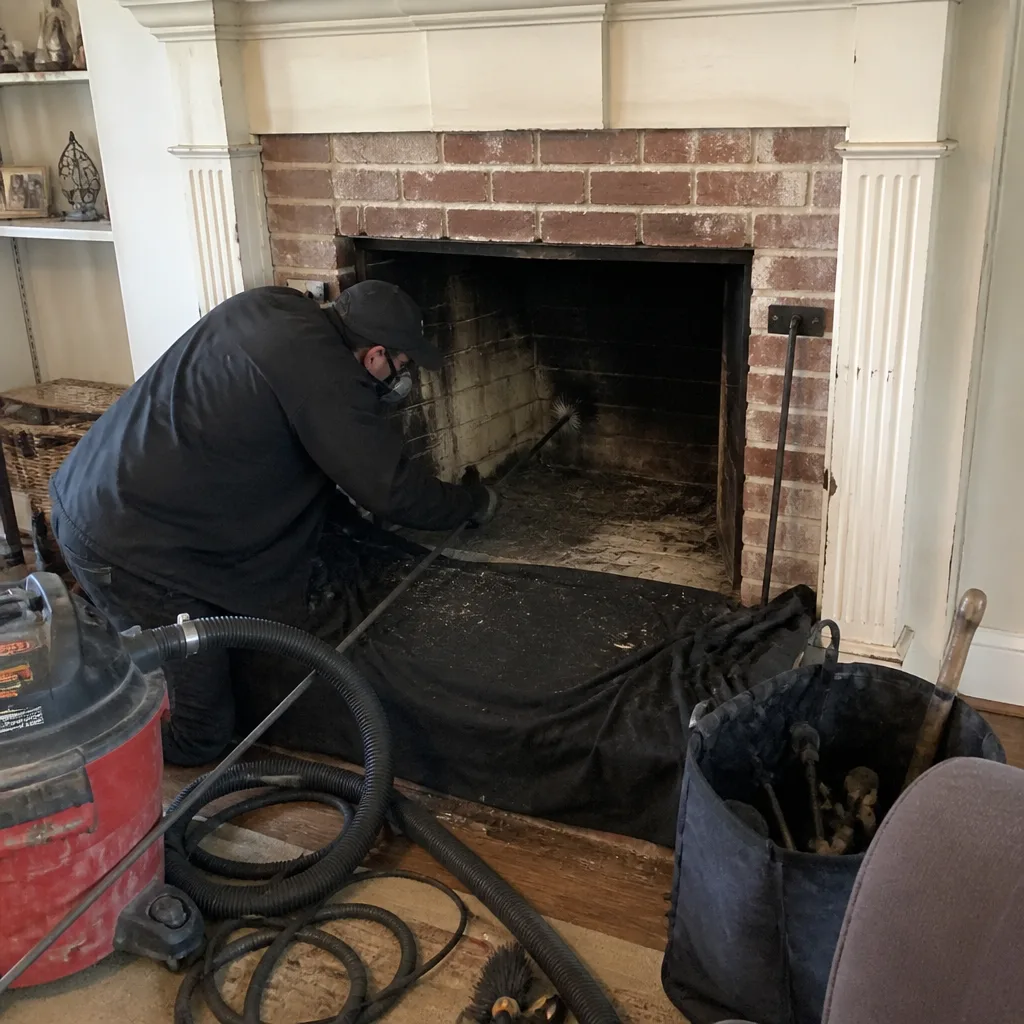 Before
 After
After