
Last updated October 15, 2026
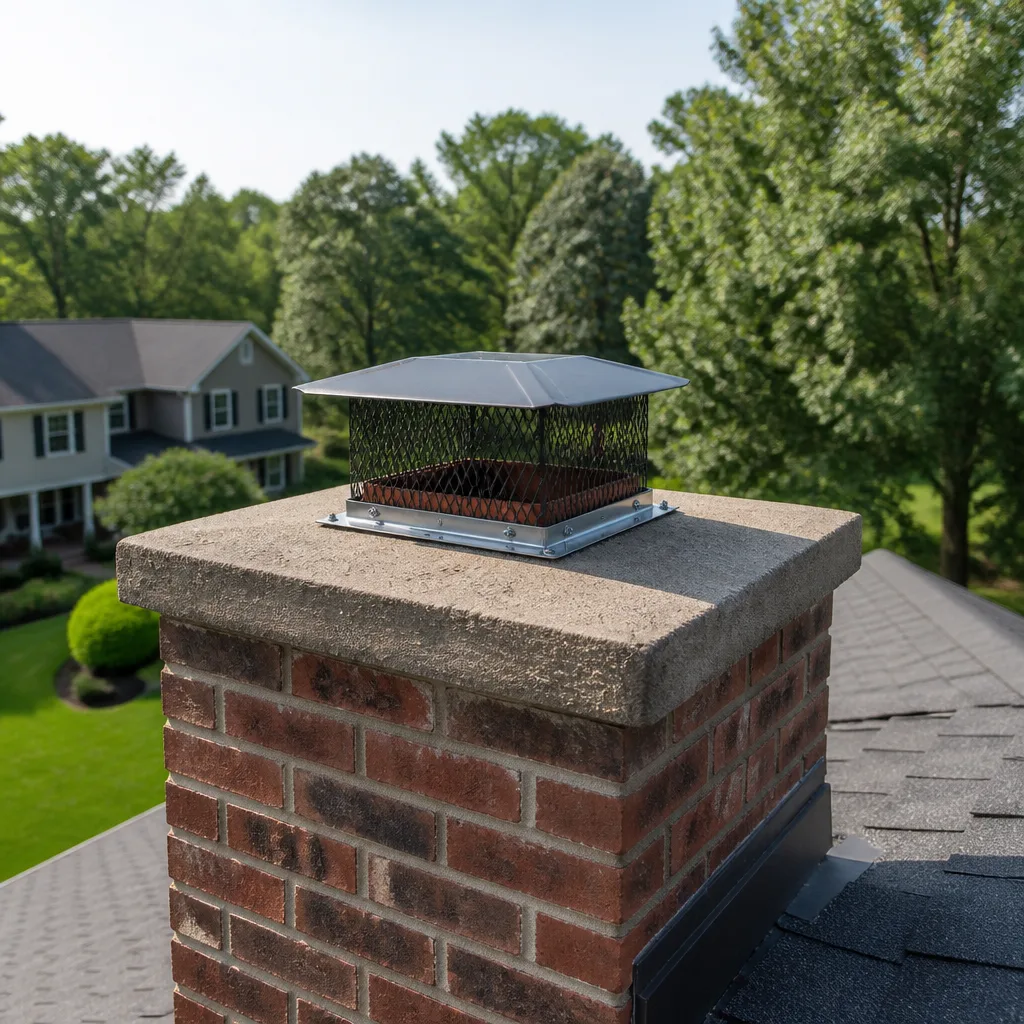 Sweep & inspection
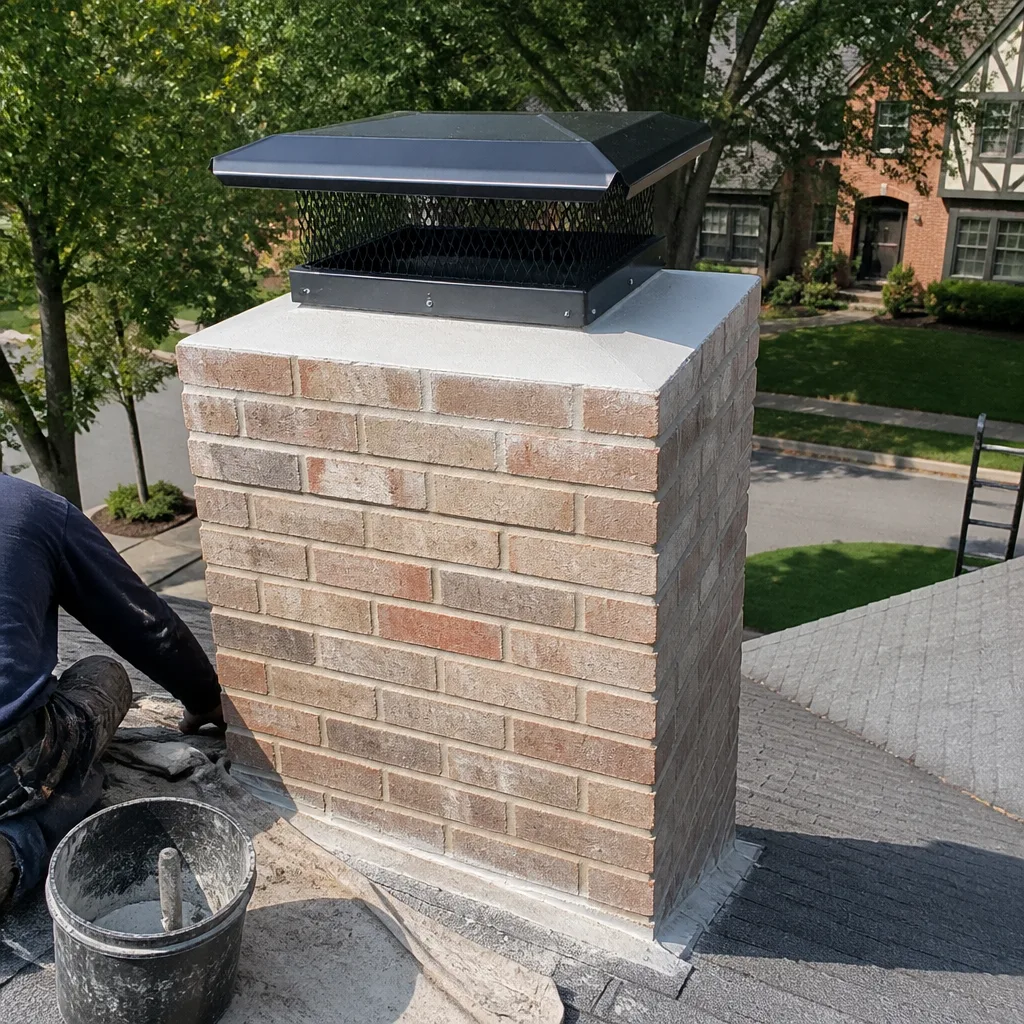
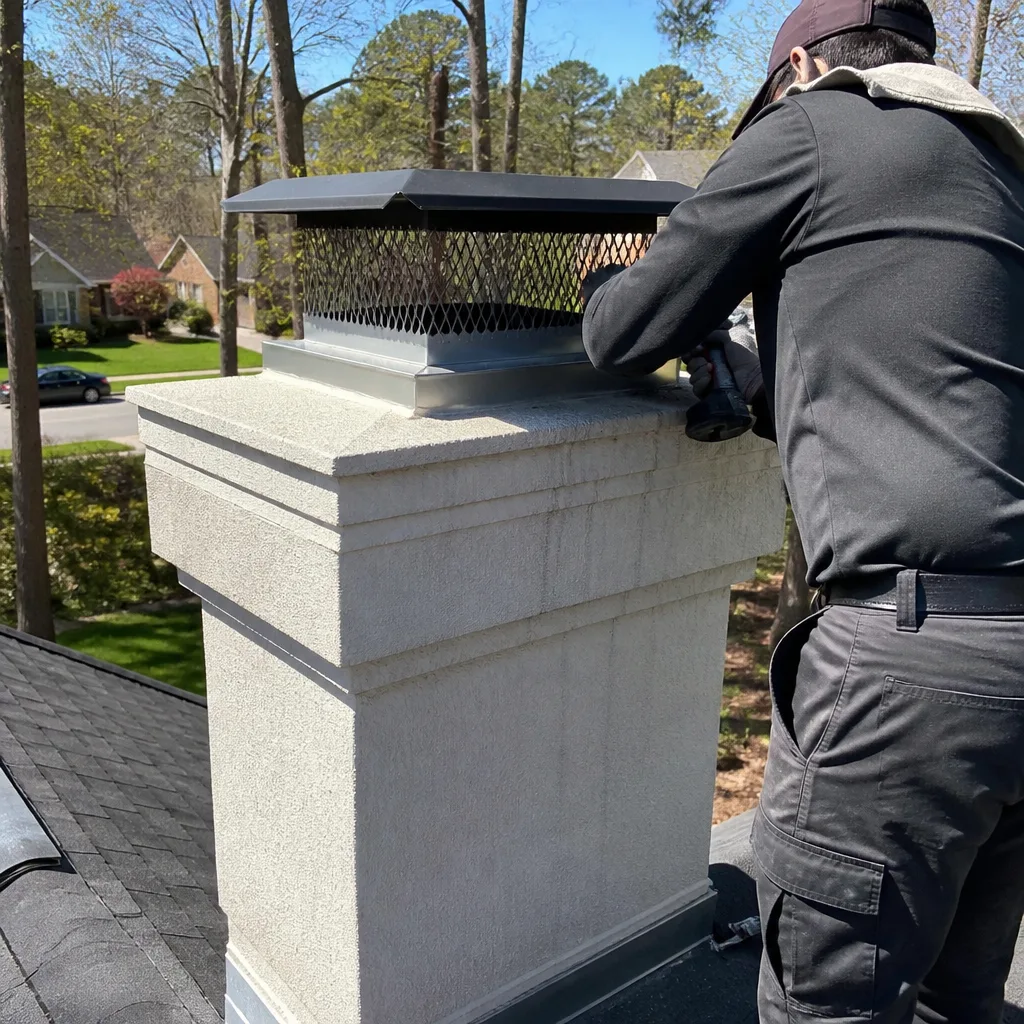
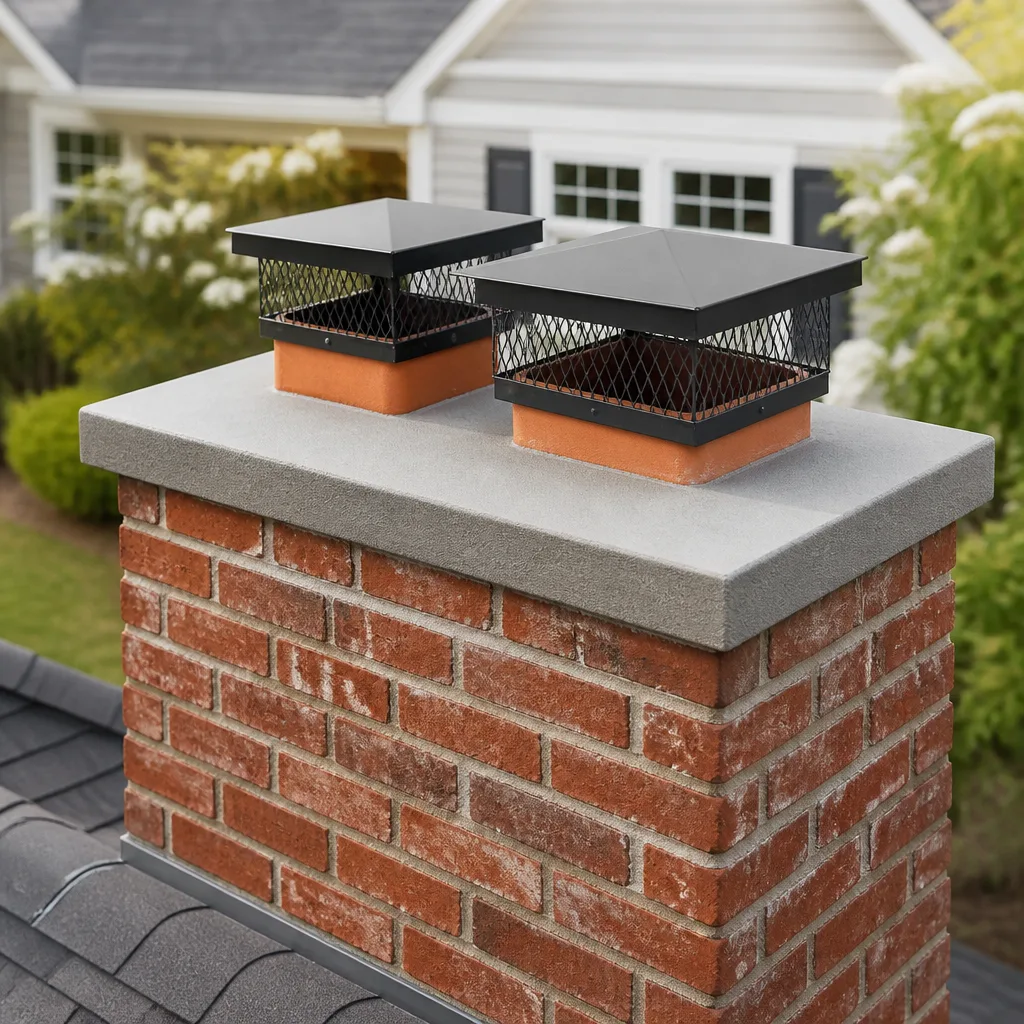 Caps & crowns
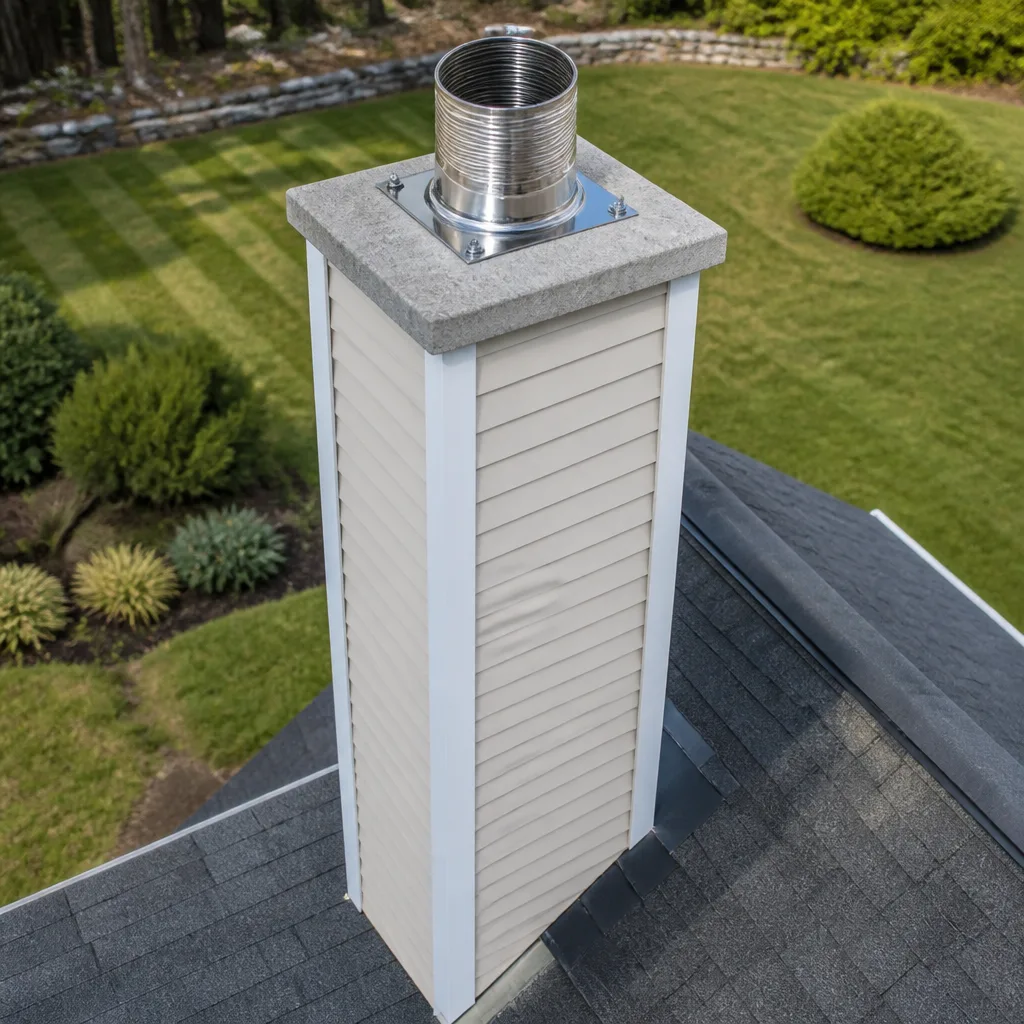 Flue relining
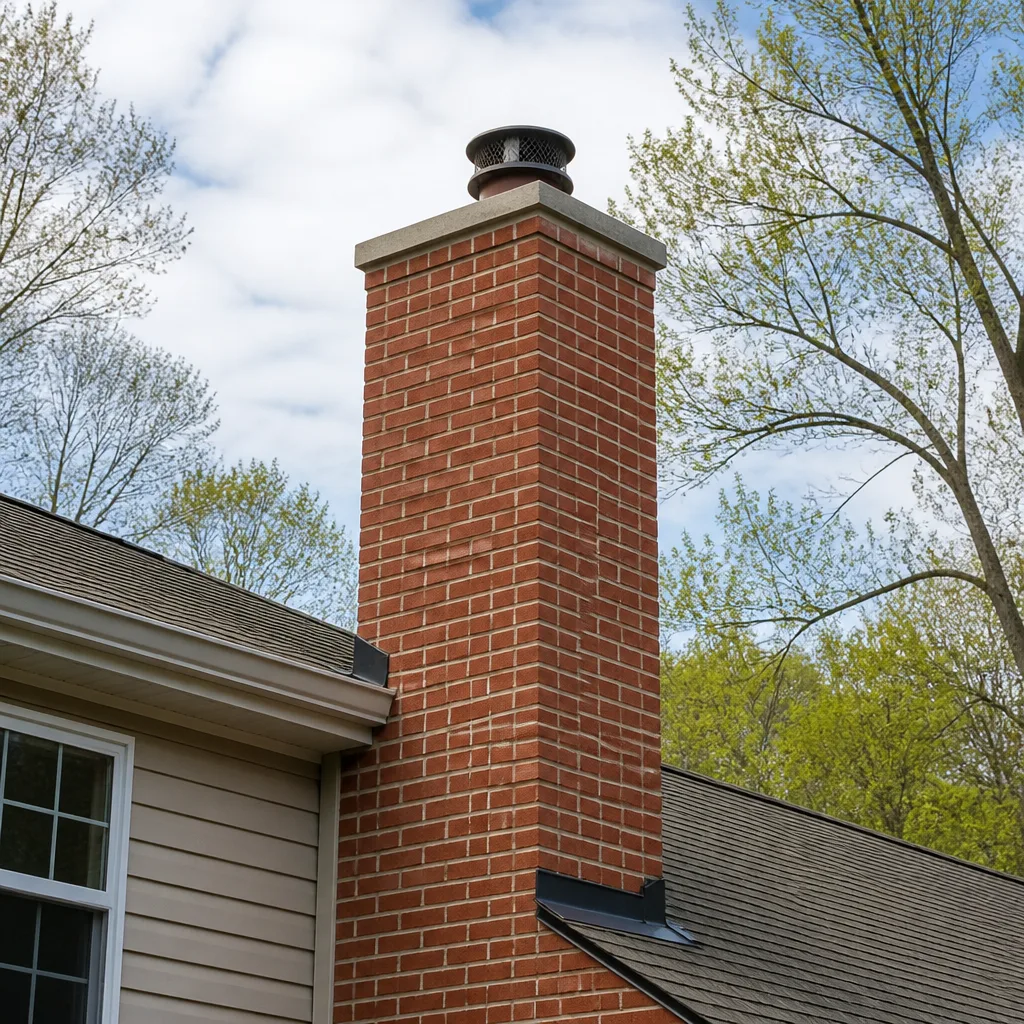 Masonry repair
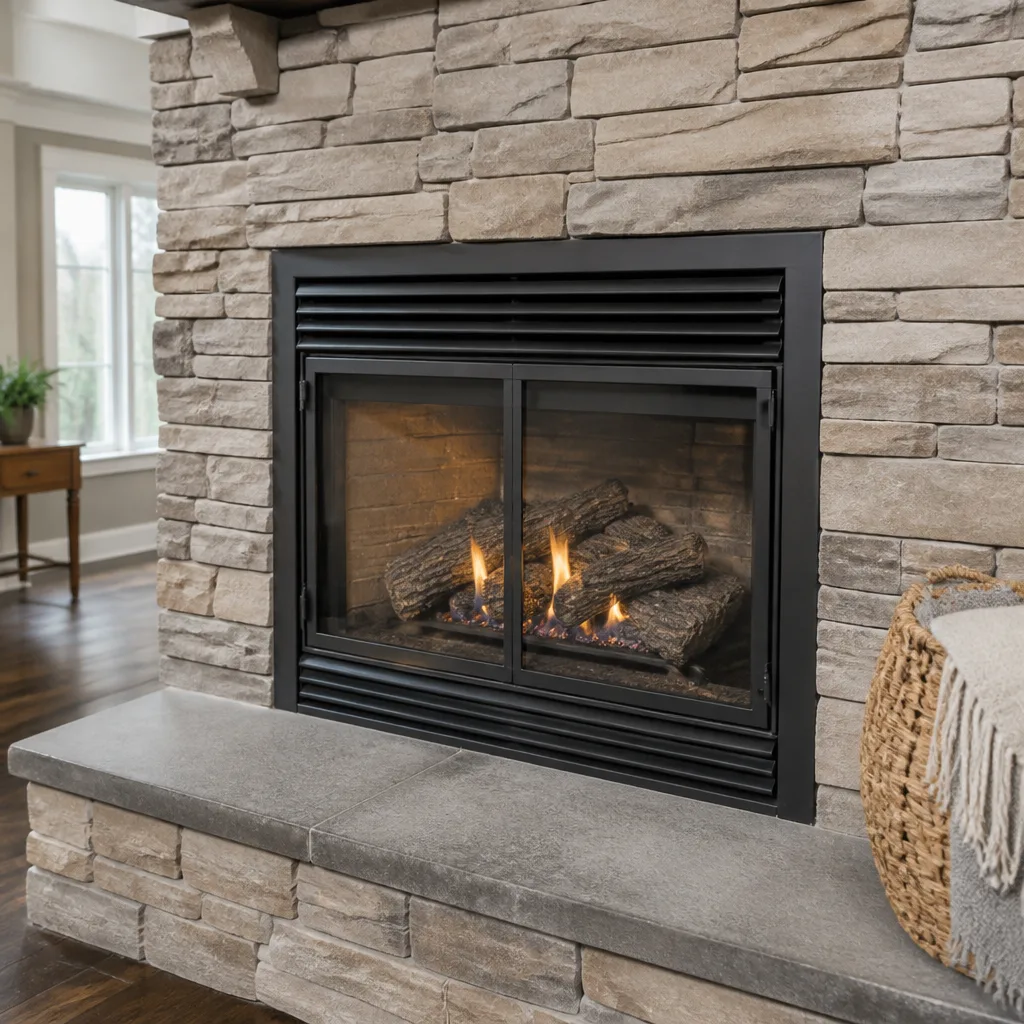 Gas fireplace service
Level 1 sweep and inspection to the NFPA 211 annual standard - flue, crown, cap, and flashing checked and photographed
Chimney sweep logs do not sweep chimneys. They loosen some creosote - which then falls where a brush and vacuum still have to collect it.
Chimney Cleaning Permits, Codes & Inspections in GA: What You Need to Know
Georgia homeowners have lost thousands at closing because a chimney liner replacement done three years earlier was never permitted. The buyer’s inspector flagged it. The seller had no documentation to prove code compliance. The deal fell apart over a $2,400 liner swap that would have cost $180 to permit in the first place. This guide-along with our Complete Guide to Chimney Cleaning in Alpharetta-maps the exact line between what requires a permit and what doesn’t in Georgia, specifically for homeowners in Alpharetta and the north metro. You’ll learn what NFPA 211 actually requires after a sweep, what a real inspection report looks like, and how to verify a contractor pulled permits before you hand over a deposit.
Styles & brands we work with
Quick Answer
Routine chimney sweeping and standard Level 1 inspections-covered in our Chimney Sweep Maintenance Checklist for Alpharetta Homeowners-do not require a permit anywhere in Georgia. But structural repairs, liner replacements, and flue modifications often do, depending on your county. In Alpharetta, which sits in Fulton County, any work that alters the chimney’s structure, replaces a flue liner, or changes the venting system triggers a residential building permit. The permit is the contractor’s responsibility to pull, and your job is to verify it exists.
Table of Contents
- Where the Permit Line Is Drawn in Georgia
- Alpharetta and North Fulton Permit Requirements
- NFPA 211: The Standard Behind Georgia Code
- What a Code-Compliant Inspection Report Looks Like
- How to Verify a Permit Was Pulled
- What Happens When Work Was Never Permitted
- Common Mistakes to Avoid
- When to Call a Professional
- Frequently Asked Questions
- The Bottom Line
Where the Permit Line Is Drawn in Georgia
Let’s state this plainly: cleaning soot and creosote out of a chimney flue is maintenance, not construction. No Georgia county, including Fulton, Cherokee, Forsyth, or Gwinnett, requires a permit for a routine sweep. A Level 1 inspection, the standard visual check performed during a sweep, also requires no permit. This holds true under the Georgia State Minimum Standard Building Code, which local jurisdictions adopt and amend.
The line gets crossed when the work changes the chimney’s structure, materials, or venting function. Here’s the breakdown:
- No permit needed: chimney sweeping, creosote removal, Level 1 visual inspections, minor cap tightening, bird screen installation, and damper lubrication.
- Permit required: flue relining (replacing the inner liner that channels smoke safely out of the house), chimney rebuilds above the roofline, crown replacement involving masonry demolition, firebox reconstruction, and any change to the height or diameter of the flue.
- Gray zone (confirm with your county): adding a chimney cap when none existed, installing a top-sealing damper, and repairing a smoke chamber. Some jurisdictions treat these as accessory replacements. Others classify them as venting modifications.
In Alpharetta, we’ve seen unpermitted liner work flagged at title search more times than we can count. The buyer’s home inspector sees a HeatShield or DuraFlex liner, notes the recent installation, and asks for the permit record. When the seller can’t produce it, the transaction stalls. The cost of pulling the permit retroactively, including penalties and inspection fees, is usually triple the original permit fee. And if the work fails the retrospective inspection, the liner has to be pulled and redone.
Alpharetta and North Fulton Permit Requirements
Alpharetta enforces building codes through the City of Alpharetta Community Development Department. The city adopts the International Residential Code (IRC) with local amendments, and it cross-references NFPA 211 for anything involving chimneys and venting systems. If you live in unincorporated Fulton County, the county’s Department of Building Safety handles permits under similar code adoption.
Here’s what triggers a residential building permit in Alpharetta for chimney work:
- Any flue relining or liner replacement. Whether you’re installing a stainless steel liner from Olympia Chimney or a poured-in-place ceramic system like HeatShield, the IRC requires a permit because the liner is part of the venting system.
- Chimney crown replacement involving demolition. A simple crown coat with a waterproofing sealant does not require a permit. Breaking out the old crown and re-forming it does.
- Rebuilding any portion of the chimney structure. If more than a few bricks are being re-laid above the roofline, the city considers this structural work.
- Firebox or smoke chamber reconstruction. These components sit in the path of heat and combustion gases. The IRC treats them as part of the firebox assembly and requires inspection.
- Changing flue height or diameter. Any alteration to the venting dimensions changes draft characteristics. That’s a code matter, not a preference matter.
Cherokee County, which borders Alpharetta to the north, operates under similar rules. The county’s building inspection division requires permits for liner replacements and structural chimney work. Homeowners in Woodstock, Canton, and Holly Springs often assume their chimney company handles everything. Many do. The reputable ones pull permits as standard practice. The ones that don’t are usually the ones who gave you a price that seemed too good.
NFPA 211: The Standard Behind Georgia Code
NFPA 211 is the National Fire Protection Association’s Standard for Chimneys, Fireplaces, Vents, and Solid Fuel-Burning Appliances. When Georgia building codes reference “code-compliant chimney conditions,” they are pointing at NFPA 211. It is not a law on its own, but it becomes enforceable when adopted by a jurisdiction or referenced in an insurance policy.
For homeowners, the relevant part is Chapter 11, which covers inspection and maintenance. Here’s what it asks after a cleaning:
- Liner integrity. NFPA 211 requires that the liner be free of cracks, gaps, and spalling that could allow heat or combustion gases to reach combustible materials. A sweep’s job is to flag this. A repair company’s job is to fix it with code-listed materials.
- Clearances. Combustible framing must maintain minimum clearance from the chimney structure. In most Georgia homes built after 1990, that’s 2 inches for exterior chimneys and 1 inch for interior chimneys.
- Creosote thresholds. NFPA 211 draws the line at 1/8 inch of creosote buildup. At that point, the chimney is considered unsafe for use until cleaned. Glazed creosote, the shiny, tar-like variety that forms in low-temperature wood burning, is the hardest to remove and the most likely to fuel a chimney fire.
- Flue sizing. The flue must match the appliance it serves. A fireplace with a 15-inch flue opening needs a matching liner diameter. When a liner is too large, draft weakens and smoke spills into the home. When too small, the flue can overheat.
One thing NFPA 211 does not require is a permit for the inspection itself. The standard treats inspection as a maintenance activity, which is why a Level 1 inspection performed by a Chimney Sweep in Alpharetta never needs a permit. The standard kicks in when repair work begins, because now the liner or structure is being altered, and the alteration has to meet the same code the original construction met.
What a Code-Compliant Inspection Report Looks Like
Most homeowners assume a chimney sweep’s internal checklist is the same as an inspection report. It isn’t. A sweep’s checklist tells you what was cleaned and what needs watching. An inspection report tells you whether the chimney meets code, and if not, what it will take to get there.
A code-compliant inspection report, the kind that survives a real estate transaction, includes these sections:
- Appliance description. Make, model, fuel type, and venting configuration of the fireplace or stove.
- Chase and flashing condition. The exterior structure that houses the flue and the metal that seals the roofline penetration.
- Liner condition with measurements. Not just “liner looks okay.” The report should specify liner material, diameter, length, and any gaps or cracks observed, with photos.
- Creosote thickness in inches or millimeters. A number, not a description. “1/4 inch glazed creosote in first 8 feet” is useful. “Moderate buildup” is not.
- Clearance verification. Confirmation that the chimney structure sits far enough from combustible materials.
- Smoke chamber and firebox assessment. Condition of the brick or refractory panels, mortar joints, and damper.
- Recommendations with priority levels. What needs attention now, what can wait a season, and what is cosmetic.
Flint Chimney Co Alpharetta provides a written inspection report with every Chimney Inspection in Alpharetta, and it includes photos and measurements, not just checkboxes. That documentation matters when a buyer asks questions. It also matters for insurance claims. If a chimney fire occurs and you can show a clean inspection report from the previous season, the claim moves differently than if you can’t.
How to Verify a Permit Was Pulled
When a contractor tells you a permit has been pulled, don’t take the word for it. Verify. This takes ten minutes and protects you from a problem that surfaces years later, usually when you’re selling.
- Ask for the permit number. Every permit issued by Fulton County or the City of Alpharetta has a unique number. If the contractor can’t produce it, the permit likely doesn’t exist.
- Check online. The City of Alpharetta maintains a public permit portal. Enter the address and look for active or recently closed permits. Fulton County has a similar system for unincorporated areas.
- Confirm the work description matches. A permit for “electrical panel upgrade” does not cover a chimney liner replacement. Read the scope.
- Expect an inspection after the work. A permit is not complete until the work is inspected and closed out. Ask the contractor when the final inspection is scheduled, and ask for the inspection report afterward.
- Get the documentation in writing. The permit number, the inspection date, and the inspector’s sign-off should all appear on your invoice or a separate closure document.
In our experience in Alpharetta, the contractors who avoid permits are the same ones who avoid written estimates. They operate on a handshake and a verbal price, and they’re hard to reach when something goes wrong. A reputable chimney company pulls permits as a matter of course and has the documentation ready before you ask. The Garrison Standard we follow requires a written price before any work begins, and that extends to permits. If a permit is required, the permit fee is listed on the estimate. There’s no line item that appears later without your approval.
What Happens When Work Was Never Permitted
Scenario: you bought a house in Alpharetta five years ago. The previous owner had the chimney relined. You never thought about permits. Now you’re selling, and the buyer’s inspector asks for the liner documentation. What happens next?
- The buyer can demand a retrospective permit. This means the work has to be inspected against current code. If it passes, a permit is issued retroactively, usually with a penalty fee. If it fails, the liner has to be corrected.
- Lenders can flag the missing permit. An FHA or VA loan, and many conventional loans, can stall when unpermitted structural work is discovered. The underwriter asks for the documentation. If none exists, the deal can’t proceed until the permit issue is resolved.
- Insurance claims can be denied. If a chimney fire occurs and the investigation finds an unpermitted liner was the cause, the insurer may deny the claim. The argument is that the work was not inspected and therefore the condition of the chimney was unknown.
- Local code enforcement can require removal. Alpharetta code enforcement has the authority to require unpermitted work to be brought into compliance or, in extreme cases, reversed.
The cost to fix an unpermitted liner is rarely just the permit fee. It’s the inspection fee, the potential correction work, the time spent on hold with the building department, and the stress of a transaction hanging in the balance. We’ve helped homeowners in Alpharetta sort out unpermitted work from previous owners more than once. The fix starts with an honest inspection, documented in writing, so everyone knows exactly where the chimney stands.
Common Mistakes to Avoid
- Assuming all chimney work is the same. Sweeping is maintenance. Relining is construction. Treating them as equivalent leads to unpermitted repairs. Ask your contractor directly: “Does this work require a permit?”
- Accepting a verbal permit confirmation. “We pulled it” means nothing in writing. Get the number, check the portal, and get the inspection closeout document. Ten minutes of verification beats a blown closing.
- Confusing a sweep’s checklist with an inspection report. A sweep tells you what was removed. An inspection tells you whether the chimney meets code. You need both, and they serve different purposes.
- Ignoring the 1/8-inch creosote threshold. NFPA 211 is clear: at 1/8 inch of buildup, the chimney is unsafe until cleaned. Allowing a glaze to build beyond that is the single biggest factor in chimney fires in Fulton County homes with wood-burning fireplaces.
- Thinking a new liner fixes everything. A liner is one component. Crown condition, flashing, smoke chamber mortar, and damper function all matter independently. A proper repair addresses the whole system.
- Choosing the lowest bid without checking permit history. The Alpharetta contractor who undercuts everyone on a liner job is often the one who isn’t pulling permits, isn’t insured, and isn’t standing behind the work. The savings vanish the moment a buyer asks for documentation.
- Waiting until listing to check your chimney. If you’re planning to sell in the next two years, get a code-compliant inspection now. It’s far cheaper to fix issues on your timeline than to negotiate them during escrow.
When to Call a Professional
Call a professional when the chimney has not been inspected in over a year and you burn regularly. Call when you see flaking brick, a rusted damper, or water staining on the ceiling near the fireplace. Call when your home inspector flags the chimney on a house you’re buying. Call when the previous owner can’t produce liner documentation. And call when you want a written report that states exactly what your chimney needs and what it doesn’t. Flint Chimney Co Alpharetta offers free estimates in Alpharetta, and every inspection includes photographs and a written condition report. Call (762) 600-1468 for a fire safety evaluation or a straightforward Chimney Sweep in Alpharetta. Our Flint Chimney Co Alpharetta home is based in the city, and our Chimney Repair in Alpharetta services include liner replacement, crown work, and firebox reconstruction, all performed under the written price and one-year guarantee we put in place on every job.
Frequently Asked Questions
No. Chimney sweeping is classified as routine maintenance under Georgia building code, and no permit is required anywhere in the state. The work involves removing creosote and soot from the existing flue, not altering the structure or venting system. The same applies to the visual Level 1 inspection that typically accompanies a sweep.
Flue relining, chimney rebuilds above the roofline, crown replacement involving demolition, firebox reconstruction, and any change to the flue’s height or diameter require a residential building permit in Alpharetta. The City of Alpharetta Community Development Department issues these permits, and the work must pass a final inspection to close the permit. Call (762) 600-1468 for an accurate assessment of whether your specific repair triggers a permit.
A stainless steel liner replacement in the Alpharetta area typically runs $2,200 to $4,800 depending on flue height, diameter, and access. Ceramic poured-in-place systems like HeatShield typically run $2,800 to $5,500. These are installed prices including materials, permit fees where required, and final inspection. The permit itself is usually $150 to $300 in Fulton County.
Yes. NFPA 211 is the national standard for chimney condition and maintenance, and Georgia building codes reference it directly. It matters for you in two ways: it defines the creosote threshold (1/8 inch) that makes a chimney unsafe to use, and it sets the liner integrity requirements that inspectors look for when you sell your home.
The inspector typically recommends a Level 2 inspection by a qualified chimney professional. If that inspection finds defects, the buyer will ask for either a repair or a credit. If the repair is structural or liner-related, the buyer will also ask for the permit record. Missing documentation stalls the deal. In Alpharetta, we’ve seen transactions delayed weeks while sellers scrambled to resolve unpermitted liner work. Call (762) 600-1468 for a documented inspection that answers the buyer’s questions before they’re asked.
NFPA 211 recommends a sweep when creosote reaches 1/8 inch thick, which translates to roughly once per cord of wood burned or once per burning season for occasional wood burners. In Alpharetta’s climate, where winter burning is intermittent, annual inspection with sweeping as needed is the standard. Gas fireplaces need less frequent cleaning but still benefit from an annual inspection for venting and carbon monoxide safety.
The Bottom Line
Georgia draws a clean line between chimney maintenance and chimney construction. Sweeping and Level 1 inspections need no permit. Liner replacement, structural rebuilds, and firebox work do. In Alpharetta, the permit is the contractor’s responsibility, and the verification is yours. Demand a permit number, check the portal, and file the closeout documentation with your closing papers. The cost of doing it right is a few hundred dollars and a few minutes. The cost of skipping it shows up three years later, at the worst possible moment, in the middle of a real estate transaction. Protect yourself the same way you would with any other structural component of the house: in writing, with documentation, and with a company that follows the code because the code is the floor, not the ceiling. For more guides & resources, visit our blog.
Written by Hank Delano, Owner at Flint Chimney Co Alpharetta, serving Alpharetta since 2002.
See the difference
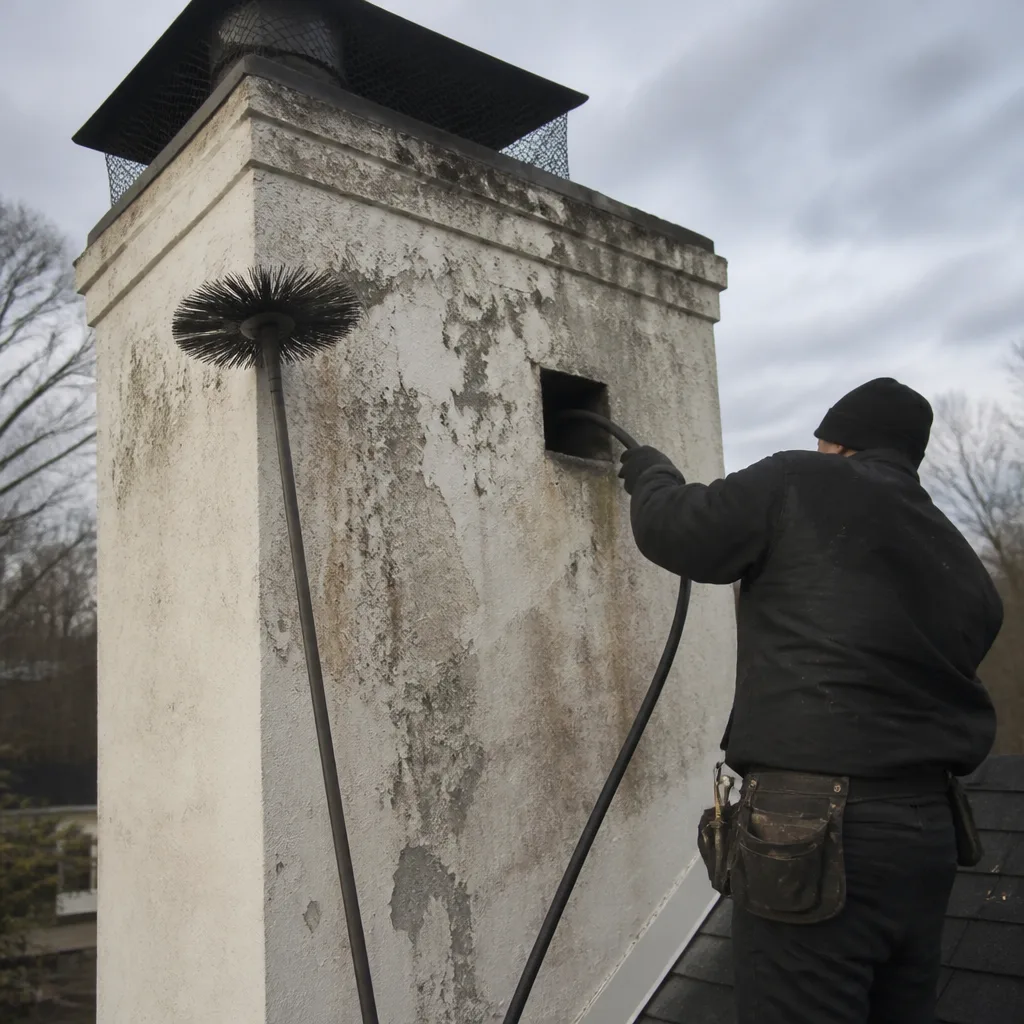 Before
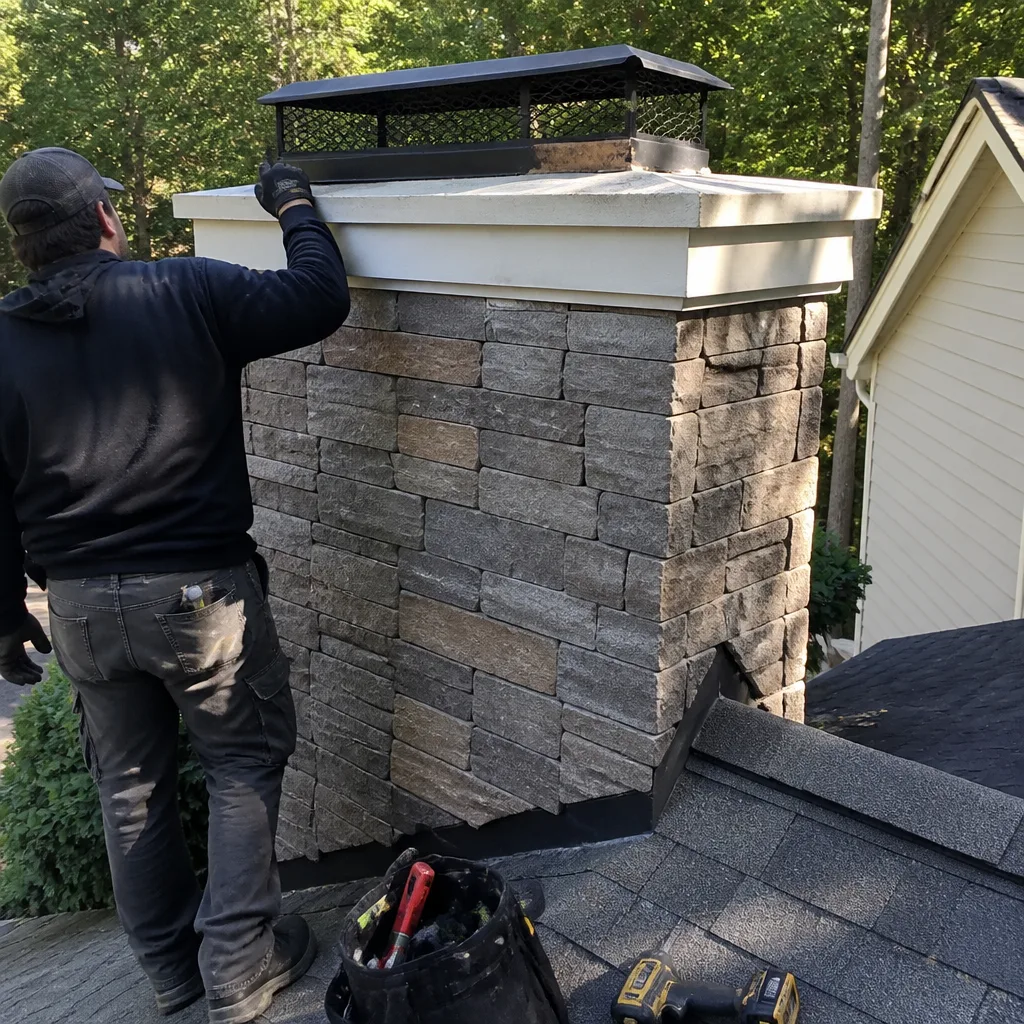 After
After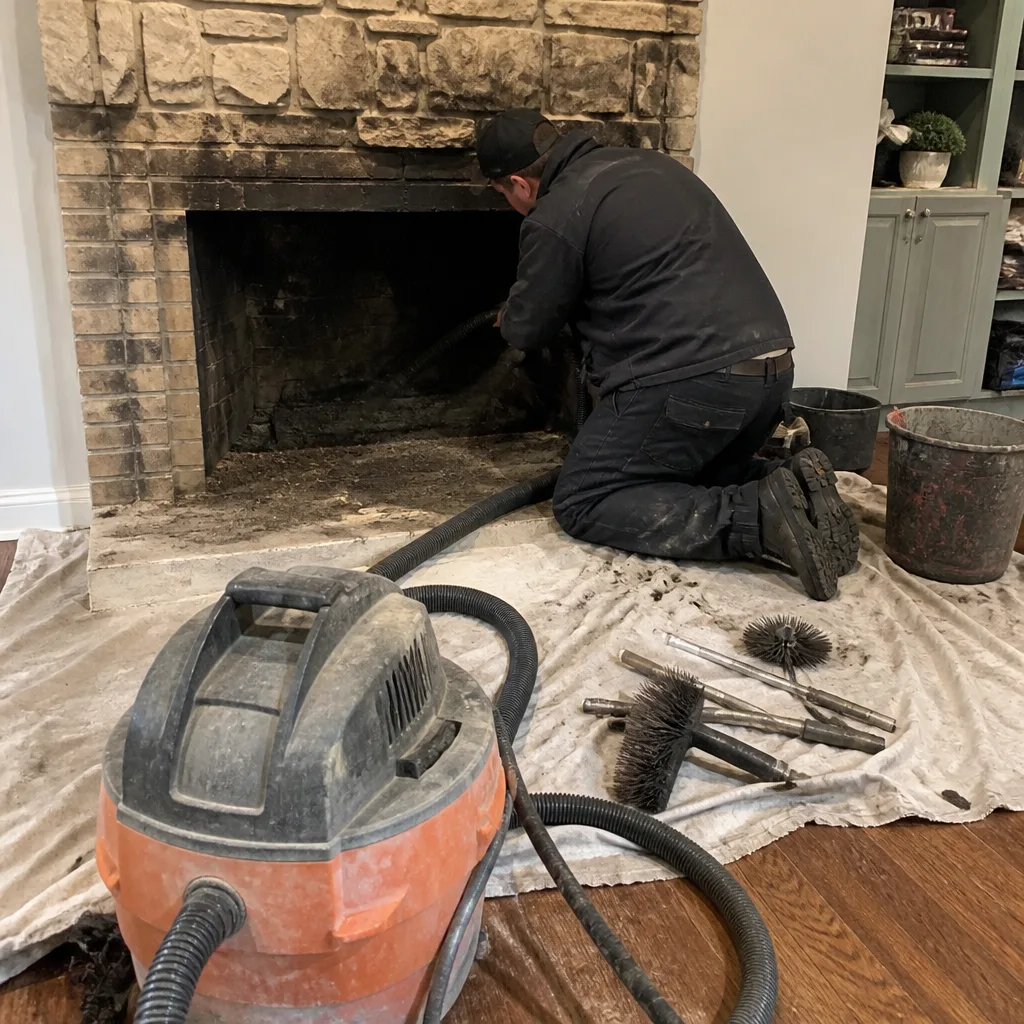 Before
 After
After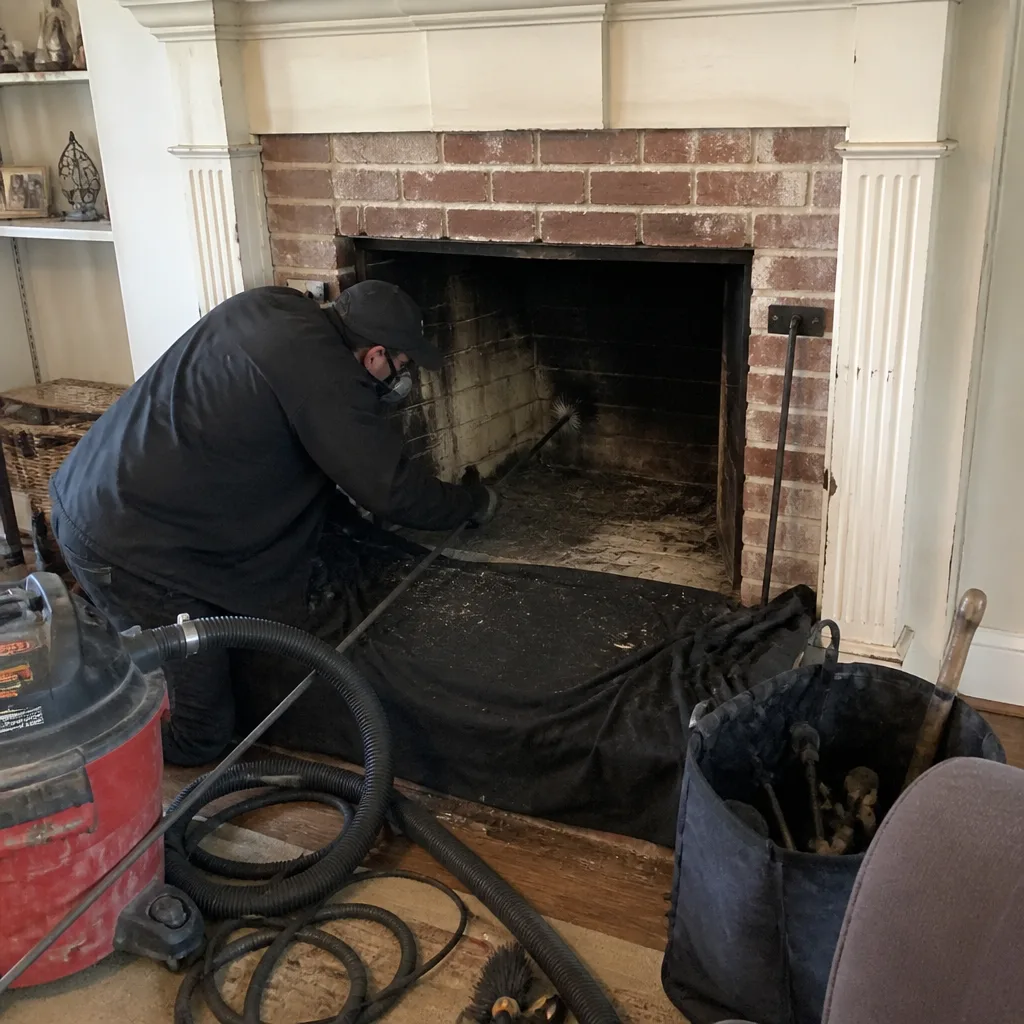 Before
 After
After