
Last updated October 15, 2026
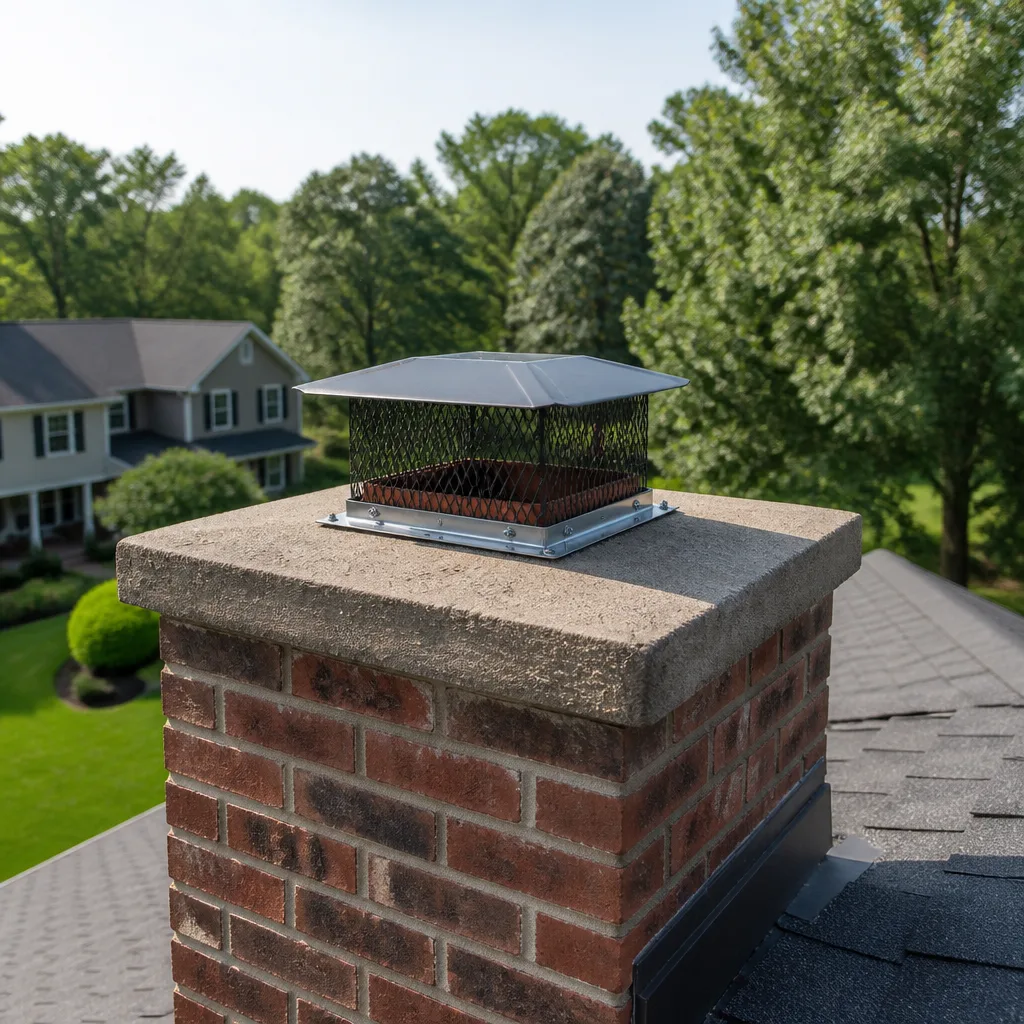 Sweep & inspection
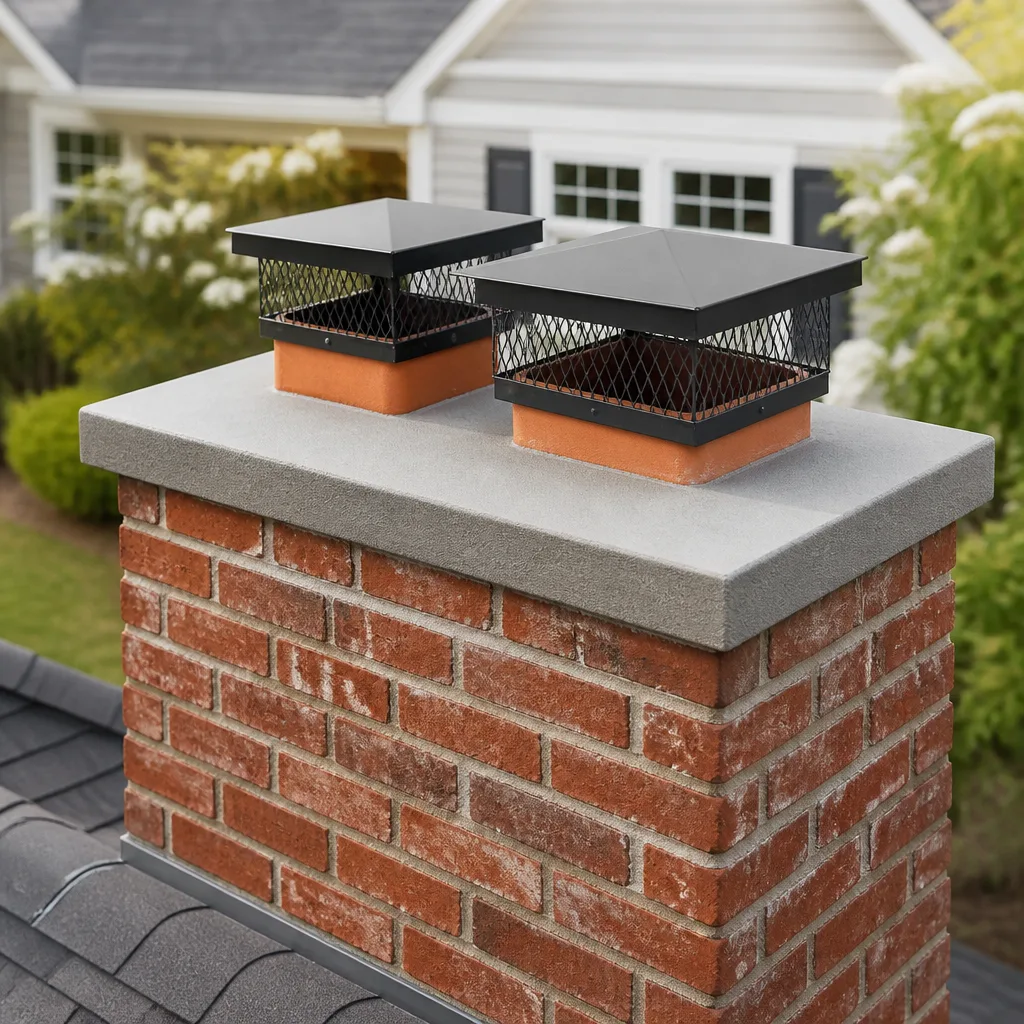 Caps & crowns
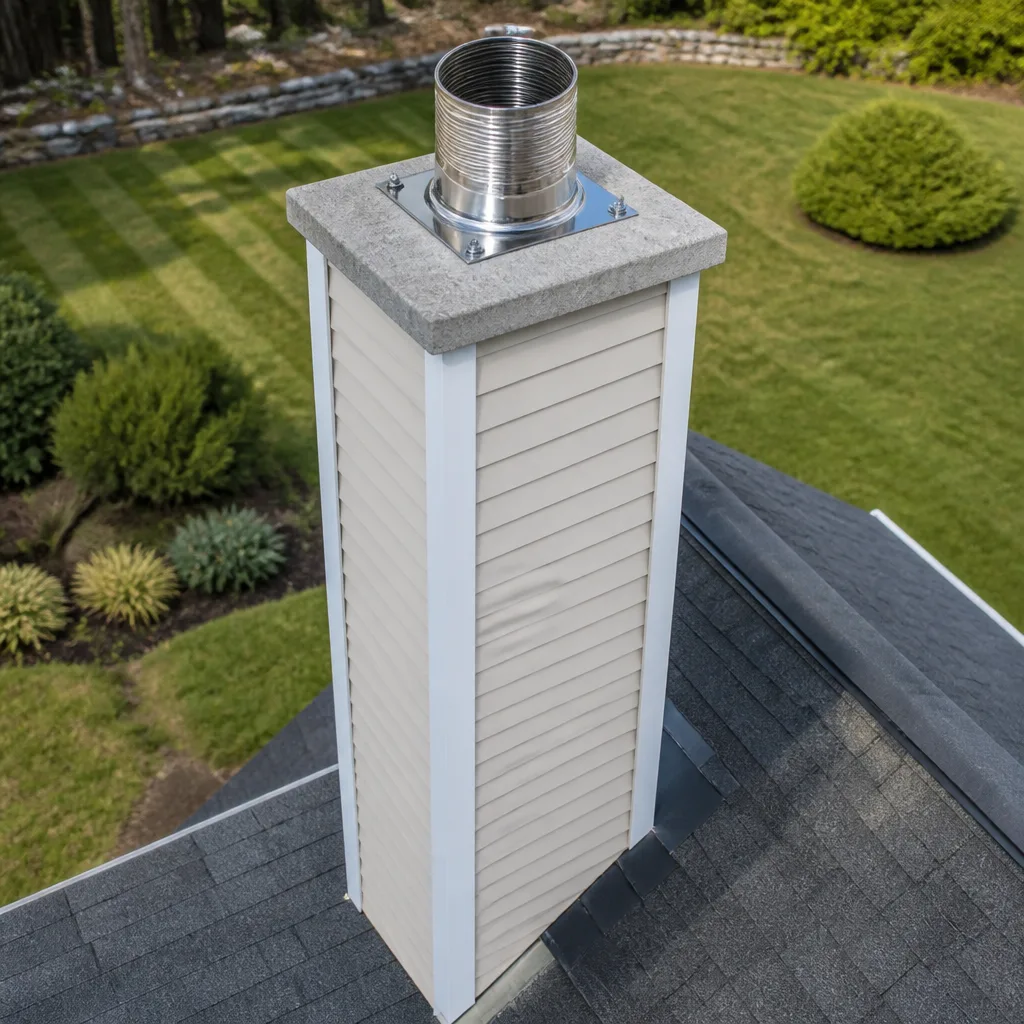 Flue relining
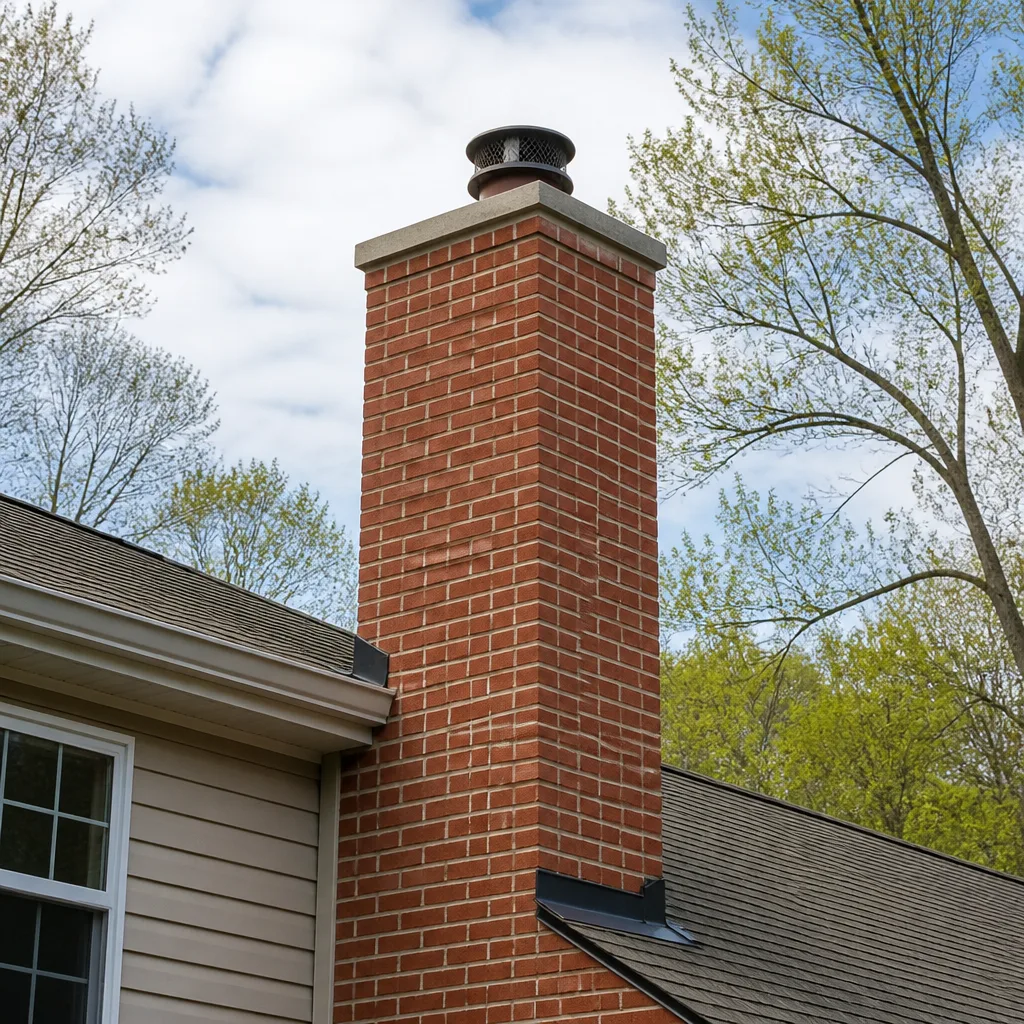 Masonry repair
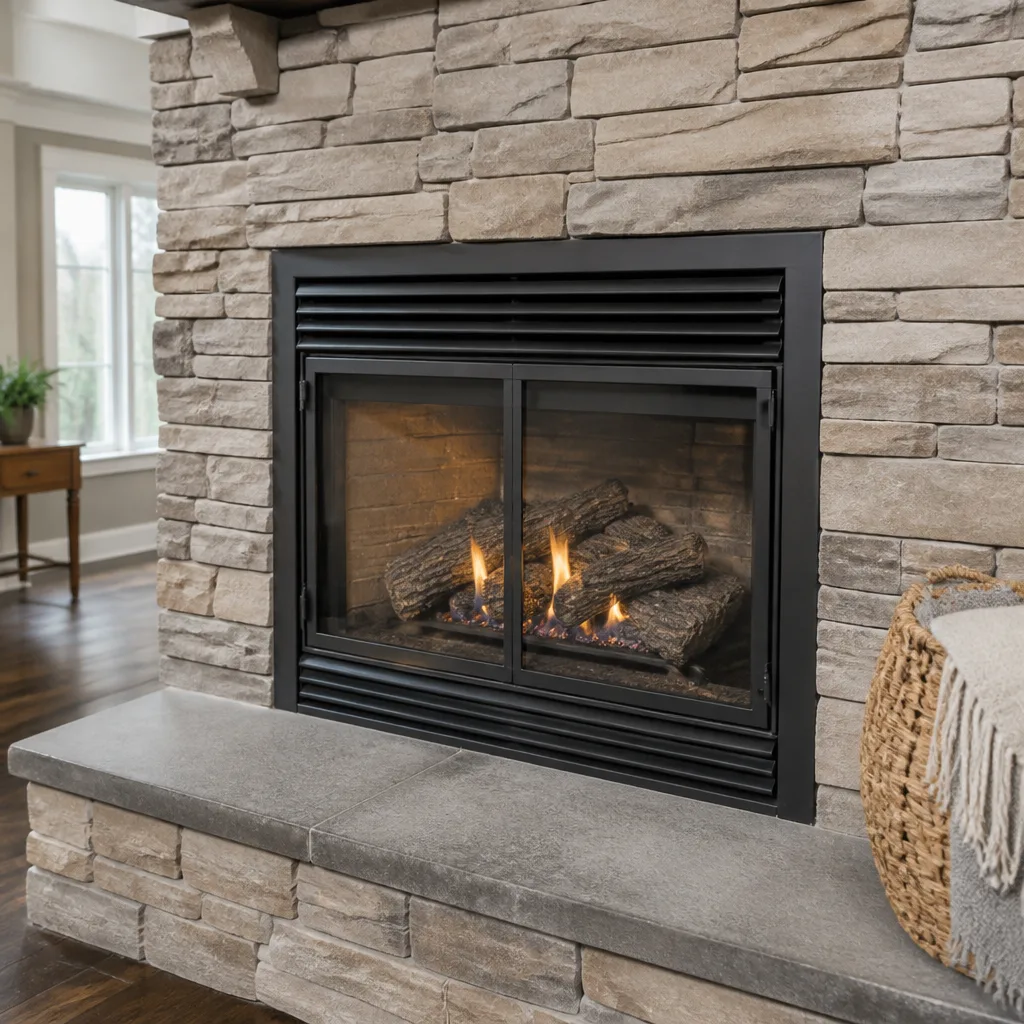 Gas fireplace service
Level 1 sweep and inspection to the NFPA 211 annual standard - flue, crown, cap, and flashing checked and photographed
Chimney sweep logs do not sweep chimneys. They loosen some creosote - which then falls where a brush and vacuum still have to collect it.
Seasonal Chimney Cleaning Care for Alpharetta: Year-Round Homeowner’s Guide
A fireplace used only ten times in one Alpharetta winter can still coat a flue with Stage 1 creosote. That’s the part most seasonal guides get wrong. Low burn frequency does not mean low buildup when the fires are small, smoldering, and starved for oxygen. This guide walks through what actually happens to chimneys in North Georgia across all twelve months, and it gives you a month-by-month schedule you can follow without guessing.
Quick Answer
The best time to have a chimney cleaned in Alpharetta is late September, before the first sustained cold snap that pushes furnaces and fireplaces into regular use. A standard chimney sweep in Alpharetta typically runs between $189 and $329-see our Chimney Cleaning Cost Breakdown: The Alpharetta Homeowner’s Reference for 2026 for what drives that range-and most homes need one every 12 to 18 months depending on burn frequency. If you burn more than a cord of wood per season, plan for annual service.
Styles & brands we work with
Table of Contents
- Why Alpharetta’s Climate Creates a Different Chimney Schedule
- Late September: The Optimal Pre-Season Cleaning Window
- Spring Canopy: Pollen, Debris, and Nest Material in the Flue
- Summer Moisture: What Georgia Humidity Does to an Unused Chimney
- Month-by-Month Owner Checklist
- What to Check Yourself vs. What Requires a Camera and Brush
- Common Mistakes to Avoid
- When to Call a Professional
- Frequently Asked Questions
Why Alpharetta’s Climate Creates a Different Chimney Schedule
Most chimney maintenance advice online is written for New England or the upper Midwest, where fireplaces run hot and long from October through April. Alpharetta sits in USDA hardiness zone 7b, and our burn season is shorter, milder, and more intermittent. That creates a specific problem: homeowners here assume a light burn season means they can push cleaning further out. The opposite is often true.
When Alpharetta homeowners light fires, they tend to be short evening fires, not all-day burns. A fire that never reaches sustained temperatures above 500°F produces creosote faster than a hot, roaring fire would, because wood gases condense on the cooler flue walls instead of burning off. Combine that with North Georgia’s high humidity, which keeps flue surfaces damp and sticky, and you get creosote deposits that form quickly and adhere stubbornly.
We’ve inspected chimneys in Alpharetta neighborhoods like Windward and Crabapple where a homeowner burned maybe eight fires in a season and still showed enough Stage 1 creosote to warrant a sweep. The issue isn’t always how often you burn. It’s how hot the flue gets when you do, and what the air around that flue is doing the other eleven months of the year.
Late September: The Optimal Pre-Season Cleaning Window
By late September in Alpharetta, overnight lows start dipping into the 50s and the first furnace run of the season is usually two or three weeks away. That window before regular burning begins is the practical sweet spot for a chimney sweep in Alpharetta. Here’s the reasoning.
First, any creosote from last season has had a full Georgia summer to sit in the flue. If the flue was already dirty, humidity has had months to work moisture into those deposits and any adjacent mortar. Cleaning before the first fire means you’re not curing old creosote onto flue walls with new heat. Second, September is typically dry enough in North Georgia that a sweep can do exterior work, cap inspection, and crown checks without rain delays. Third, a September cleaning means any repairs needed are identified before burning season, not discovered in January when you most want the fireplace working.
If you wait until January, you’re competing with everyone else who waited, and you’re burning a fire in a chimney that hasn’t been inspected since spring. The late-September window is the same logic as changing furnace filters in fall: do the maintenance before the equipment starts working, not mid-season.
What the Late September Service Should Include
- Full flue brushing from firebox to cap, removing Stage 1 and Stage 2 creosote
- Visual and camera inspection of the flue liner for cracks, gaps, or spalling
- Smoke chamber and damper check for debris and operation
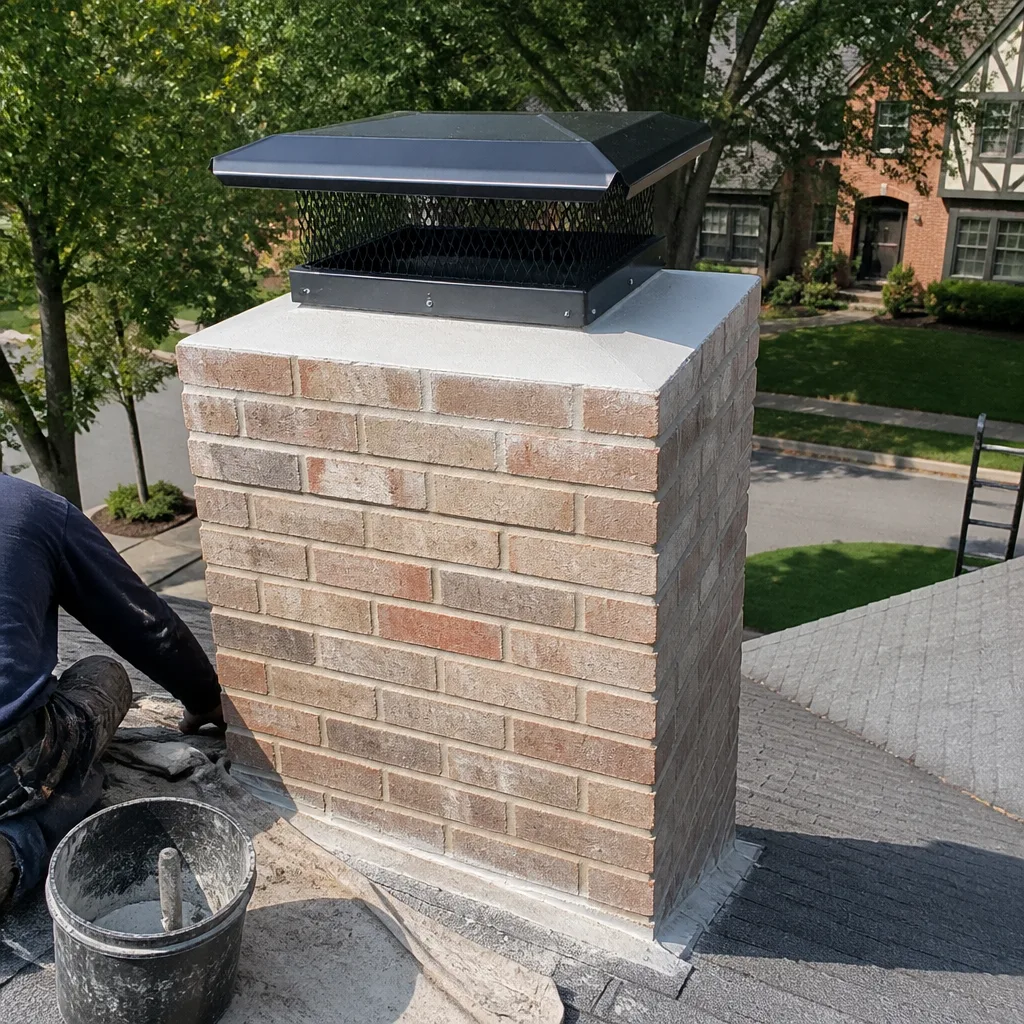
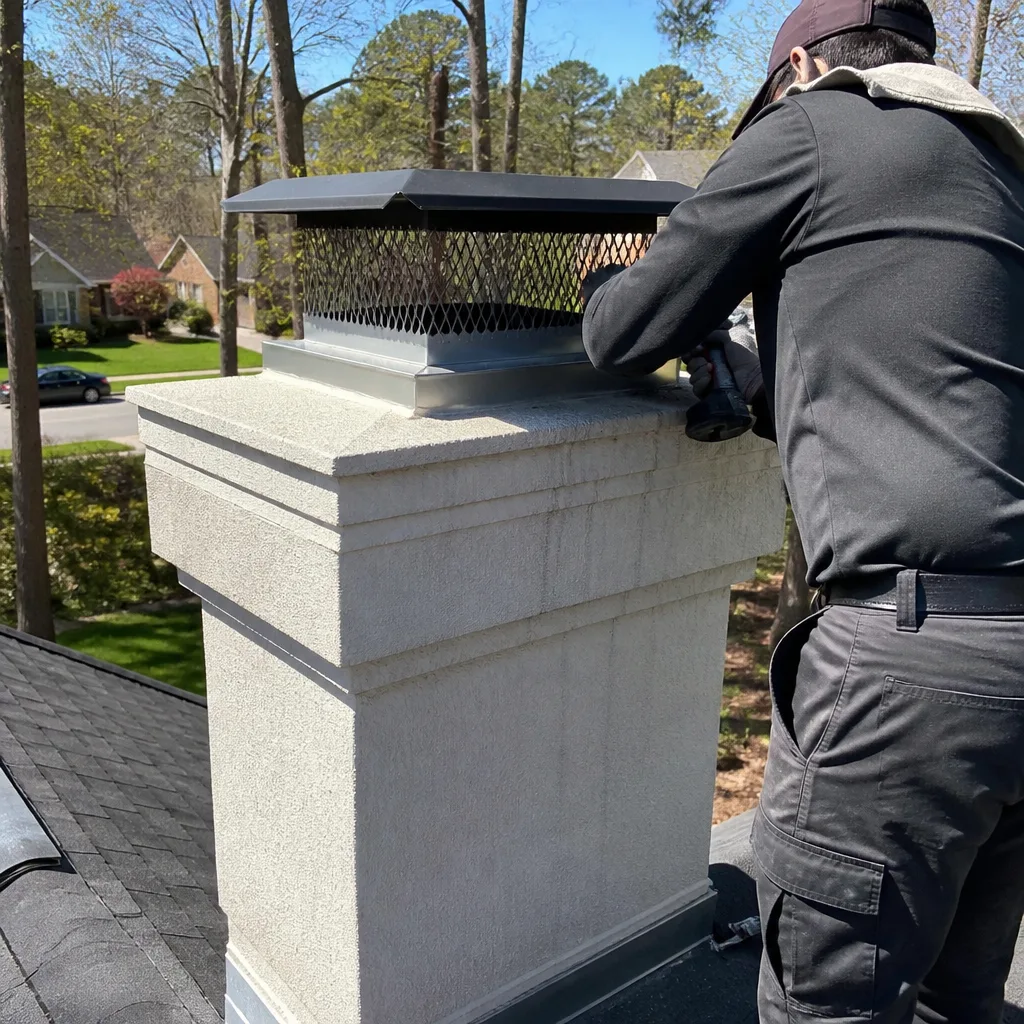
- Chimney cap inspection for rust, looseness, or missing spark arrestor mesh
- Exterior brick and crown check for water intrusion points
At Flint Chimney Co Alpharetta, we start the same way on every sweep: written price before any work begins, and a written guarantee that covers every repair for one full year. If the job is just a cleaning, you know the number before a single tool comes off the truck.
Spring Canopy: Pollen, Debris, and Nest Material in the Flue
Alpharetta is a heavily canopied city. Live oaks, hickories, and pines surround many homes, and in March through May, those trees load the air with pollen and shed material that ends up on roofs and around chimney caps. When a chimney cap is missing or damaged, spring is the season when the flue becomes an open pipe for whatever the trees drop.
Pine straw and small twigs don’t just sit on the cap. Wind works them into the flue opening, and spring rain mats them down. Birds are the bigger variable. Alpharetta has active populations of chimney swifts and starlings from April through August. A chimney without a properly sized cap with intact mesh is an open nesting cavity. A single starling nest can obstruct 40% of a flue’s cross-section, and we’ve pulled nests out of flues in Alpharetta that completely blocked draft.
Chimney swifts are federally protected under the Migratory Bird Treaty Act, which means a nest with eggs or young cannot be removed until the birds leave on their own, typically by late August. That’s another reason the September cleaning window makes sense: if swifts nested in your flue during spring, they’re gone by the time September arrives, and the nest material can be legally removed and the flue cleaned before burn season. For details on the legal framework, see Chimney Cleaning Permits, Codes & Inspections in GA: What You Need to Know.
Spring Owner Checks
- Look at the cap from the ground. Binoculars help. If the mesh is torn, the cap is tilted, or pieces are missing, flag it for replacement before nesting season peaks in May.
- Listen for bird activity. Chirping from inside the chimney in spring is almost always chimney swifts. If you hear it, don’t light a fire and don’t try to smoke them out. Let them fledge and note it for your fall cleaning.
- Check the damper for debris. With a flashlight, open the damper and look up. Loose material sitting on the damper plate after a spring storm means the cap isn’t doing its job.
- Note any water staining around the firebox. Spring rain plus a compromised crown or cap often shows up as dampness or efflorescence on interior brick.
Summer Moisture: What Georgia Humidity Does to an Unused Chimney
Alpharetta’s summer humidity frequently runs above 70%, and an unused chimney spends June, July, and August sitting as a vertical cavity of warm, moist air. That’s a slow-motion problem for masonry.
Brick and mortar are porous. Every summer, moisture in the air finds its way into the brick’s tiny pores and into the mortar joints. At night, when temperatures drop, that moisture condenses inside the flue. Over repeated cycles, this condensation carries dissolved minerals out of the mortar and deposits them on the surface as efflorescence, that white powdery residue you see on brick. That powder is not cosmetic. It means the mortar is losing its binding minerals, and the joints are slowly weakening.
For chimneys with clay tile liners, the summer condensation problem is more direct. Moisture sits on the tile surface, and any existing crack allows it to penetrate deeper into the masonry. Cracked clay tiles that would be a minor issue in a dry climate become a progressive one in Alpharetta because the humidity never really gives the flue a chance to dry out completely.
The practical takeaway: an annual inspection in late summer or early fall catches moisture-related damage before a freeze-thaw cycle in January widens a hairline crack into a structural one. A chimney inspection in Alpharetta that includes a camera run through the flue is the most direct way to know whether summer moisture has done real harm.
Month-by-Month Owner Checklist
Here is a twelve-month schedule built around Alpharetta’s specific seasonal patterns. Items marked Owner are things you can do yourself in ten minutes. Items marked Sweep require professional tools: brushes, cameras, and ladders.
January
- Owner: If you’re burning regularly, check the damper after each fire to make sure it seats fully. An open damper between fires drafts warm air out of the house.
- Owner: Look for smoke entering the room when you first light. A small puff that clears in seconds is normal. Smoke that lingers or pours back means a draft problem.
- Sweep: If you notice a strong campfire-like odor from the fireplace even when not in use, call for an inspection. That odor often signals creosote buildup or a flue obstruction.
February
- Owner: Inspect the firebox brick and mortar for cracks. Winter burning stresses the firebox more than any other component.
- Owner: If you burn manufactured logs, check the box. Many are not designed for use in open fireplaces and produce higher creosote. Use only products labeled for open fireplaces.
March
- Owner: Schedule your late-summer or early-fall sweep now. The best companies in Alpharetta book several weeks out as fall approaches. Booking in March means you get the September window you want.
- Owner: After heavy spring rains, look for water stains on the ceiling near the chimney chase. Internal leaks from a failed flashing often show up first after sustained rain.
April
- Owner: Confirm your chimney cap is secure and intact. April is nesting month for starlings in Alpharetta, and a missing cap is an invitation.
- Owner: If you see birds carrying material near the chimney, don’t approach the nest. Note it for your sweep.
May
- Owner: Close the damper fully if you’re done burning for the season. A closed damper reduces humidity entering the flue from the house.
- Owner: Sweep or brush away any pollen accumulation on the chimney cap area visible from the roof. Don’t get on the roof yourself; this is a ground-visible item.
June
- Owner: With high humidity setting in, check the firebox and hearth for efflorescence, that white powder on brick surfaces. If it’s new since winter, moisture is moving through the masonry.
- Owner: If you have a dehumidifier in the basement or crawlspace, run it. Reducing interior humidity slows condensation inside the flue.
July
- Owner: Look for a musty odor near the fireplace. A damp, stale smell from the chimney in July heat often means creosote deposits from last season are absorbing humidity and off-gassing.
- Sweep: If the odor is strong enough to notice from across the room, call for an inspection. It won’t resolve on its own, and it will intensify when you resume burning.
August
- Owner: Confirm your September sweep appointment. If chimney swifts nested in spring, they’ve fledged by late August and the flue is now clear for legal removal and cleaning.
- Owner: Test the damper operation. Open and close it several times. A stiff or stuck damper now is a cheap fix; in November it’s an urgent one.
September
- Sweep: Have the chimney professionally swept and inspected. This is the optimal window in Alpharetta: after the summer humidity subsides, before the first sustained burns.
- Owner: After the sweep, run a quick test fire with dry hardwood. Confirm the draft pulls smoke upward immediately and the damper seals when closed.
October
- Owner: Burn only seasoned hardwood. In Alpharetta, green wood from spring-felled trees is still too wet to burn cleanly in fall. Wood should be split and stacked under cover for at least six months.
- Owner: Don’t burn pine as a primary fuel. Pine produces heavy creosote when burned at the low, intermittent temperatures typical of Alpharetta’s fall fires.
November
- Owner: With regular burning underway, check the flue opening from the firebox with a flashlight every few weeks. A visible dull black or tar-like coating forming quickly means your fires are burning too cool.
- Owner: Keep the glass doors open if you have them. Glass that’s closed during a fire lowers the effective burn temperature and increases creosote formation.
December
- Owner: If you burn more than three fires per week during the holiday season, schedule a mid-season check for late January. Heavier use than your September sweep assumed may warrant a second look.
- Owner: Never burn wrapping paper, cardboard boxes, or Christmas tree branches. They produce dramatic, fast fires that reach the flue at temperatures masonry liners are not designed to handle repeatedly.
What to Check Yourself vs. What Requires a Camera and Brush
Homeowners in Alpharetta can safely perform a handful of checks that give early warning of chimney problems. But there’s a hard line beyond which you need professional equipment. Understanding that line saves money and prevents false confidence. For additional help, explore our more guides & resources.
Safe Owner Checks
- Visual inspection of the firebox, damper, and hearth for cracks, stains, or debris
- Ground-level check of the chimney cap and crown with binoculars
- Draft check by lighting a small piece of newspaper and watching smoke direction
- Monitoring for unusual odors from the fireplace in all seasons
- Checking for efflorescence or water staining on interior brick
Requires a Professional
- Brushing the flue interior. The creosote you can see from below is a fraction of what’s on the upper flue walls.
- Camera inspection of the flue liner. A Level 2 inspection uses a camera to check for cracks, gaps, and hidden blockages that no flashlight from below can reveal.
- Chimney cap replacement. Getting on the roof safely requires fall protection and experience with the specific cap configuration.
- Flue relining. If the camera shows a compromised clay liner, relining with professional-grade products like DuraFlex or HeatShield is a repair, not a maintenance item, and it must be done to code.
- Smoke chamber parging. The area above the damper where smoke collects is often rough, and smoothing it improves draft and reduces creosote accumulation. This is not a homeowner task.
- Crown repair or replacement. A cracked crown is the primary source of water intrusion into Alpharetta chimneys, and repairing it properly requires specific materials and cure times.
We write every recommendation down before any work starts. If a camera inspection shows a liner issue, you see the evidence yourself, on video, before anyone quotes you a repair. That’s the chimney repair in Alpharetta process we run, and it’s the same process every Garrison Partners location follows under The Garrison Standard.
Common Mistakes to Avoid
- Skipping a year because you didn’t burn much. Alpharetta’s humidity means a flue with light creosote still degrades during summer. Two light seasons can leave more cumulative residue than one heavy season elsewhere.
- Waiting until January to schedule a sweep. By January, the flue has already absorbed a summer of moisture and several months of intermittent fall fires. The damage is done, and you’re waiting in the busy season queue.
- Burning green wood from a tree that fell in your yard. Alpharetta’s climate dries wood slowly. Six months is a minimum, and twelve is better. Green wood smolders, smoldering fires produce creosote, and the cycle reinforces itself.
- Ignoring a damaged chimney cap because it’s “just a cover.” A cap with torn mesh or a missing section is the single most common entry point for birds and debris in Alpharetta’s tree-heavy neighborhoods.
- Assuming a smoke odor in July means nothing. Creosote off-gassing in summer humidity is a warning sign. Ignoring it means going into fall with a dirtier flue than you realize.
- Closing glass doors during a fire to “keep the heat in.” The glass cools the firebox, lowers burn temperature, and increases creosote production. Glass doors are for draft control when the fireplace is not in use.
- Using manufactured fire logs without checking the label. Some compressed logs are designed for wood stoves and produce chemicals that adhere to flue walls differently than wood creosote. Use only products labeled for open masonry fireplaces.
When to Call a Professional
Call for an inspection if you notice smoke entering the room during fires, a persistent campfire odor in any season, visible rust or damage on the cap, water staining on the ceiling or walls near the chimney, or efflorescence that’s new this year. Any of these signals a problem that won’t resolve with normal use, and several of them point to safety issues that affect draft and carbon monoxide venting. If you hear animal activity in the flue, call before you burn and leave the animals alone until you know whether they’re protected by federal law.
Flint Chimney Co Alpharetta offers free estimates in Alpharetta, and every job begins with a written price before any work starts. Call (762) 600-1468 to set up a fall sweep or an inspection.
Frequently Asked Questions
A standard chimney sweep in Alpharetta typically costs between $189 and $329, depending on flue height, the level of creosote buildup, and whether a camera inspection is included. We provide a written price before any work begins, so you’ll know the exact number before a brush touches your flue. Call (762) 600-1468 for a free estimate specific to your chimney.
Most Alpharetta homes should have the chimney swept every 12 months if the fireplace is used at all during the burn season. Homes that burn more than a cord of wood per season or that burn green or manufactured wood should consider every 9 to 12 months. A camera inspection during the sweep tells you whether your actual buildup rate calls for a different interval.
Not always. Hairline cracks in clay tile that don’t extend through the tile body and don’t create a path to the masonry may not require relining. The decision depends on what the camera shows, how deep the damage goes, and the overall condition of the surrounding flue. We never recommend a liner replacement without showing you the video evidence ourselves. If relining is needed, we use professional-grade products like DuraFlex or HeatShield, and every repair carries a written one-year guarantee.
In Alpharetta’s humid climate, a skipped year often means creosote from two seasons of light use is now layered and compacted, which makes it harder to remove and more likely to ignite. Moisture has also had double the time to work into any existing masonry damage. The result is usually a more expensive sweep and a higher likelihood that minor issues become repairs. Call (762) 600-1468 to schedule a sweep and avoid compounding problems.
Yes. A properly fitted cap with intact spark arrestor mesh prevents birds, bats, rain, pine straw, and pollen from entering the flue. Given Alpharetta’s tree canopy and chimney swift population, a missing or damaged cap is the fastest way to end up with a blocked flue or a nest you can’t legally remove until the birds fledge.
Every repair we perform carries a written 365-Day Done Right Promise. If a covered repair fails within one year, we return at no charge and make it right. Every job, sweeping included, gets a written price before work begins. We accept standard payment methods and never change the approved number at the door. Call (762) 600-1468 to ask about your specific chimney and schedule a free estimate.
The Bottom Line
Alpharetta’s climate demands a chimney schedule that respects humidity as much as burn frequency. The optimal cleaning window is late September, before sustained burning begins. Spring and summer are not idle months for your chimney; they’re when moisture, pollen, and birds do their work, setting up what your fall sweep finds. A yearly sweep and inspection, with the right materials and a written guarantee behind every repair, keeps the fireplace safe and ready for the nights when you actually want it. That’s the rhythm that works for Alpharetta, and it’s the one we follow at Flint Chimney Co Alpharetta.
Written by Hank Delano, Owner at Flint Chimney Co Alpharetta, serving Alpharetta since 2002.
See the difference
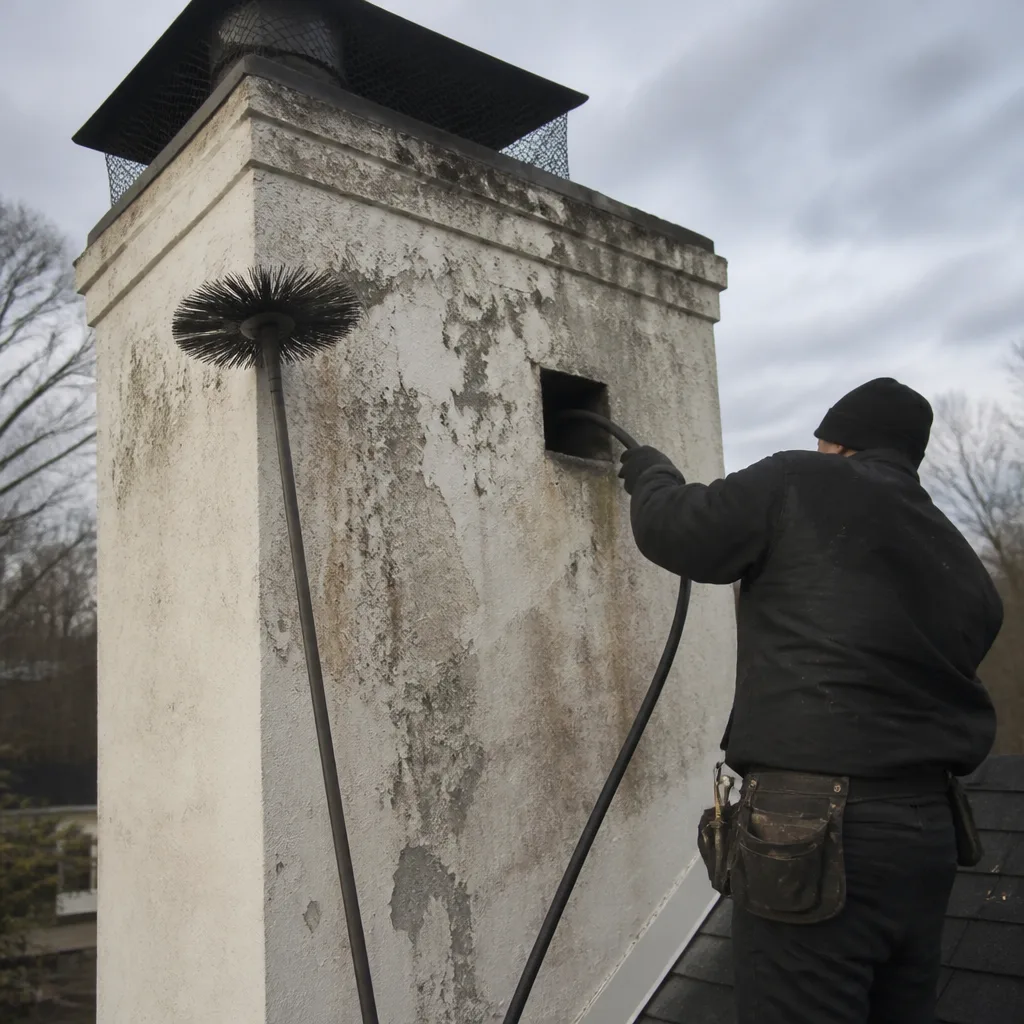 Before
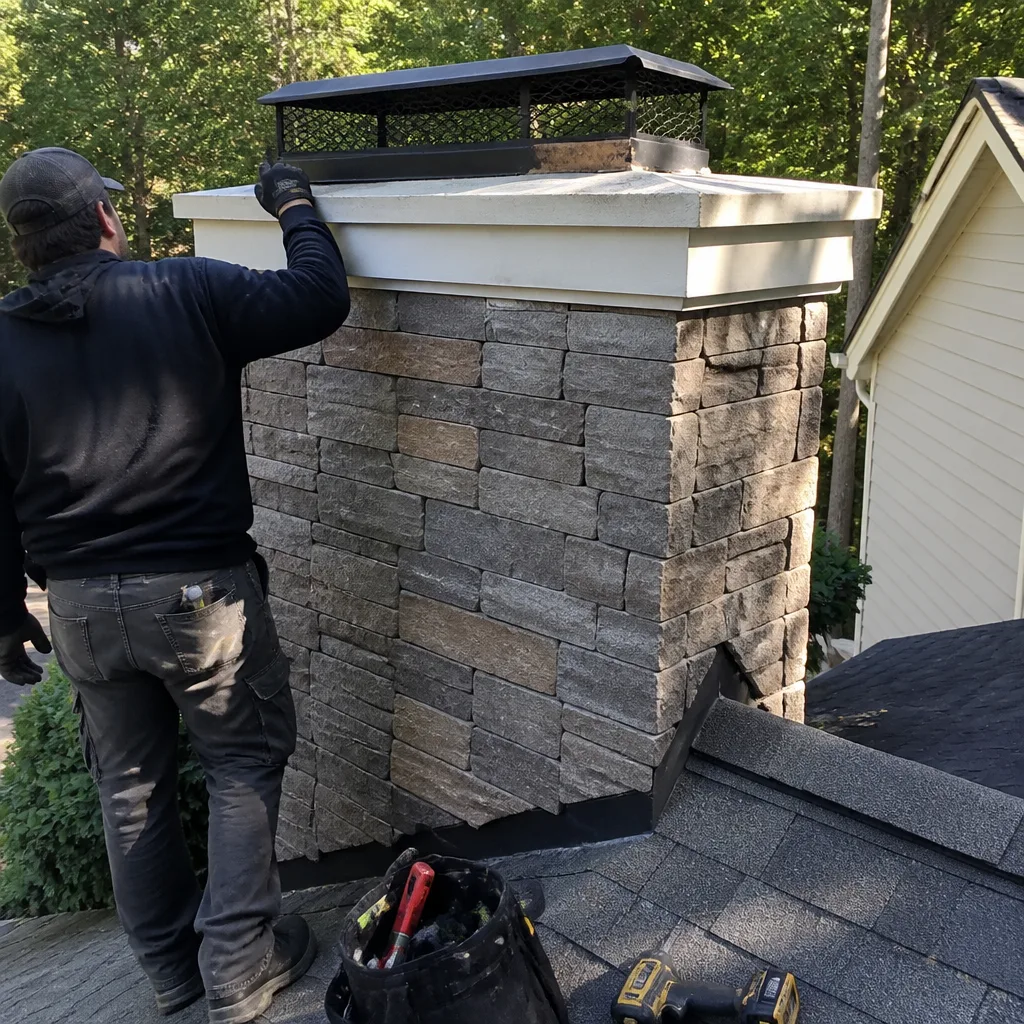 After
After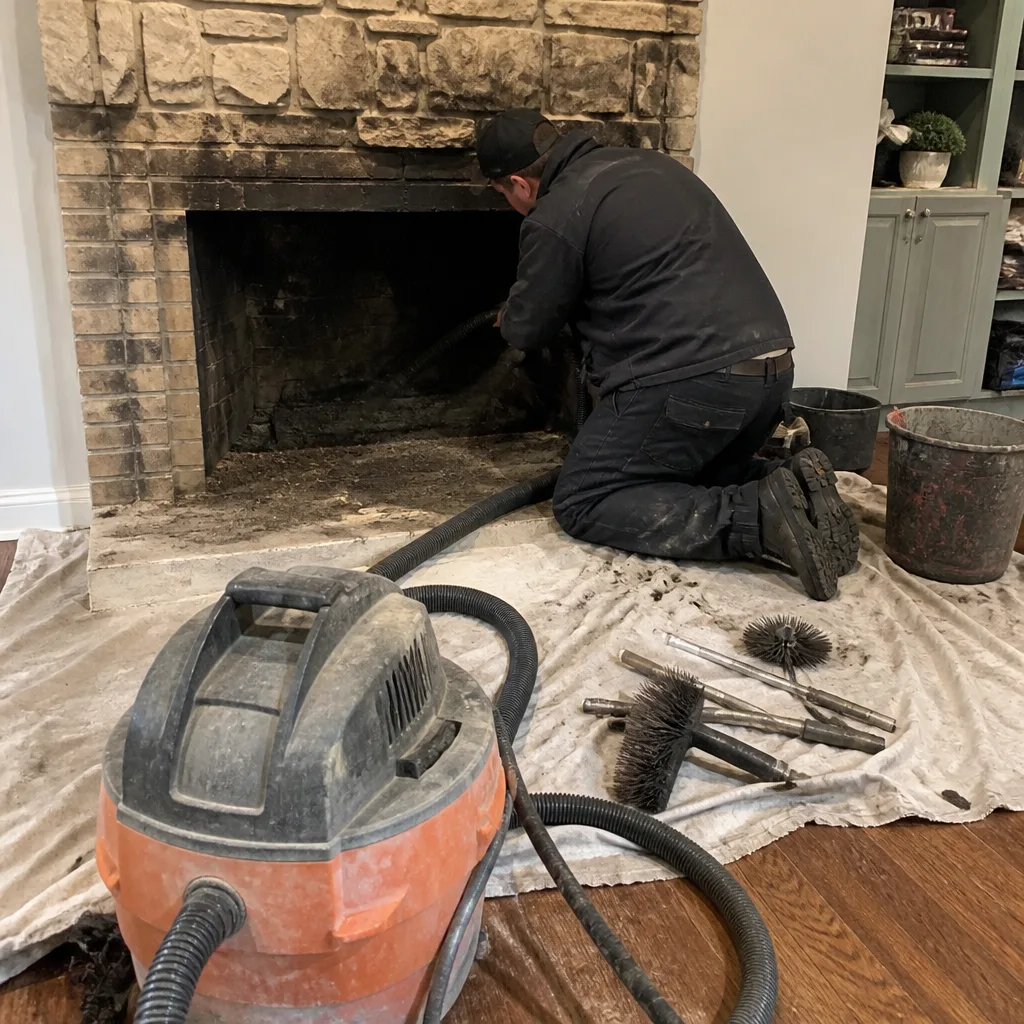 Before
 After
After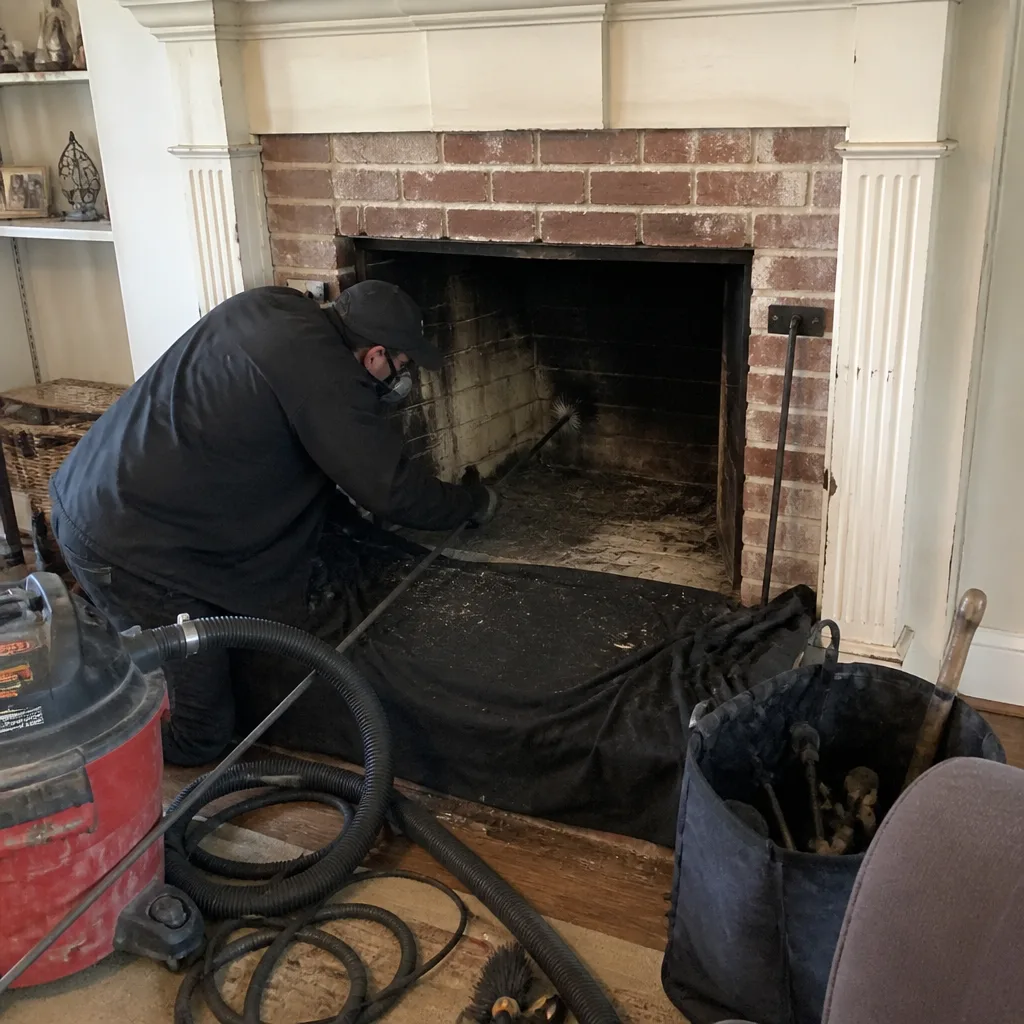 Before
 After
After