
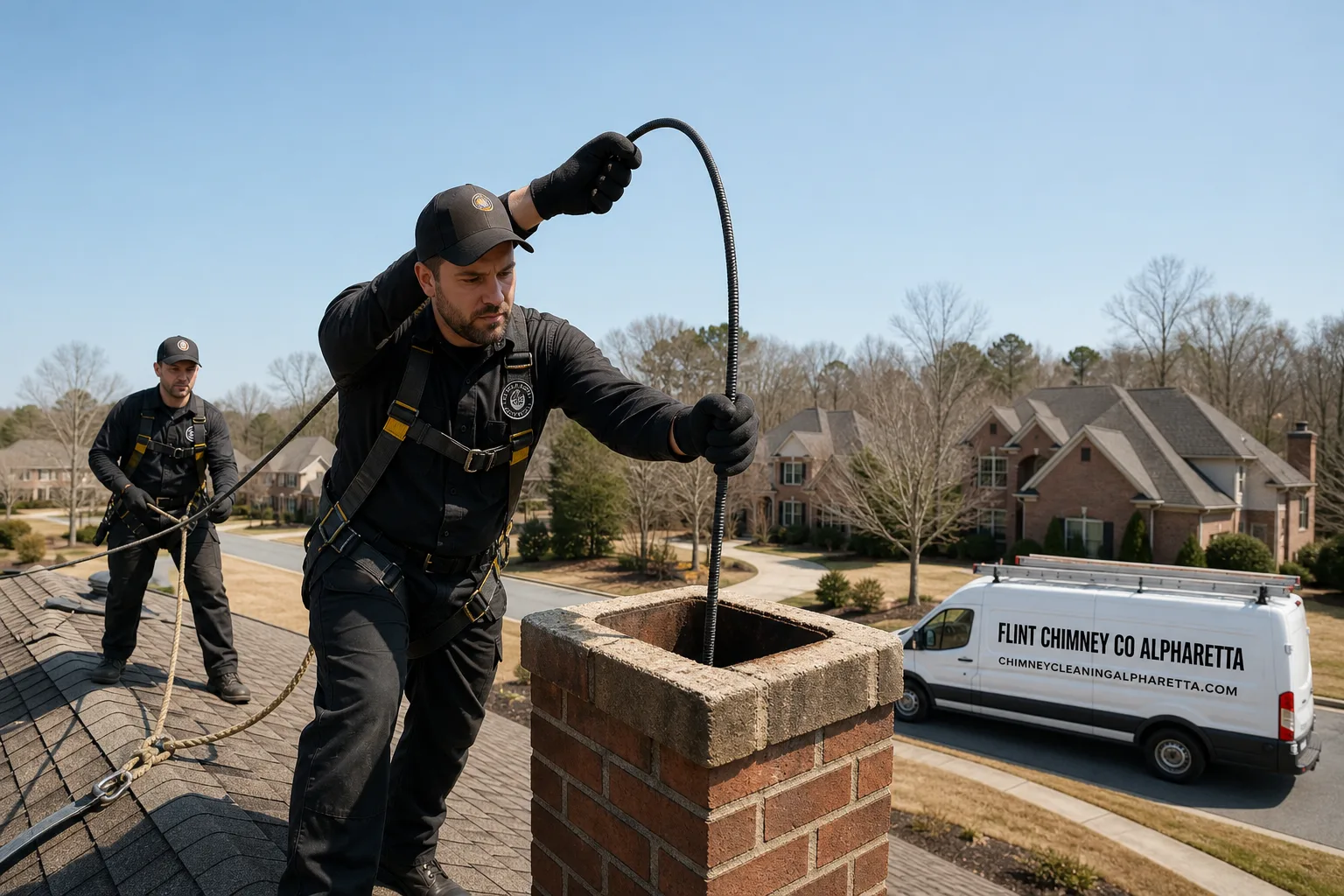
 Sweep & inspection
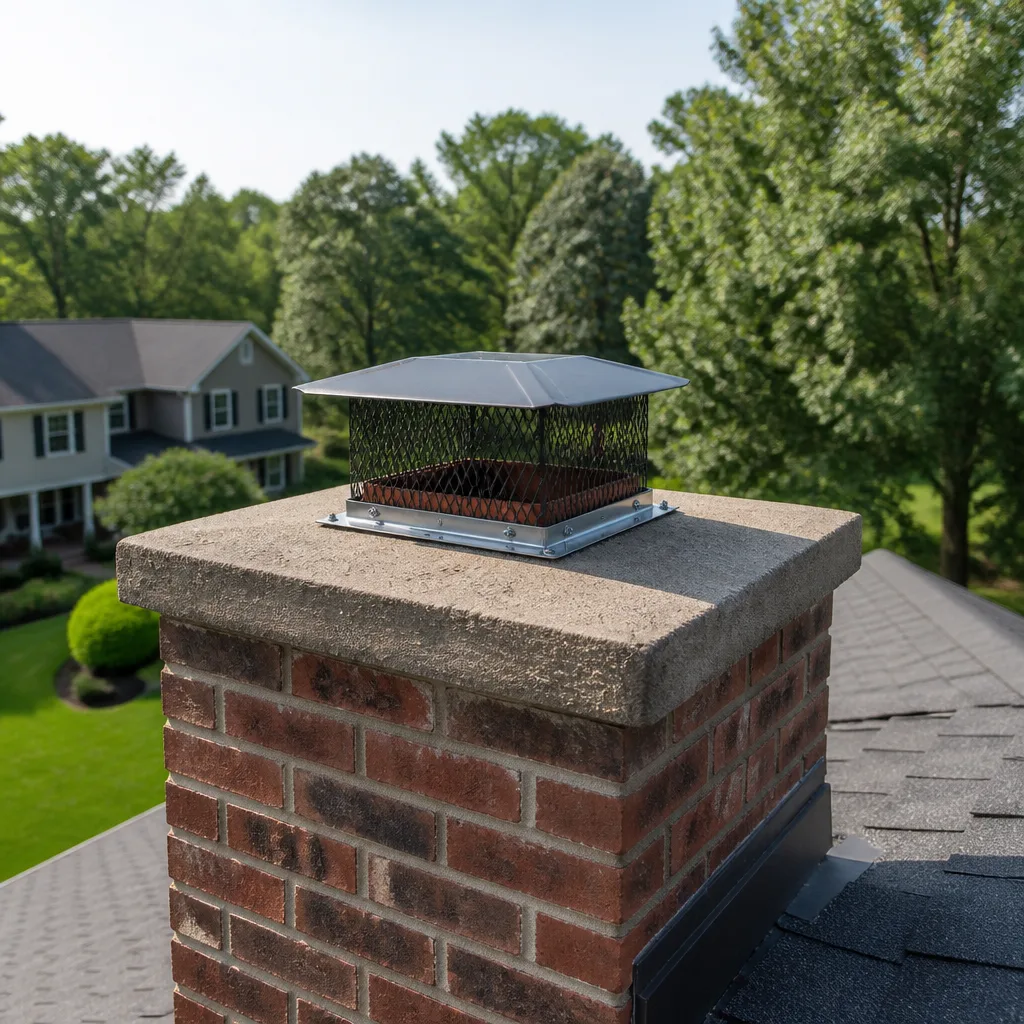
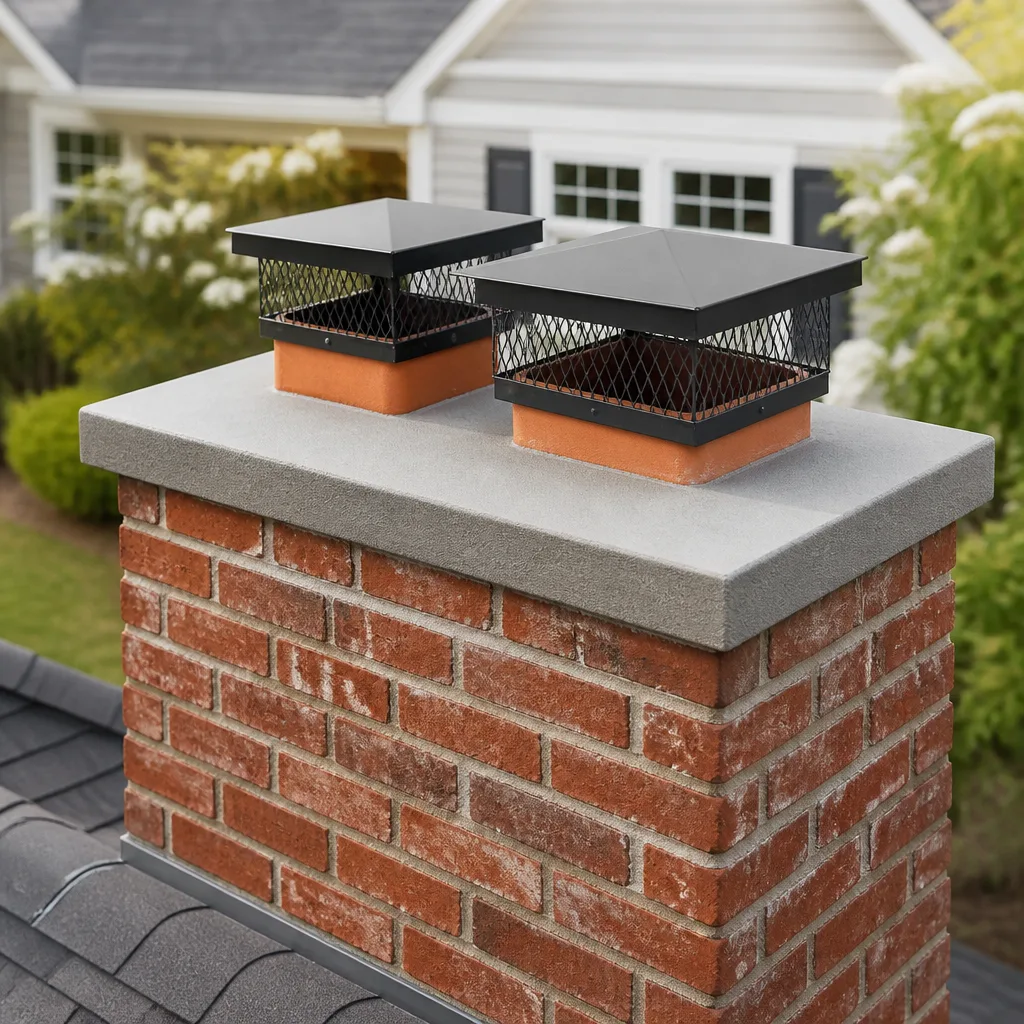 Caps & crowns
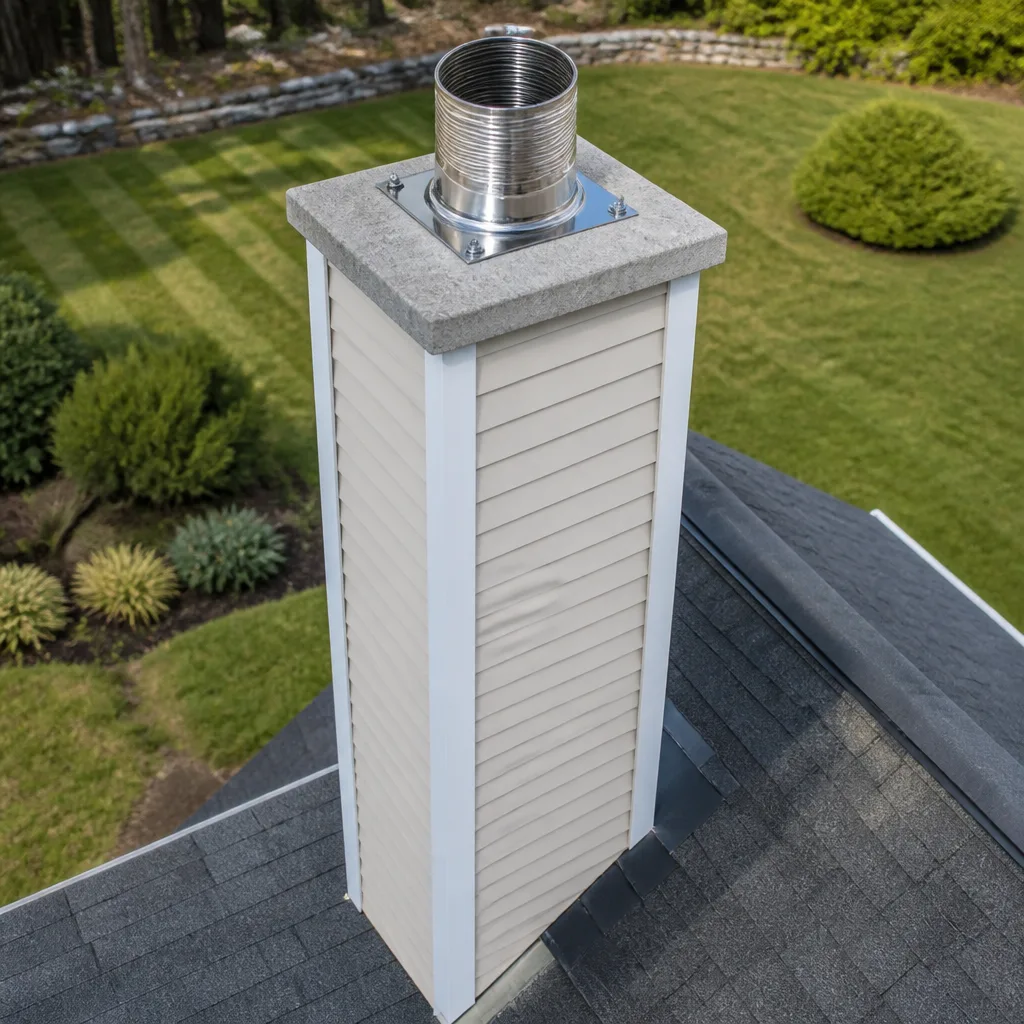 Flue relining
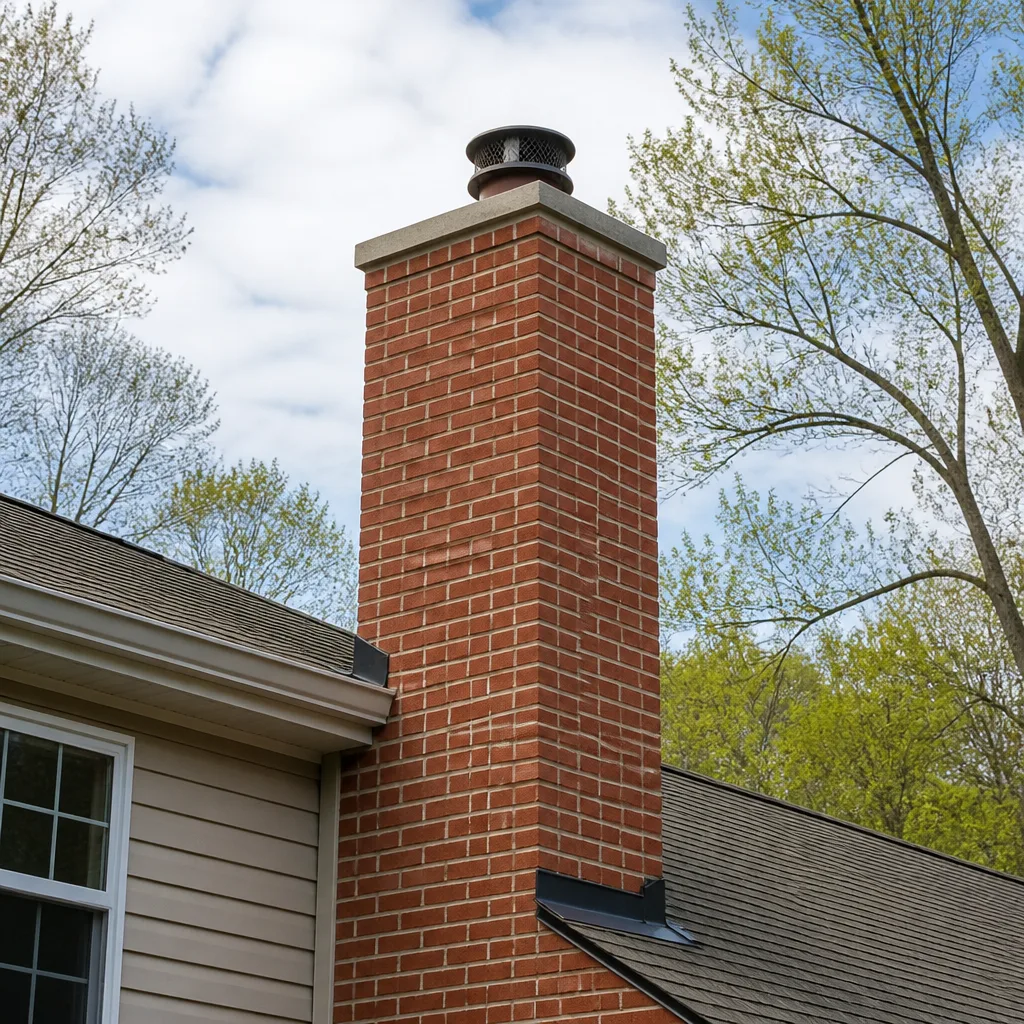 Masonry repair
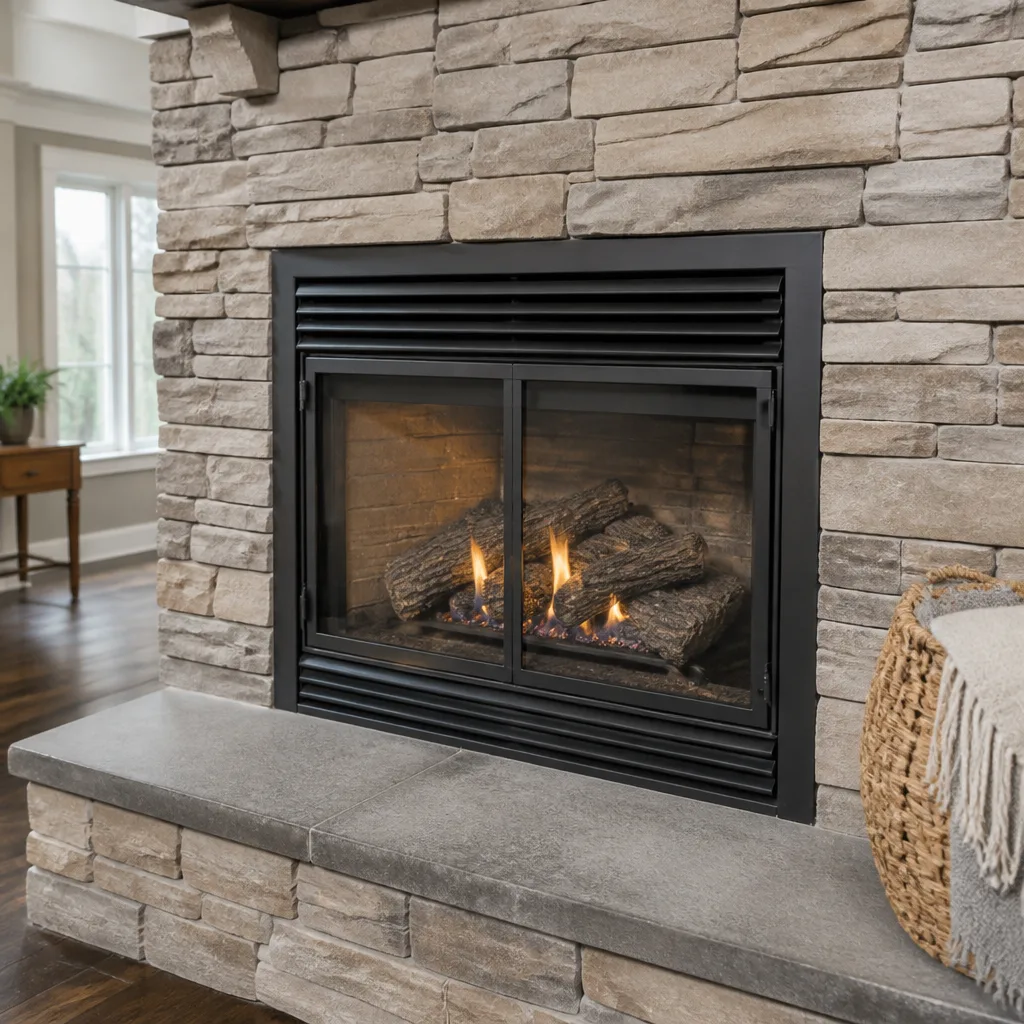 Gas fireplace service
Level 1 sweep and inspection to the NFPA 211 annual standard - flue, crown, cap, and flashing checked and photographed
Chimney sweep logs do not sweep chimneys. They loosen some creosote - which then falls where a brush and vacuum still have to collect it.
Fast, Reliable Chimney Inspection Across Stone Mountain
A chimney inspection in Stone Mountain typically runs $189 – $279 for a standard Level 1, and $289 – $479 for a Level 2 camera inspection. Most inspections we schedule in Stone Mountain are completed inside a single visit, usually 45 – 90 minutes depending on chimney type and flue count. If you live in a 1960s – 1980s home near Rockbridge Road, Smoke Rise, or the Village, the odds are high your chimney has clay tile liners and mortar that predates modern fire codes. That’s exactly the housing stock we know best. Call (762) 600-1468 and we’ll give you a written price before the truck rolls.
Stone Mountain’s climate does not do favors to masonry. The granite dome catches weather that rolls in from the west, and the humidity that sits over DeKalb County for six months a year works its way into brick and mortar at the molecular level. Acidic rain eats at lime-based mortar. Summer thunderstorms soak the crown, and when a January freeze follows, water trapped in the crown expands and cracks it open. It’s a cycle. The chimneys that suffer most are the original masonry stacks on ranch homes and split-levels built between the 1950s and 1980s. We inspect those every week.
Why Flint Chimney Co Alpharetta Is Stone Mountain’s Preferred Chimney Inspection Company
Our technicians know Stone Mountain’s housing stock because they drive it daily, not because they read about it. A 1964 ranch off South Hairston Road has different chimney problems than a 1983 four-bedroom in Smoke Rise. We know which builders used single-flue masonry stacks, which subdivisions have brick veneer over wood framing, and which streets have chimneys with multiple flues from retrofitted gas appliances. That local familiarity means we look at the right things the first time.
Every inspection we perform follows the National Fire Protection Association (NFPA) 211 standard, and every inspector dispatches background-checked and uniformed from our Atlanta office. Nobody walks into your Stone Mountain home without identification and a clearly defined scope of work. We put the price in writing before any tool comes off the truck, and that number is the number you pay. No “discoveries” that magically double the job when we’re halfway up the flue.
Hank Delano leads our team under the Garrison Standard, the operating code followed by every Garrison Partners location. That code is simple: document everything, price everything up front, and stand behind every repair for a full year in writing. It’s why homeowners in Stone Mountain call us after another company handed them a verbal quote and a shrug.
We also carry professional-grade inspection equipment matched to Stone Mountain’s older chimneys. Our camera systems can navigate the unusual flue sizes we see in Smoke Rise without getting stuck, and our moisture testing tells us whether a wall stain is active or just cosmetic. If we can’t see it, we don’t guess. We show you.
Styles & brands we work with
Level 2 Chimney Inspection in Stone Mountain
Level 2 Chimney Inspection in Stone Mountain is the standard we recommend for nearly every home built before 1990 in this area, and it typically runs $289 – $479 depending on flue count, access, and whether the chimney is a single stack or a multi-flue Smoke Rise original. A Level 2 goes beyond the visual sweep of a Level 1. It includes camera inspection of the full flue length, the smoke chamber, the damper area, the crown from above, and accessible attic clearances. Stone Mountain homeowners who have never had a camera inspection done on an older chimney are often surprised by what the footage shows: cracked clay tiles, spalling brick hidden behind the veneer, or a builder’s gap that has been drafting into the attic since the Johnson administration.
When a Level 2 is required
Any time a property changes hands in Stone Mountain, a Level 2 inspection is what real estate transactions call for under NFPA 211. If you’ve had a chimney fire, a lightning strike, an earthquake tremor, or any appliance change, such as venting a new water heater into the old stack, a Level 2 is the only way to know if the flue can handle it. After the storms and freeze-thaw cycles we get here, even a chimney that looked fine two years ago can develop hairline cracks that widen under heat.
Camera inspection without the sales pitch
Here’s the thing Stone Mountain homeowners tell us constantly: another company told them they needed a new liner, quoted them four grand, and never showed them a single image. That is not how we work. Our camera inspection produces footage you watch on our monitor, live, while we point to exactly what we’re seeing. If the flue is clean and the mortar joints are intact, we’ll tell you it can wait. If there’s a crack, you’ll see it with your own eyes before we discuss repair options. No photograph, no recommendation. That’s the rule.
Chimney Leak in Stone Mountain
Chimney Leak problems in Stone Mountain are the number one issue we trace back to acidic rain, high humidity, and the freeze-thaw cycle that breaks down crowns and mortar on older homes. A leak investigation typically runs $229 – $349 as a standalone service call, and that includes water tracing, crown inspection, flashing inspection, and camera review of the upper flue. Most Stone Mountain leak calls are not the flashing, even though flashing is what every homeowner assumes. The real culprit is usually a cracked crown or deteriorated mortar joints that have been letting water wick into the brick for years.
Where Stone Mountain leaks actually start
The granite-adjacent neighborhoods in Stone Mountain get more weather exposure than you’d expect, especially on west-facing chimney faces that catch prevailing storm lines. Water gets into the crown through hairline cracks, freezes overnight, expands, and cracks it wider. The same water then runs down the interior and dissolves soft mortar along the way. We use moisture readings and camera review to find the true entry point, not just the stain on your living room ceiling. Fixing flashing when the crown is cracked is a waste of money.
Spalling brick and what it means
Spalling is the term for brick faces flaking off or crumbling, and it’s everywhere in Stone Mountain’s 1960s – 1980s housing stock. Acidic rain dissolves the lime in old mortar, and the brick retains water longer than it should. Once the face of a brick pops off, water enters faster. If a leak has been running for more than a season, we often find spalling hidden behind the chimney chase or in the attic, places a homeowner never sees and a lazy inspector never checks. Our leak inspections include the attic and roofline. Always.
Trusted Brands We Service in Stone Mountain
When a Stone Mountain chimney needs repair, we install and service components from brands we’re willing to put our name next to: Famco caps and dampers, Gelco chase covers, and Copperfield flashing systems. These are not off-the-shelf budget parts; they’re specified by job, measured to fit, and ordered for your specific flue size. That matters in Smoke Rise, where custom-sized flues mean a big-box cap often leaves a half-inch gap that leaks from day one. We keep common components staged with our Atlanta office, which means most Stone Mountain repairs can be scheduled the same week the inspection identifies the problem.
See the difference
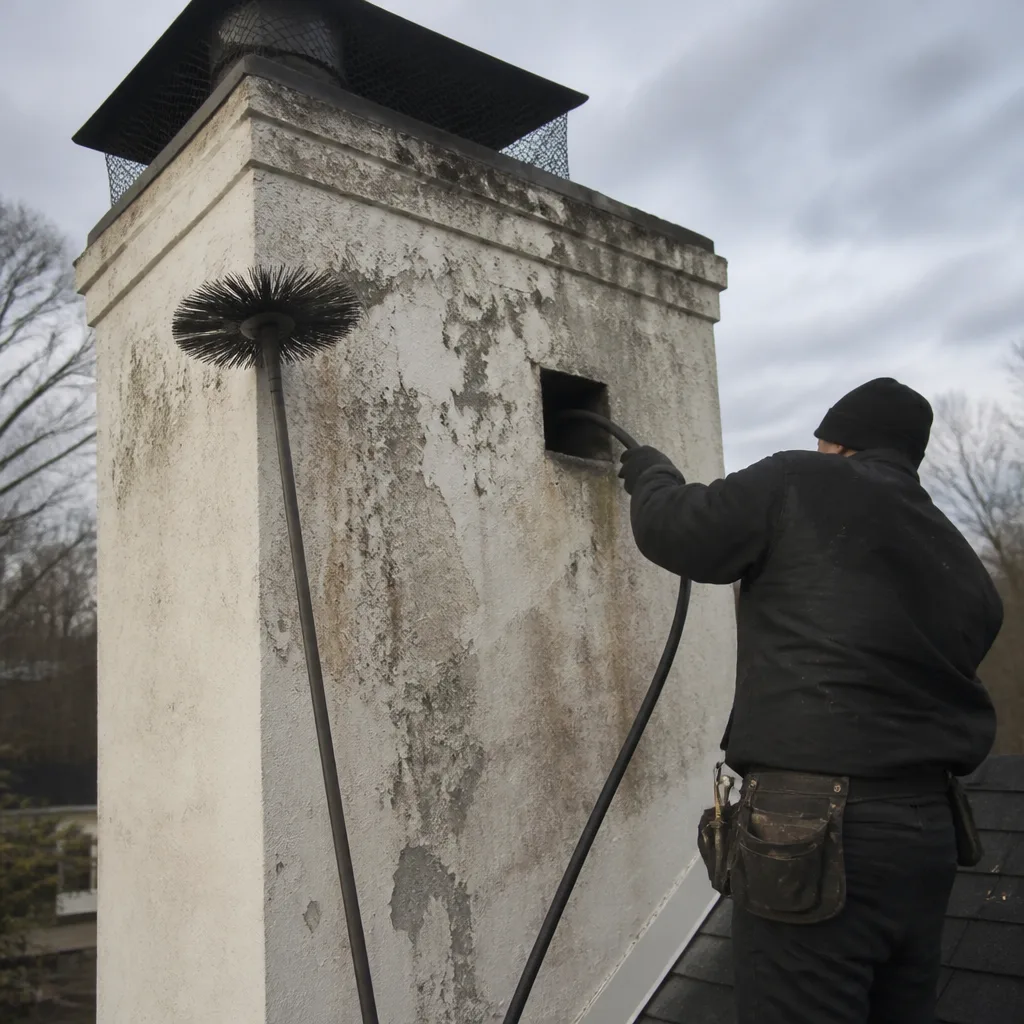 Before
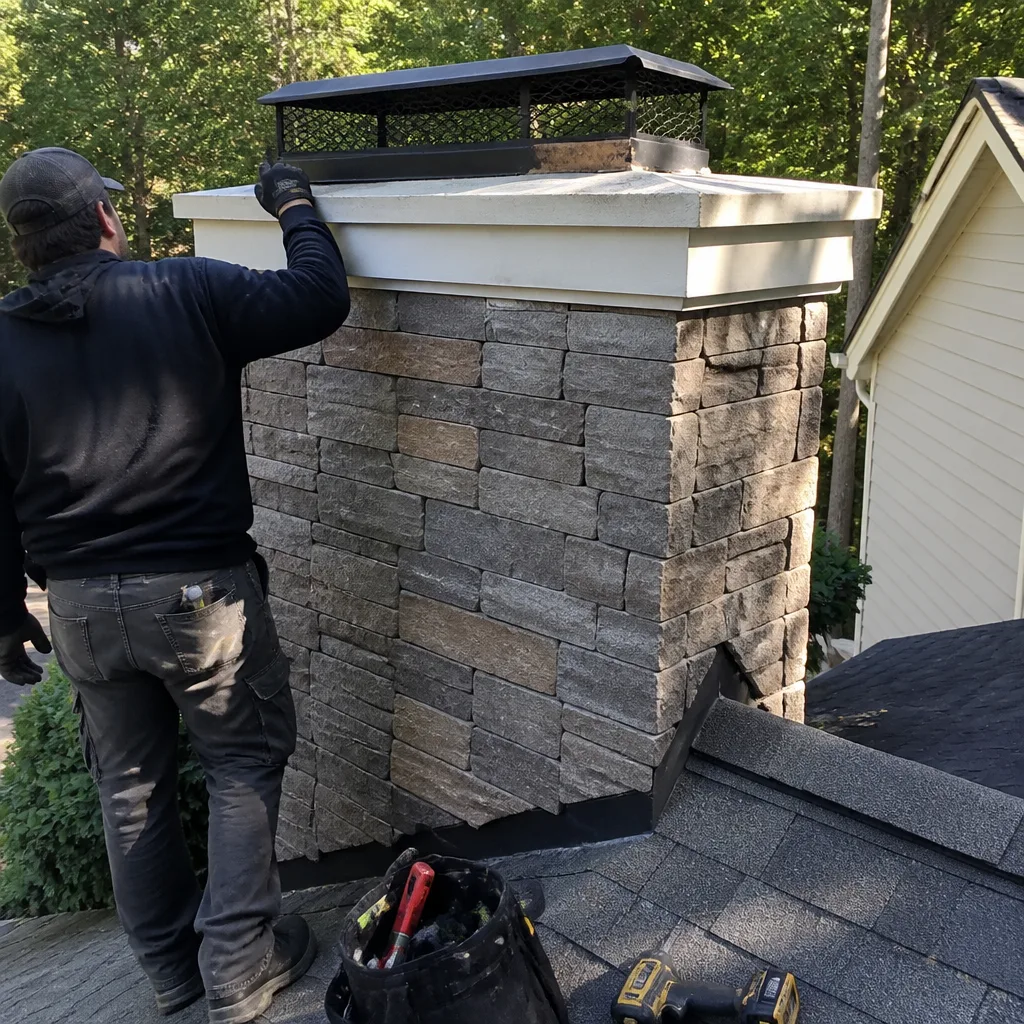 After
After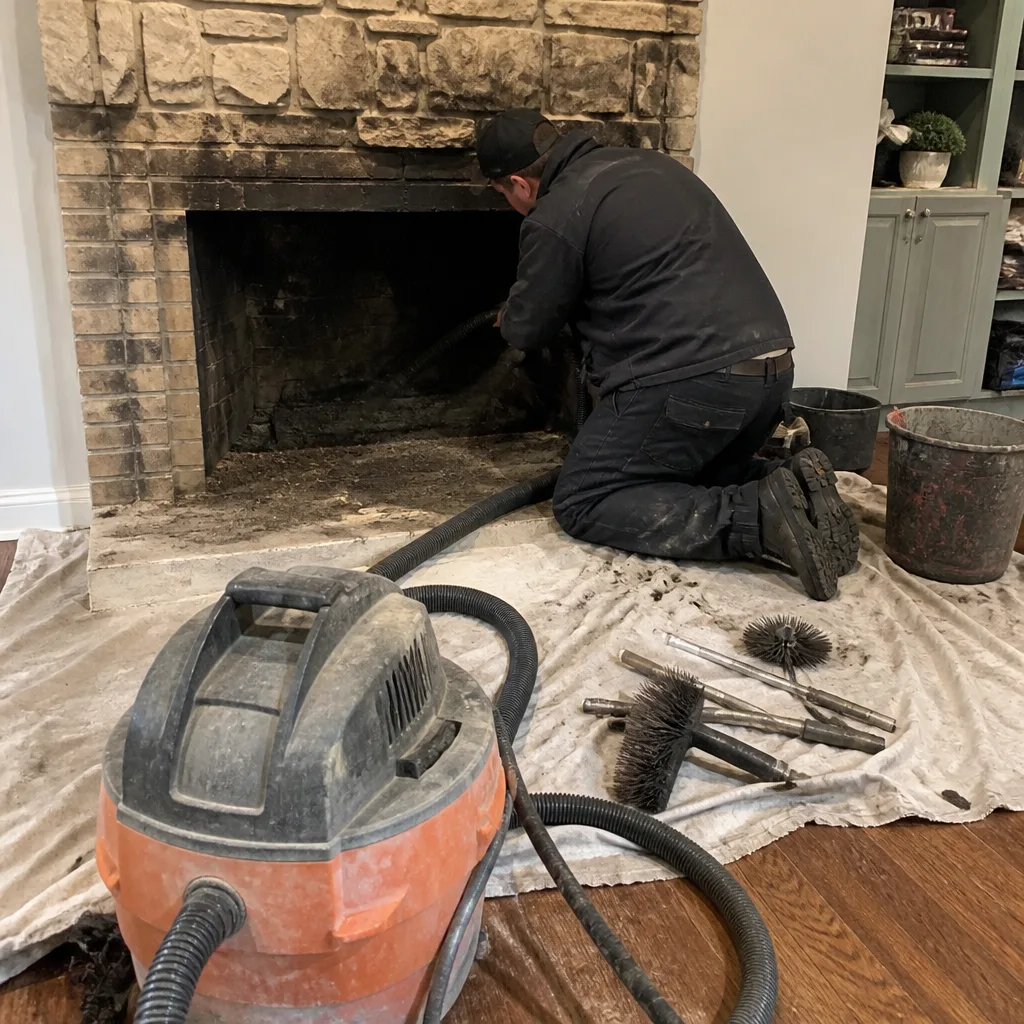 Before
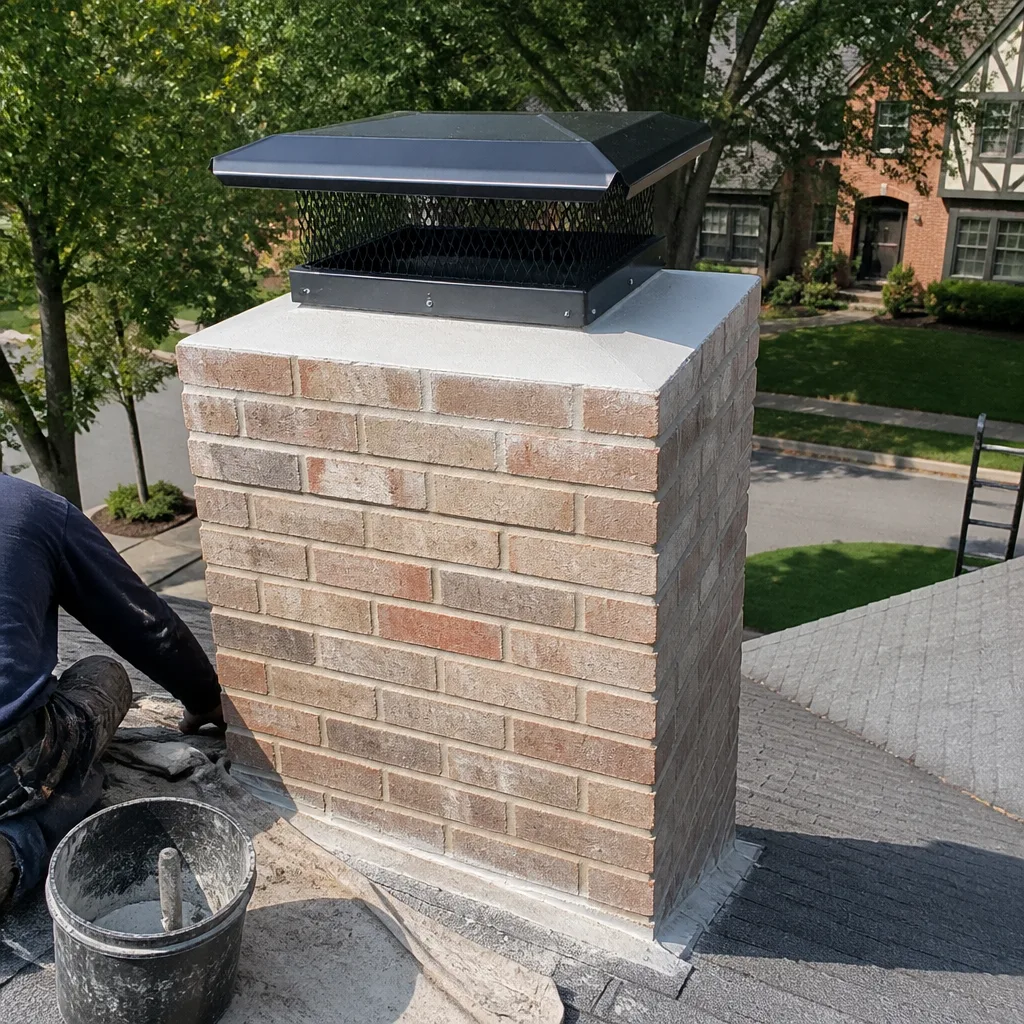 After
After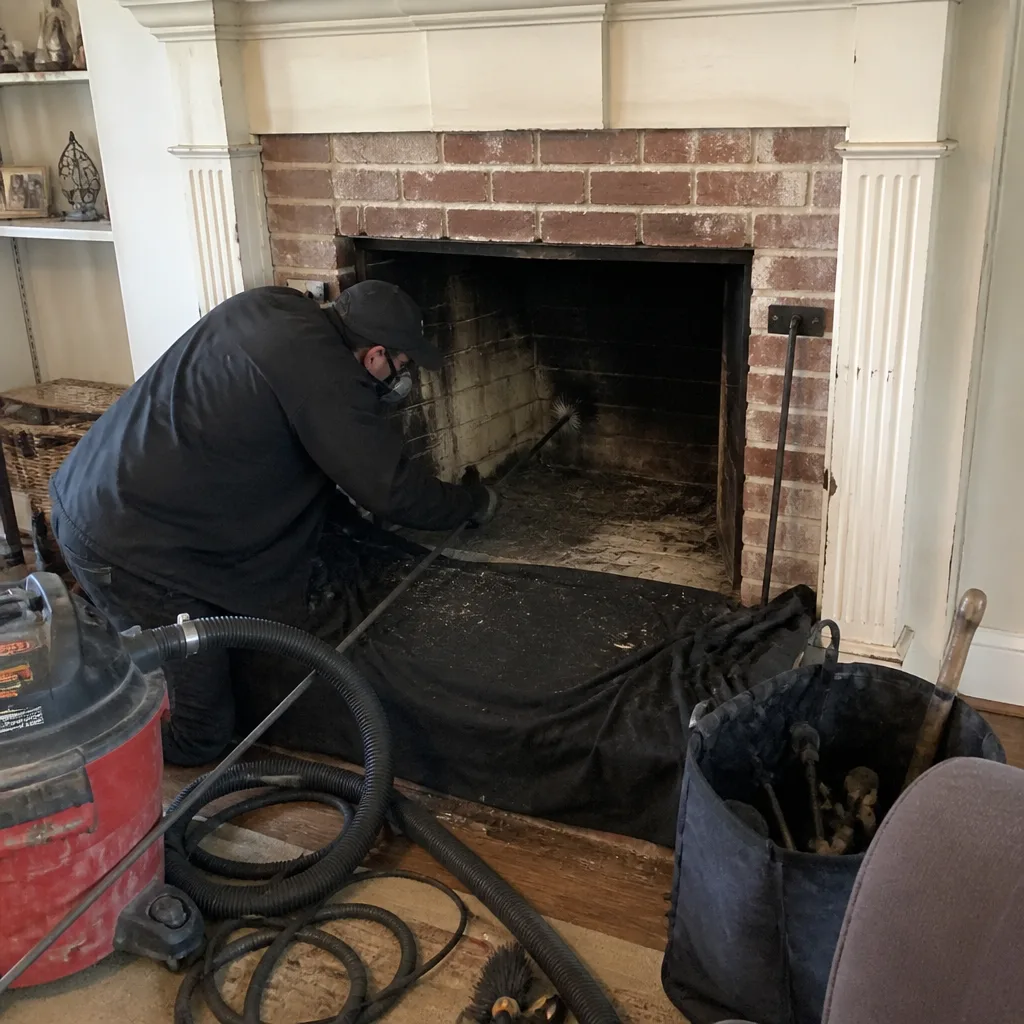 Before
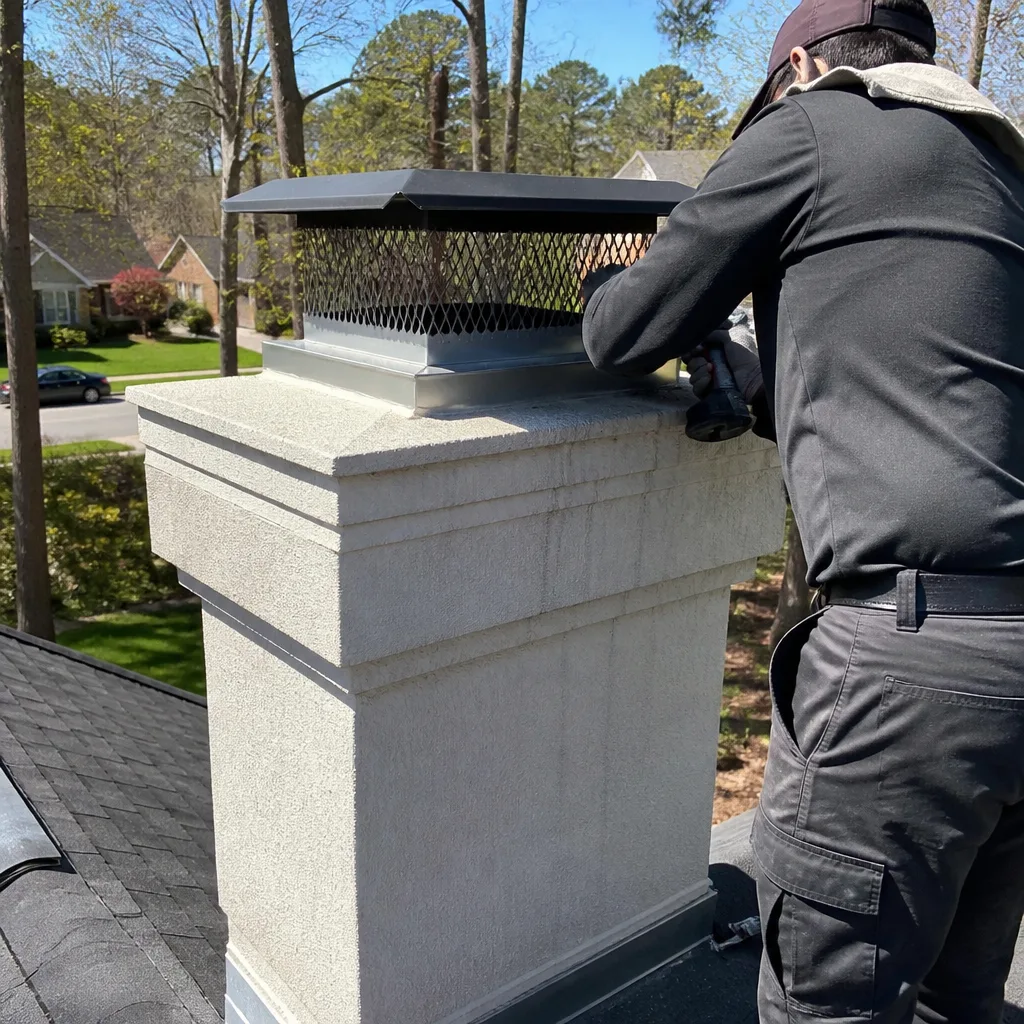 After
AfterCommon Chimney Inspection Problems We See in Stone Mountain Homes
- Hidden spalling behind brick veneer. Most 1960s – 1980s Stone Mountain homes have brick veneer over wood framing, and the bricks facing the attic or hidden behind the roofline spall first. A visual-only inspection from below misses it entirely, which is why we camera and physically inspect the full exterior stack.
- Cracked clay tile flue liners. The original clay tiles in these older Stone Mountain chimneys were rated for wood-only, high-temperature use. Decades of heating cycles, water intrusion, and occasional chimney fires crack them. A cracked liner vents into wall cavities and attic spaces, not just up and out.
- Appliances vented into chimneys not designed for them. When a gas furnace or water heater vents into an old masonry flue, the lower temperature exhaust causes condensation that soaks the masonry from the inside. That creosote and acidic slurry eats at mortar and creates a draft reversal risk. A Level 2 inspection with a camera is the only way to see this happening.
- Missing or failed mortar crowns. The crown is the concrete cap at the top of the chimney, and on Stone Mountain homes built before crown code updates, they were often poured too thin and too flat. Freeze-thaw cycles crack them, water seeps in, and the whole system degrades from the top down. Our inspections always check crown integrity from above, not just the flue from below.
Pricing for Chimney Inspection in Stone Mountain, GA
We Also Serve Cities Near Stone Mountain
Beyond Stone Mountain, our teams regularly serve Lawrenceville, Norcross, Duluth, and Roswell with the same written-pricing and camera-evidence standard. If you’re in one of those cities and have an older masonry chimney, our Chimney Inspection team can usually schedule within the same week. Read more about what we do across the broader Stone Mountain service area, or just call (762) 600-1468 and tell us what you’re seeing.
Serving Stone Mountain, GA - Our Local Coverage Area
We’re based in the Stone Mountain area and know this community well. Use the map below to see our service coverage - if you’re nearby, we can almost certainly help.
FAQs About Chimney Inspection in Stone Mountain
Yes, and for a specific reason tied to how these Stone Mountain homes were built. The clay tile liners and lime-based mortar used in 1960s – 1980s construction have shorter effective lifespans than modern stainless steel liners, especially under the acidic rain and humidity of the DeKalb County climate. If your Stone Mountain home has never had a camera inspection, schedule one now, particularly if you’ve changed appliances or had any water staining. The cost is $289 – $479, and it gives us documented baseline footage we can compare against future inspections. Call (762) 600-1468 to book.
You don’t, and you shouldn’t. Third-degree creosote is a glazed, tar-like coating that cannot be visually confirmed from the fireplace opening, and any company that claims to see it without a camera inside the flue is guessing. Our Level 2 inspection in Stone Mountain includes camera footage of the flue interior, and if creosote is present, you’ll see the glaze on our screen. We document it with still images and note the thickness so you can make a decision based on evidence. Then call (762) 600-1468 and we’ll walk you through exactly what the footage shows.
Flashing failure is rarely the first cause of a Stone Mountain chimney leak, even though it’s the first thing homeowners check. The real entry points are cracked crowns, deteriorated mortar joints, and spalling brick hidden above the roofline, all of which are driven by the area’s acidic rain and freeze-thaw cycles. Water enters above the flashing line and travels down inside the masonry before it shows up as a stain on your ceiling. Our leak inspections in Stone Mountain include crown inspection from the roof and water tracing with a moisture meter, which costs $229 – $349. Call (762) 600-1468 to get it diagnosed properly.
No, and this is one of the most common code violations we find in Stone Mountain homes built between the 1950s and 1980s. A masonry chimney originally built for wood burning is often too large for newer gas or electric appliance exhaust, and venting a dryer or water heater into it causes condensation, acidic slurry buildup, and draft reversal. The exhaust cools too fast, which means it doesn’t rise and vent properly, it sits in the flue and damages the masonry, and in the worst case carbon monoxide backs into the house. A Level 2 camera inspection shows whether your chimney is safe for what’s currently vented into it. Call (762) 600-1468 to have us check it.
Smoke Rise chimneys are harder because they were built differently. The neighborhood’s 1970s and 1980s homes have larger, older chimneys with multiple flues, often sized for wood-burning fireplaces that are no longer used, with unusual flue dimensions we don’t see in Decatur or Tucker. Off-the-shelf caps and dampers won’t seal them, and a standard camera head may not navigate a flue that deviates from standard sizing. In Smoke Rise, our techs inspected a 1970s split-level with a clay-tile flue cracked near the smoke chamber, showed the homeowner the spalling and missing mortar on our camera, and quoted a HeatShield resurfacing with a custom Famco cap measured to the exact flue size. Repairs were done the same week. That’s the kind of specificity Smoke Rise chimneys demand. Call (762) 600-1468 to book your inspection.
Written by Hank Delano, Owner at Flint Chimney Co Alpharetta, serving Stone Mountain and the surrounding DeKalb County area since 2002.